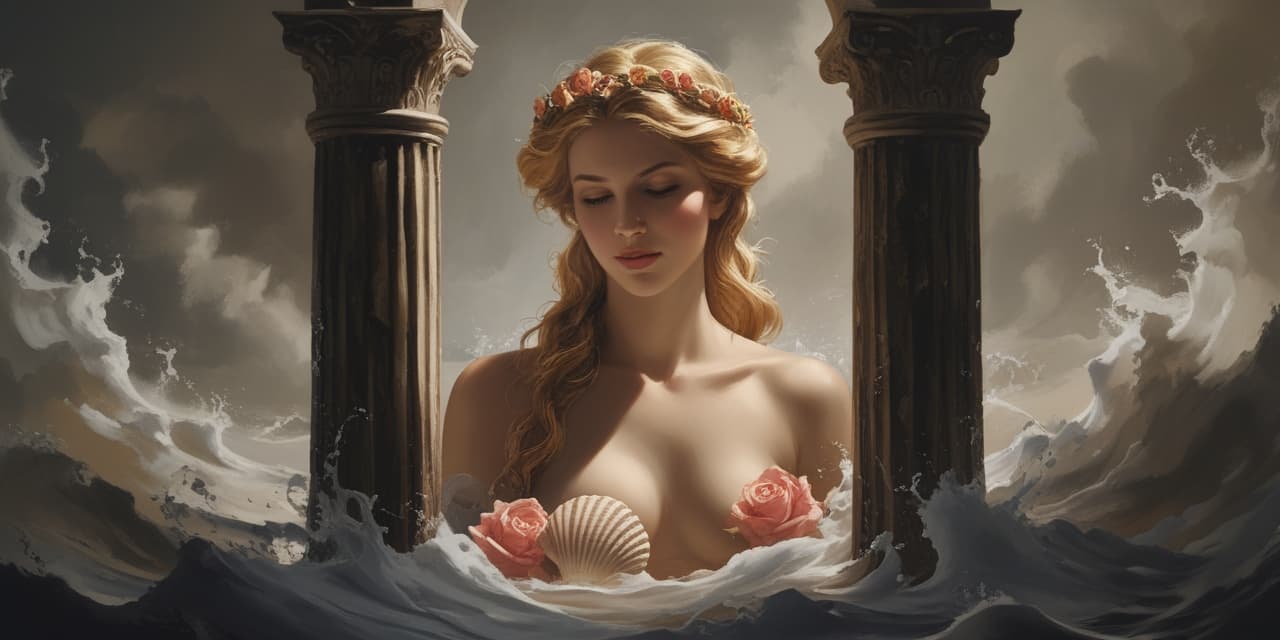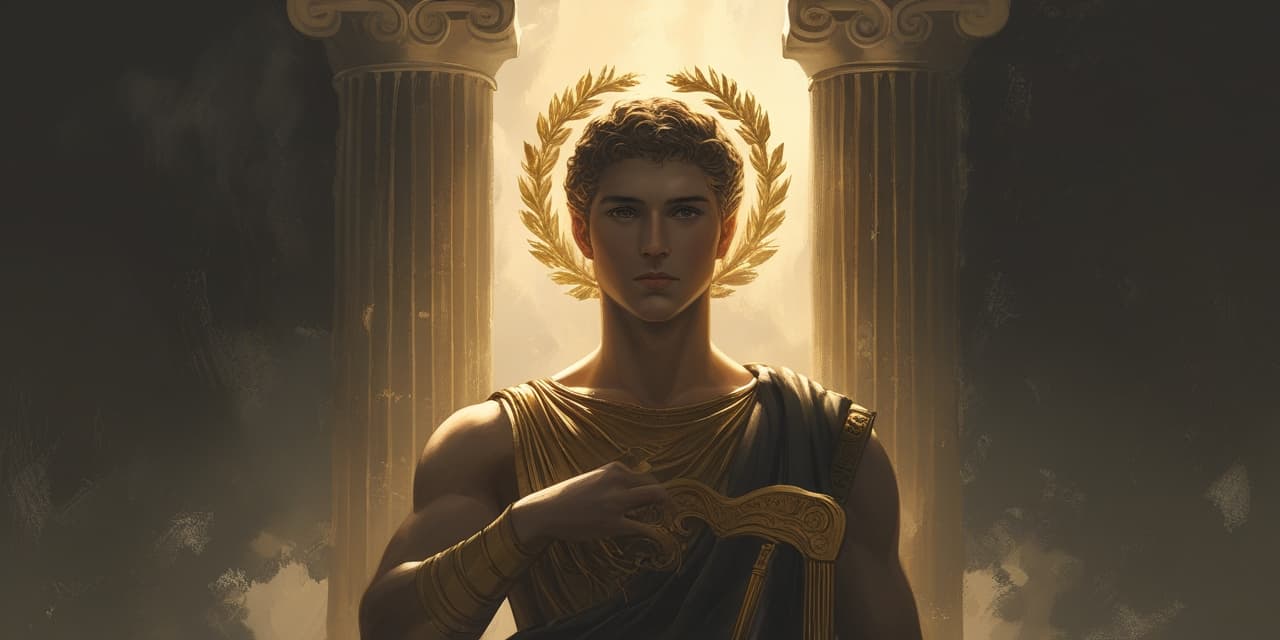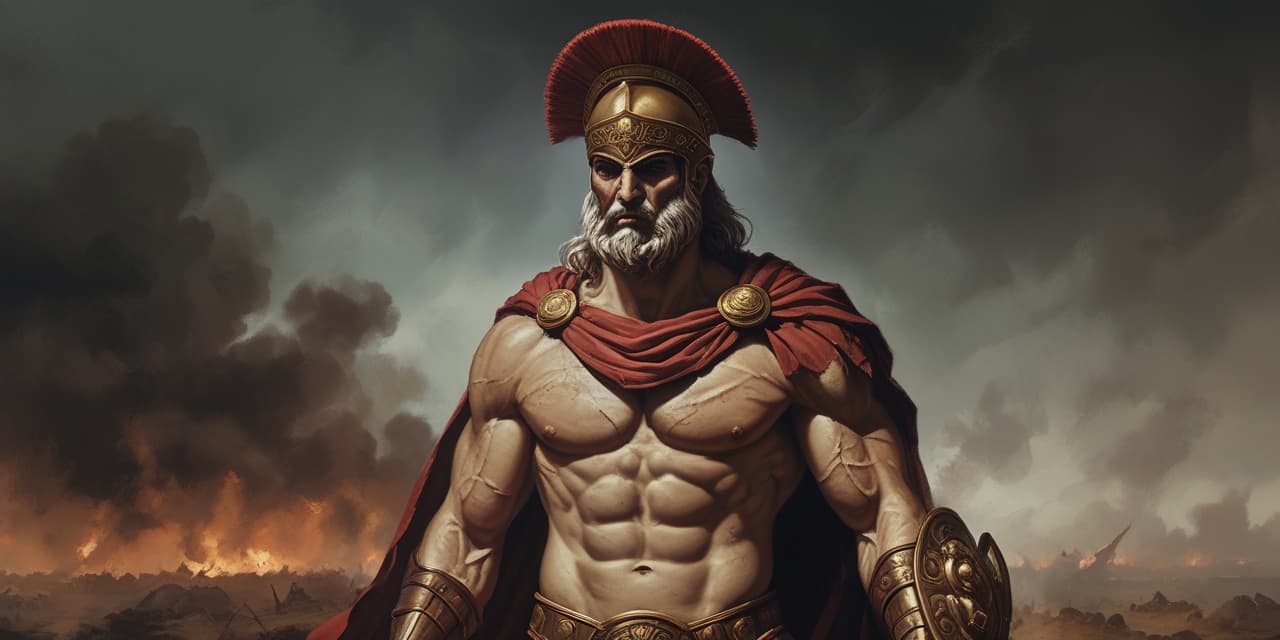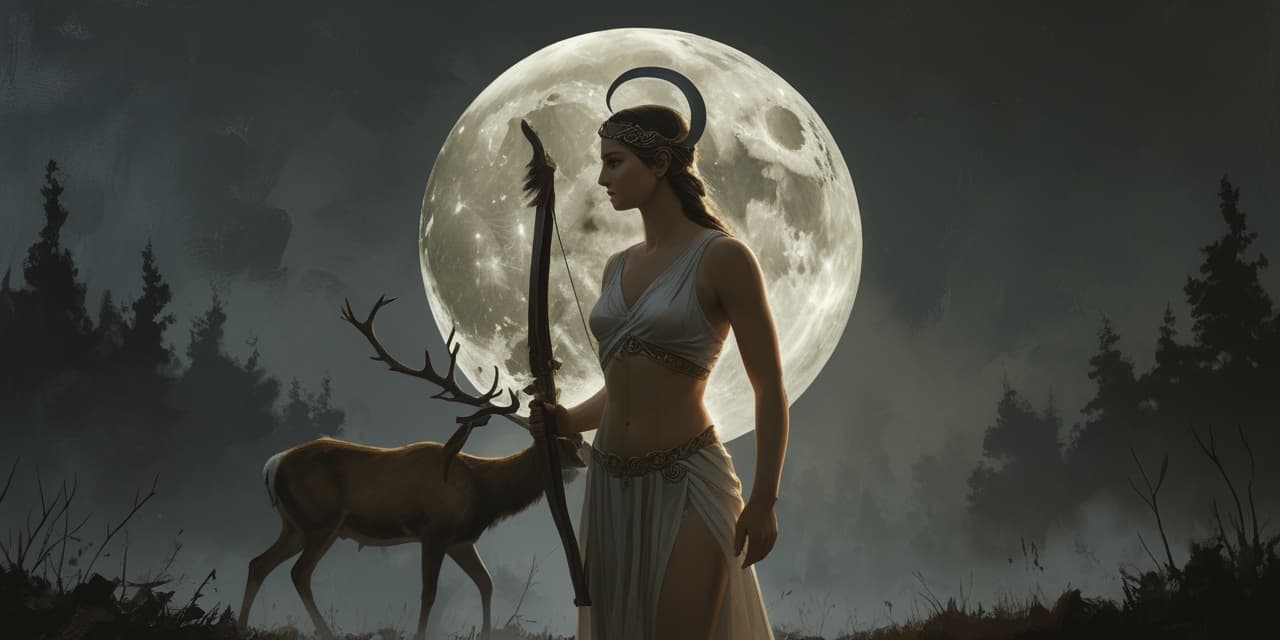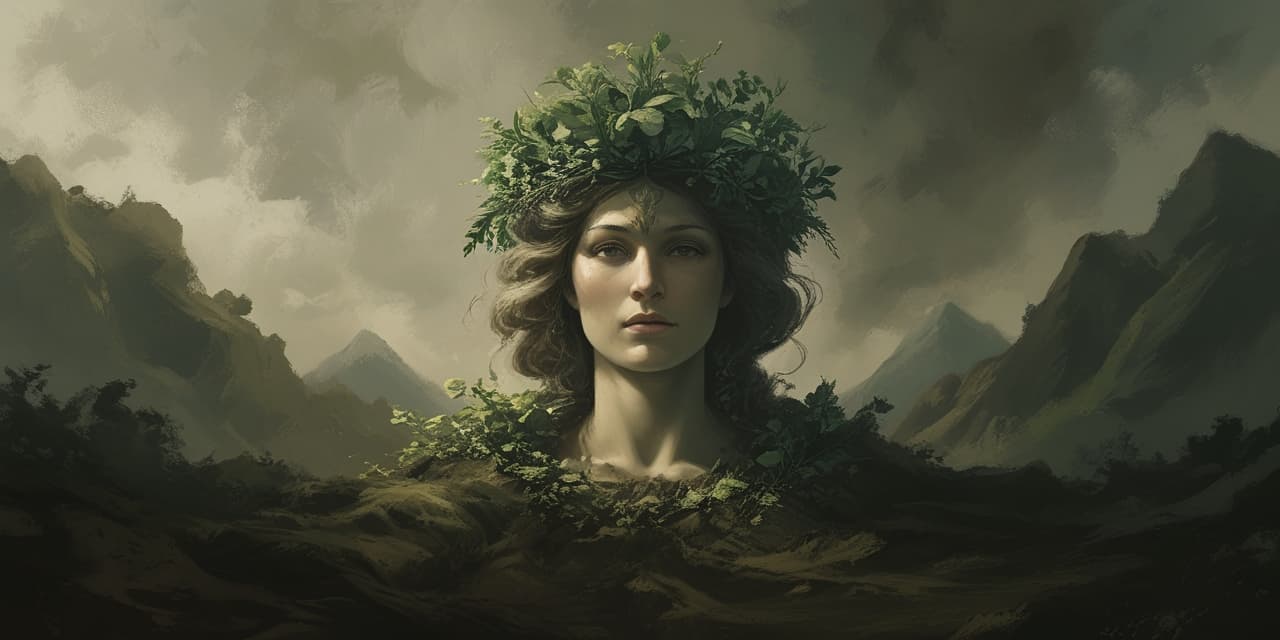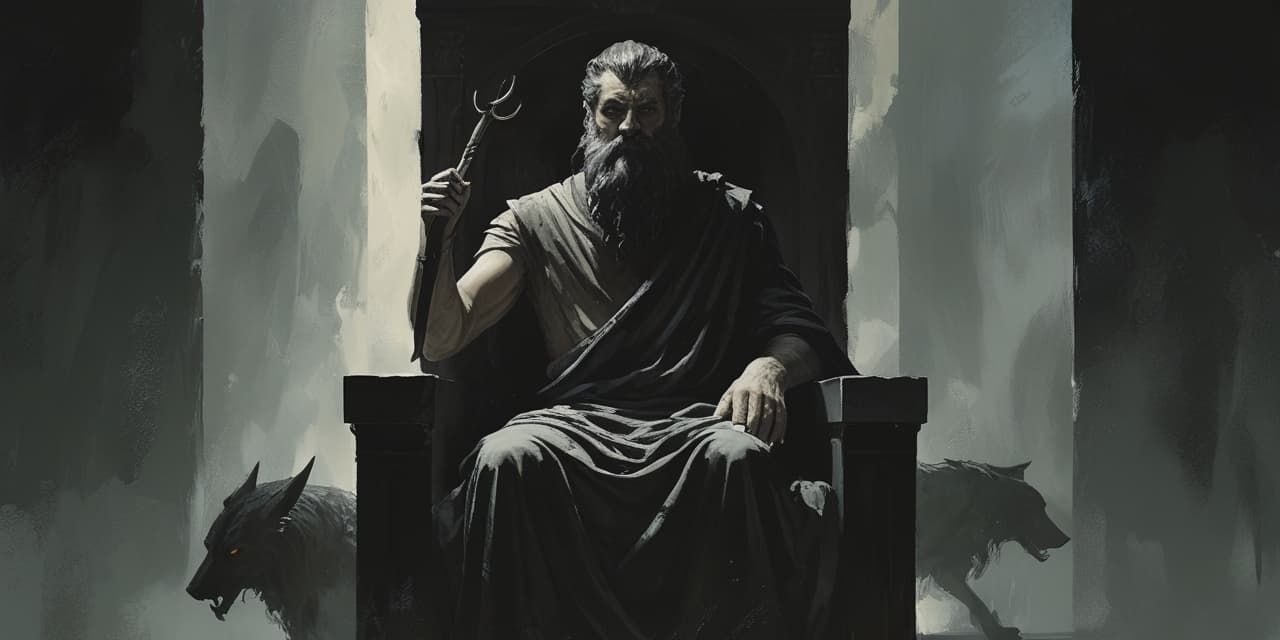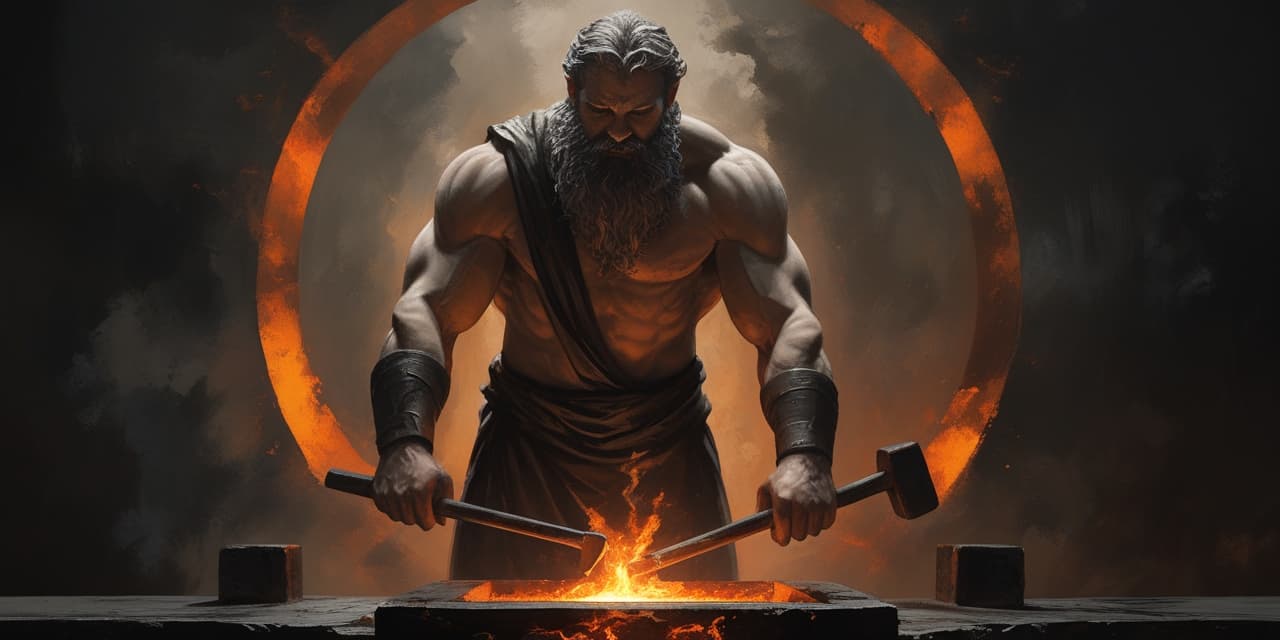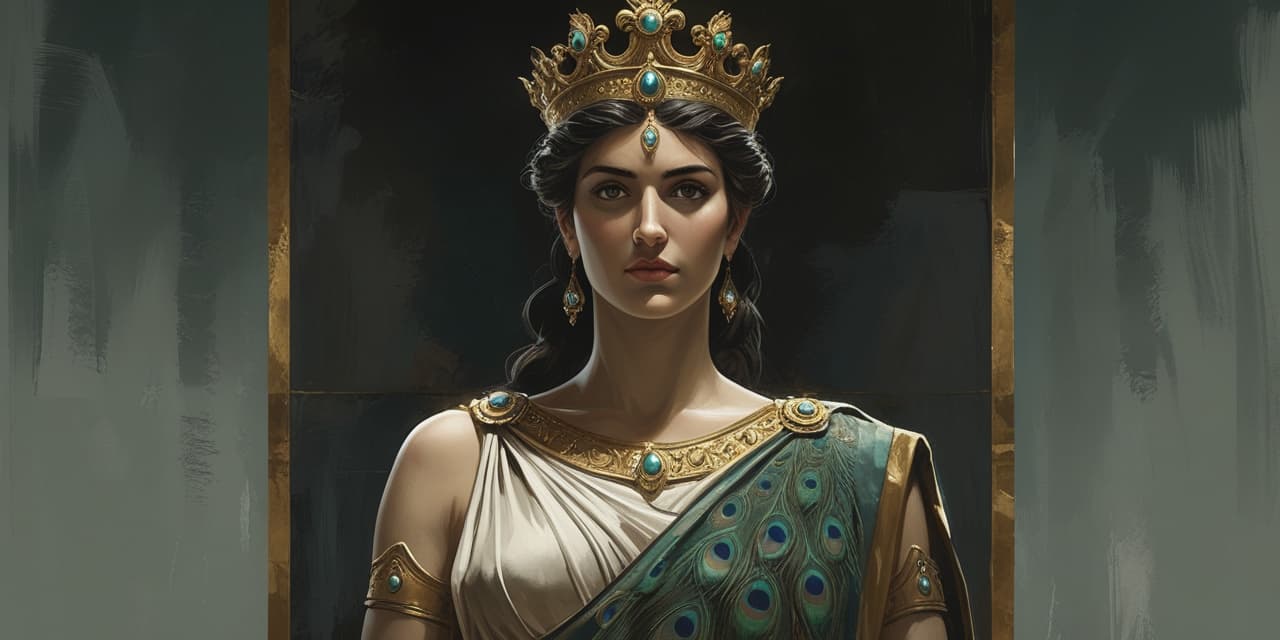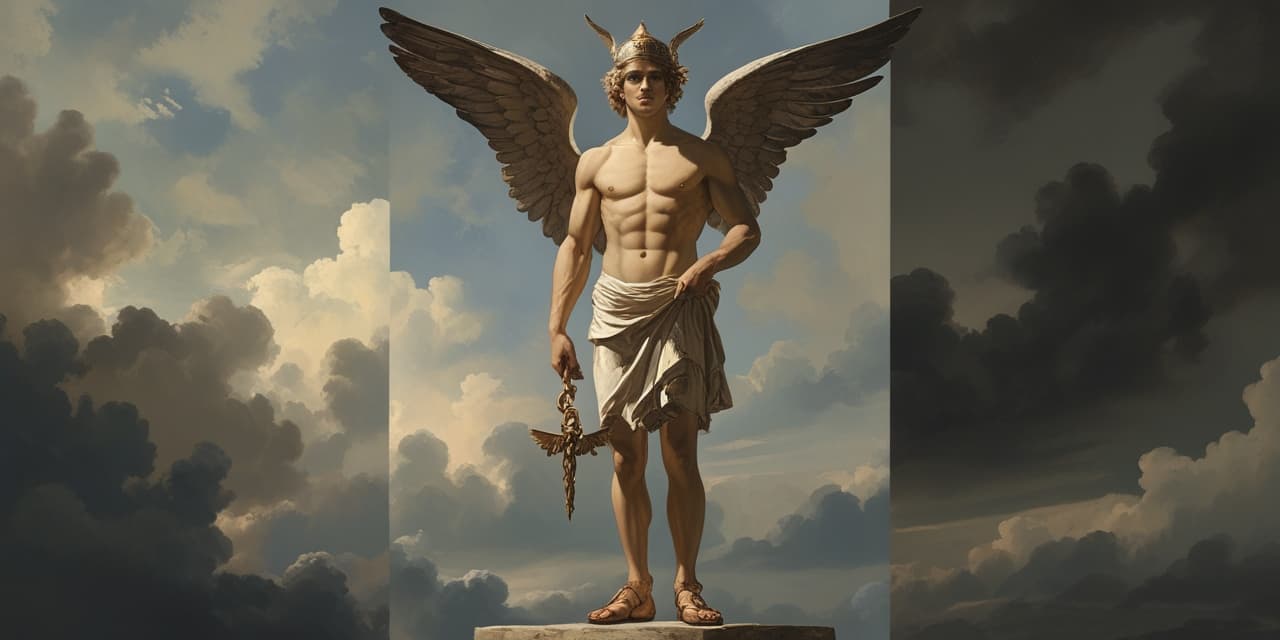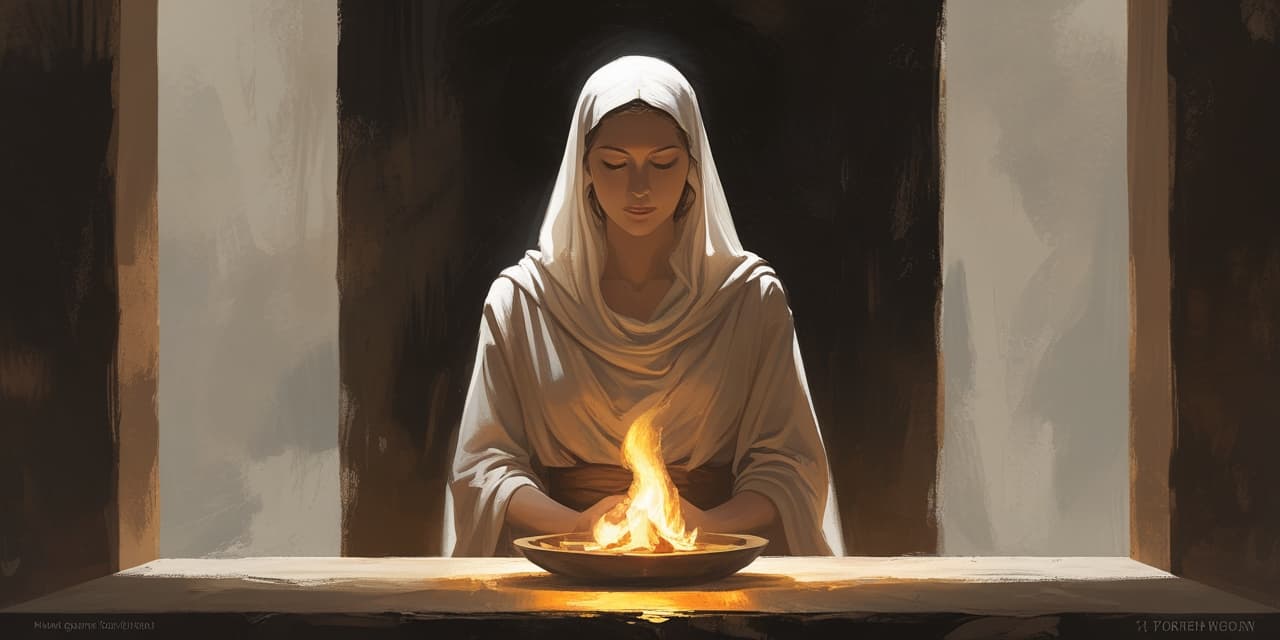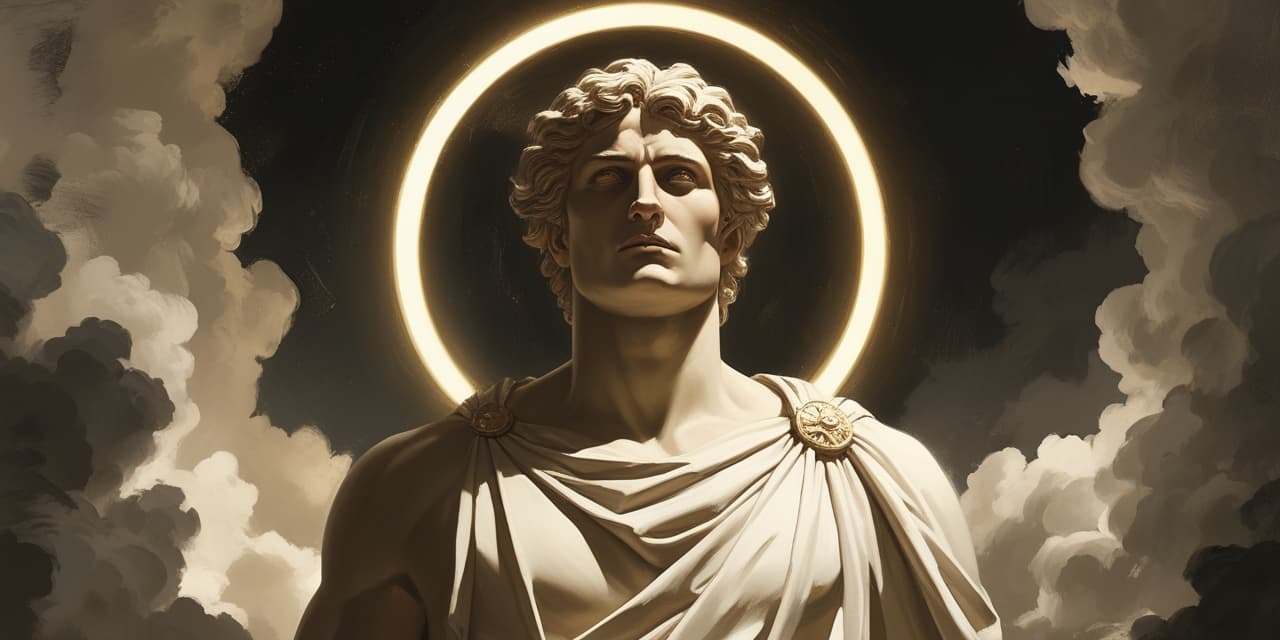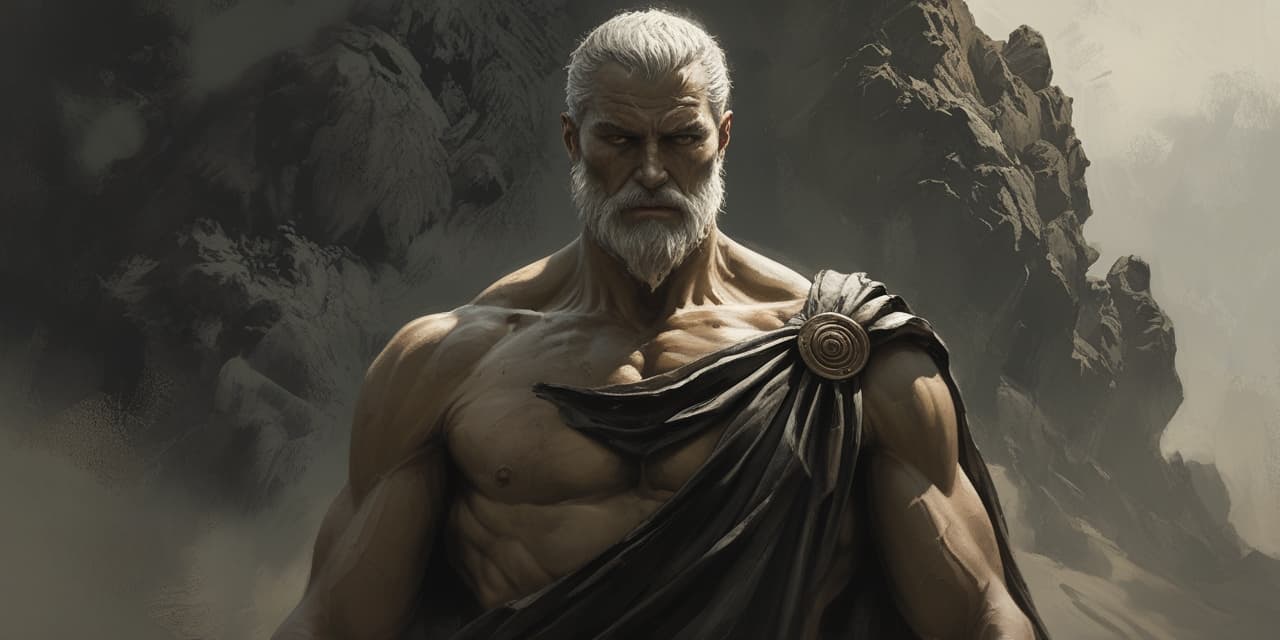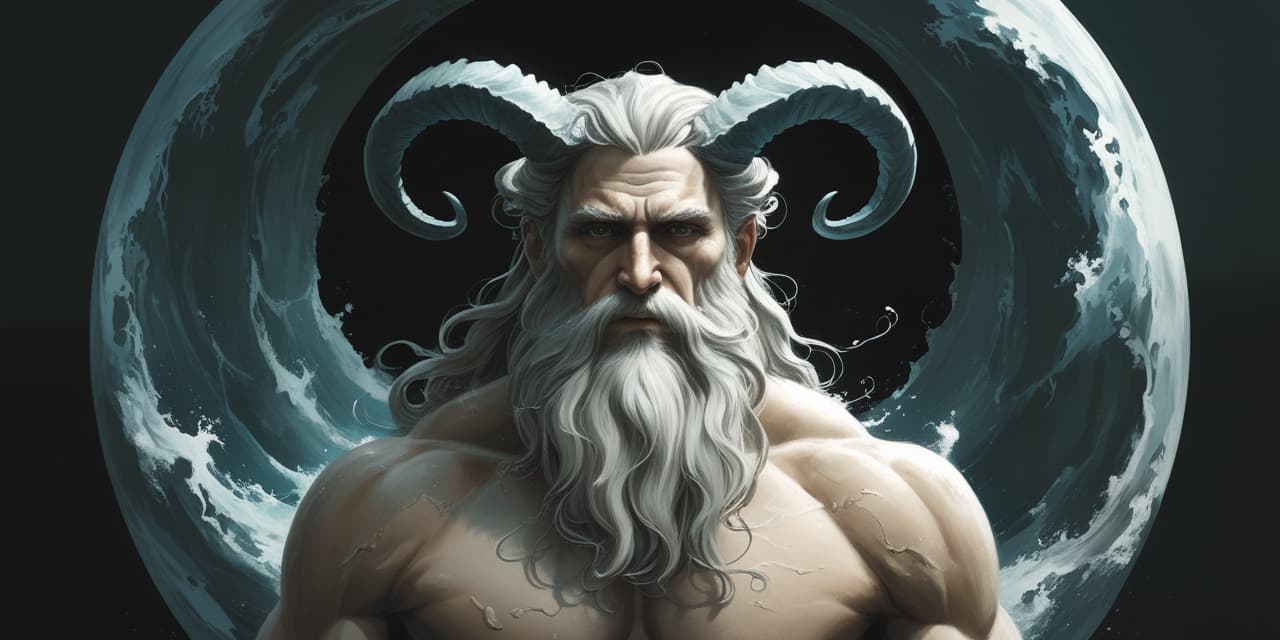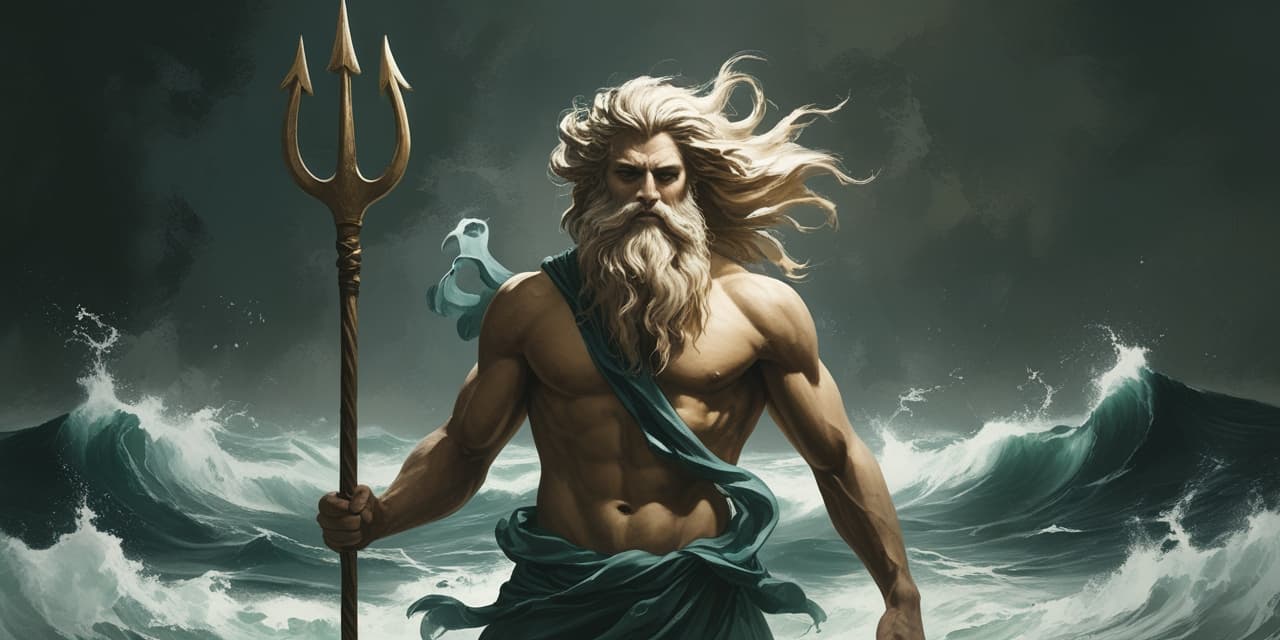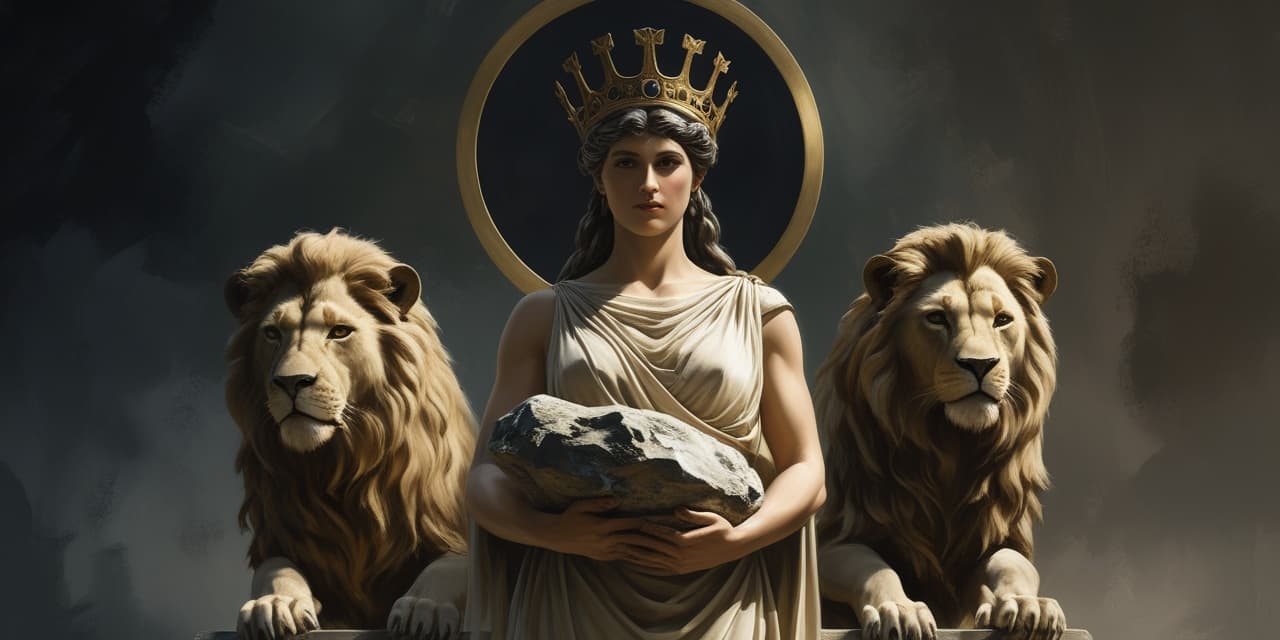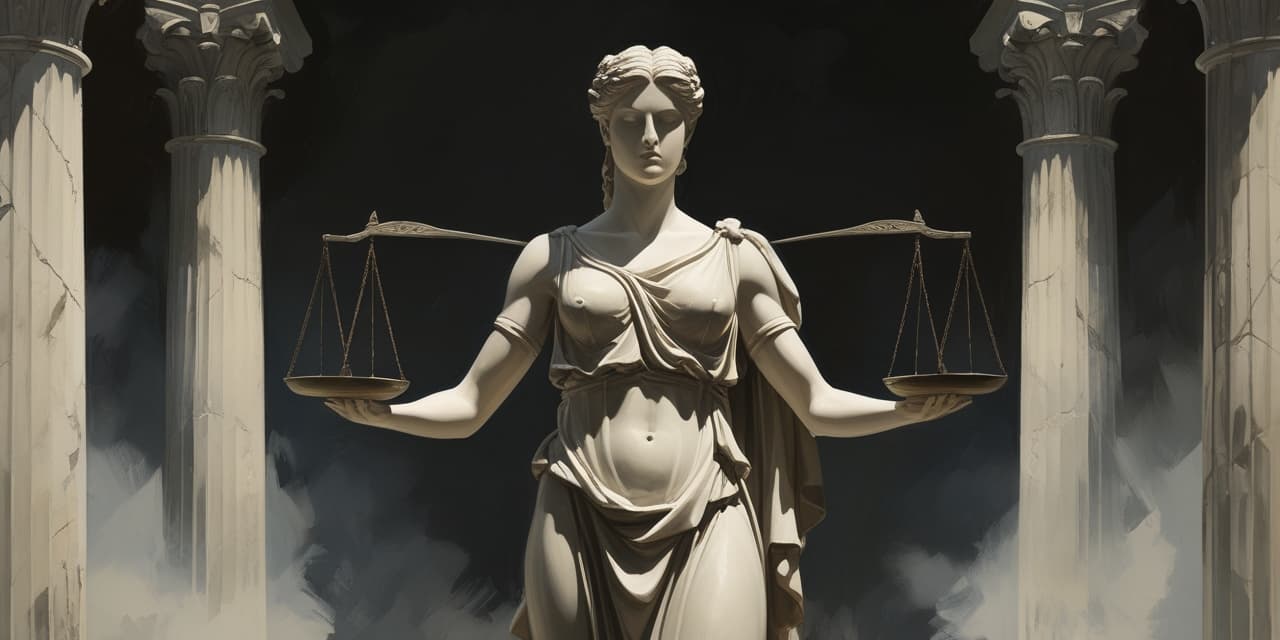
Greek mythology shaped how we tell stories about gods, heroes and monsters. Its cast is enormous — three generations of divine rulers, dozens of half-divine heroes, and a gallery of monsters, nymphs and fates — but the core conflicts are human: jealousy between spouses, rivalry between siblings, hubris punished by higher powers.
Start with the Olympians, the twelve gods who rule from Mount Olympus, or dive straight into a character profile below.
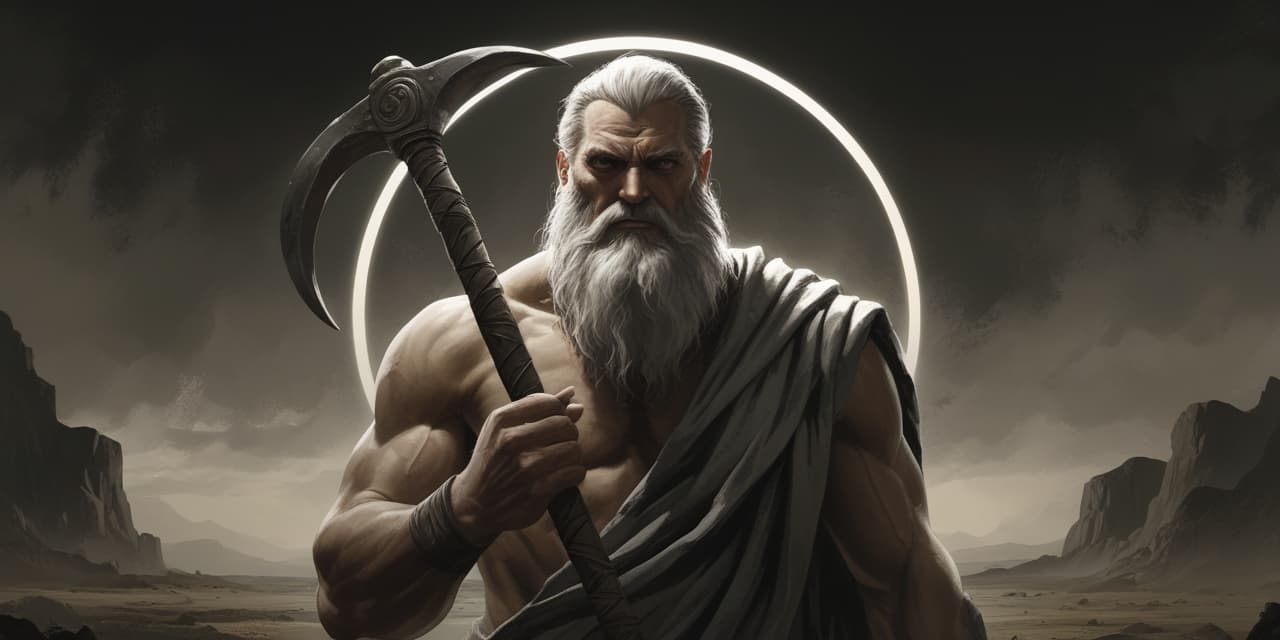
Before the Olympians came to power, the cosmos belonged to an earlier generation, the Titans, children of the primordial sky-god Uranus and the earth-goddess Gaia. Zeus and his siblings fought their father Cronus and the elder gods in the decade-long Titanomachy, eventually casting most of the Titans into the pit of Tartarus and dividing the world — sky, sea, and underworld — among themselves. Almost every later Greek myth, from the Trojan War to the labors of Heracles, unfolds within the order the Olympians established after that victory.
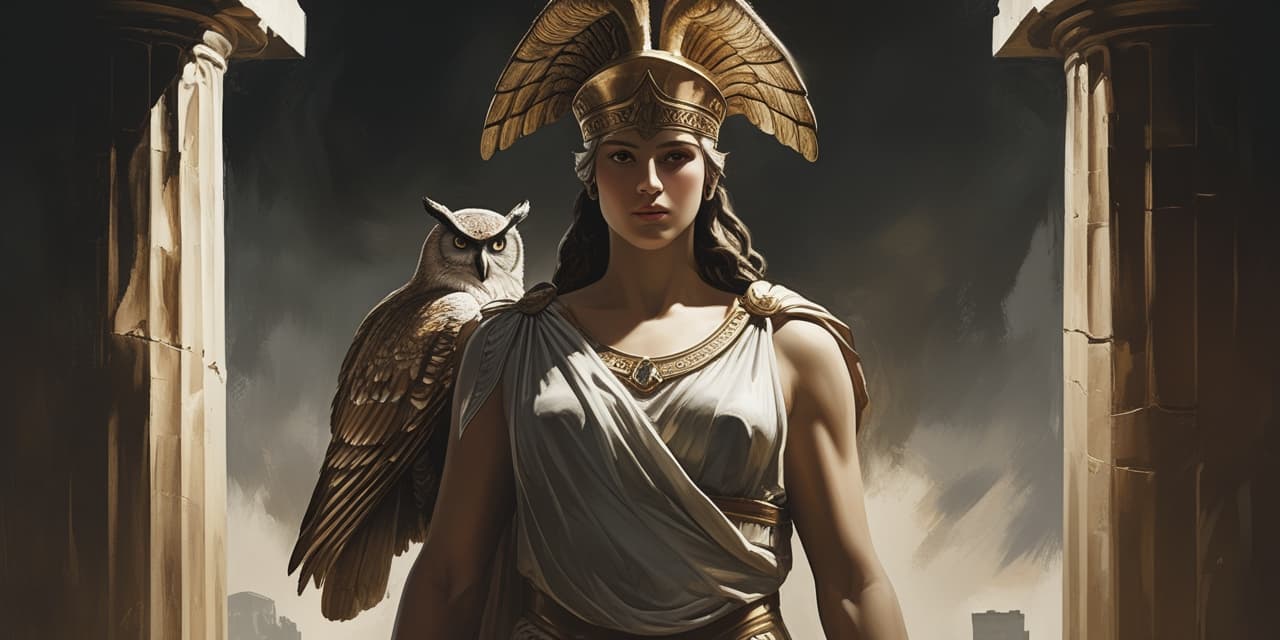
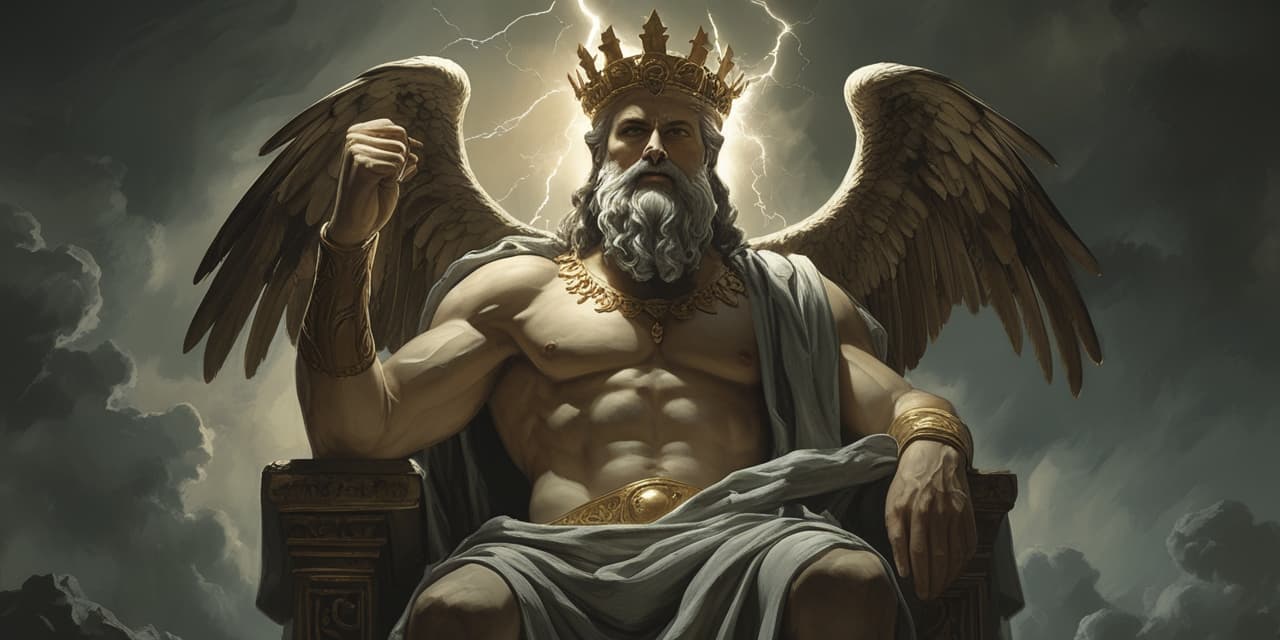
These stories never stayed confined to religion. Homer's epics and Hesiod's Theogony fixed much of the pantheon's genealogy and character in writing as early as the eighth century BCE, and the myths went on to shape Greek and Roman art, drama and philosophy for a thousand years, resurfaced in the European Renaissance, and still echo through modern culture — planets and elements named for the gods, psychological terms like "narcissism" and the "Oedipus complex," and constant retellings in film, television and fiction. Figures such as Zeus, king of the gods, and Athena, goddess of wisdom, remain among the most recognizable characters in Western storytelling, according to Britannica.
Common Questions
How many gods are there in Greek mythology?
There is no single fixed number — the tradition includes thousands of named gods, spirits, nymphs and monsters across its many local cults. Most attention centers on the twelve Olympians who rule from Mount Olympus, plus the earlier generation of Titans they overthrew.
What is the difference between the Titans and the Olympians?
The Titans were the older generation of gods, children of Uranus and Gaia, who ruled the cosmos under Cronus during the mythic "Golden Age." The Olympians are their successors — Zeus, his siblings, and their children — who defeated the Titans in the Titanomachy and rule from Mount Olympus today.
Where do Greek myths come from?
Most surviving myths were recorded by early poets, above all Homer (the Iliad and Odyssey) and Hesiod (the Theogony and Works and Days), then expanded by later playwrights, historians, and Roman writers such as Ovid. The stories themselves are older still, rooted in oral tradition and Bronze Age religious practice, per standard scholarly overviews of the subject.