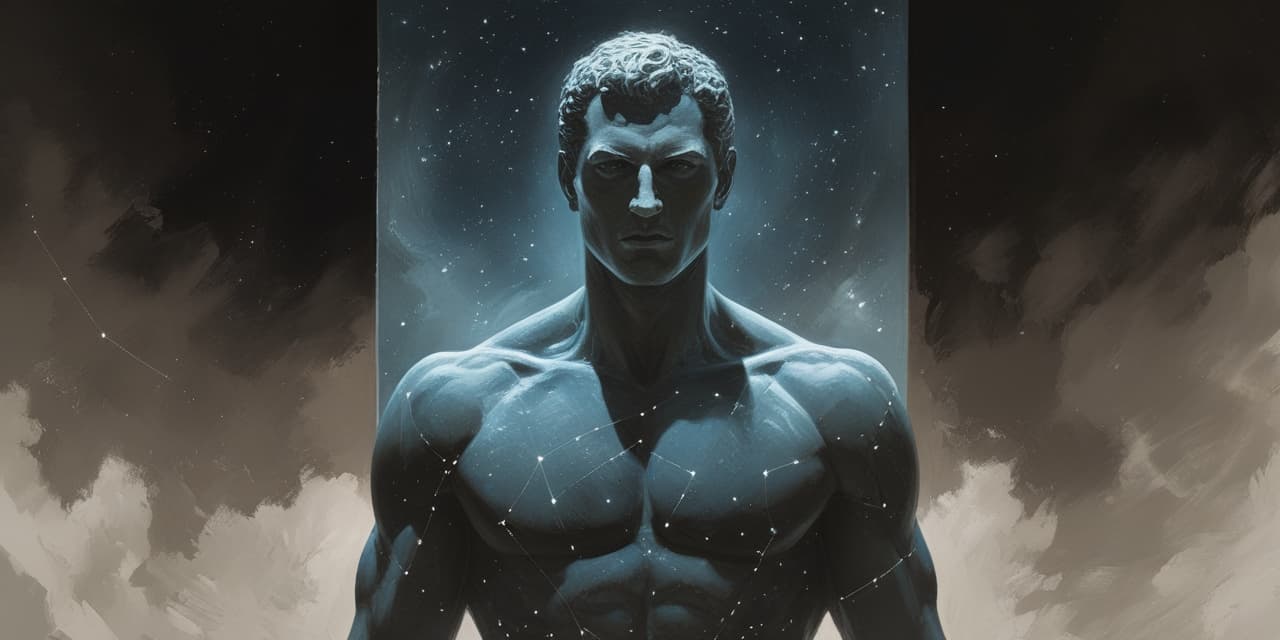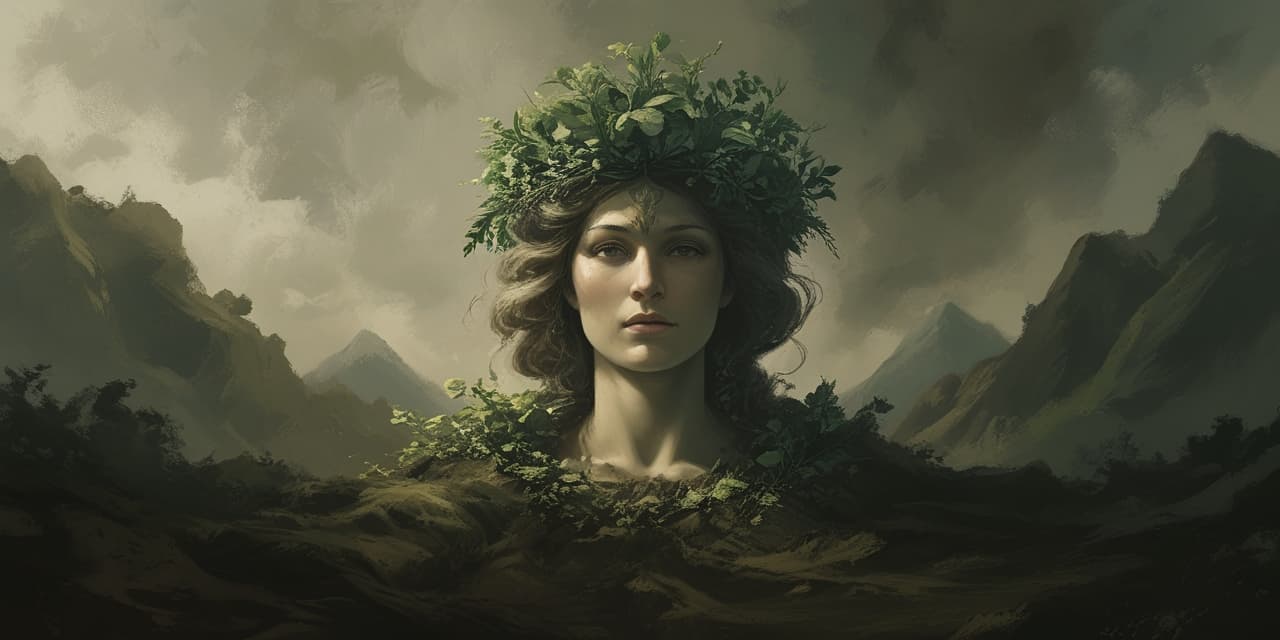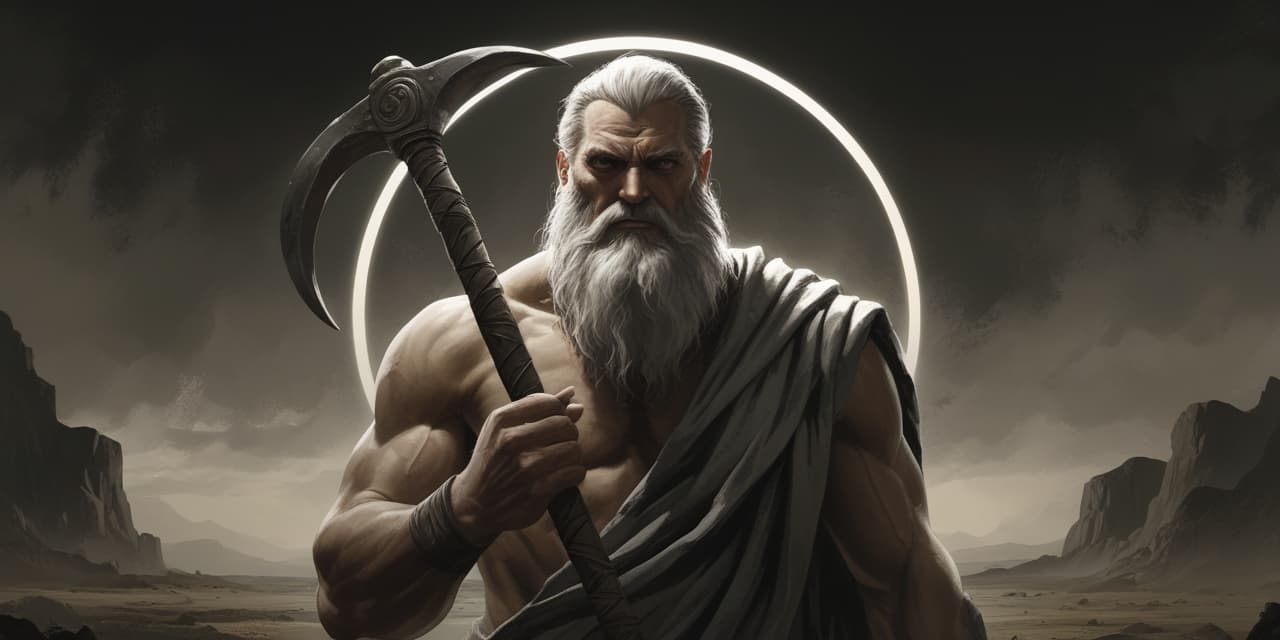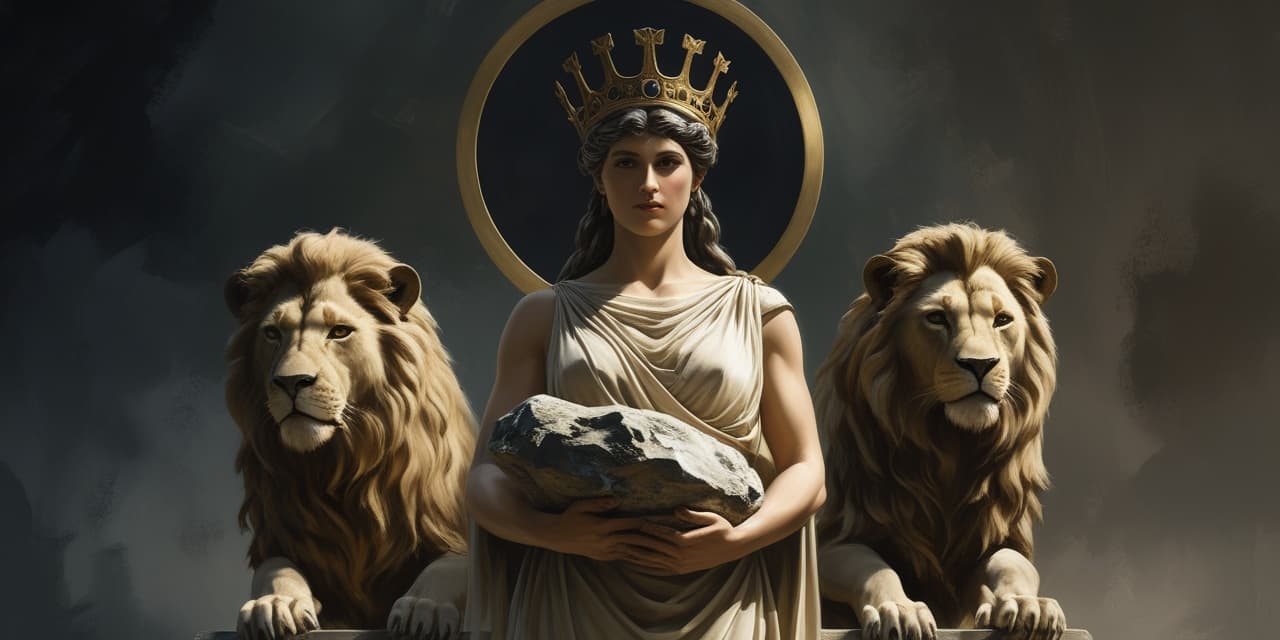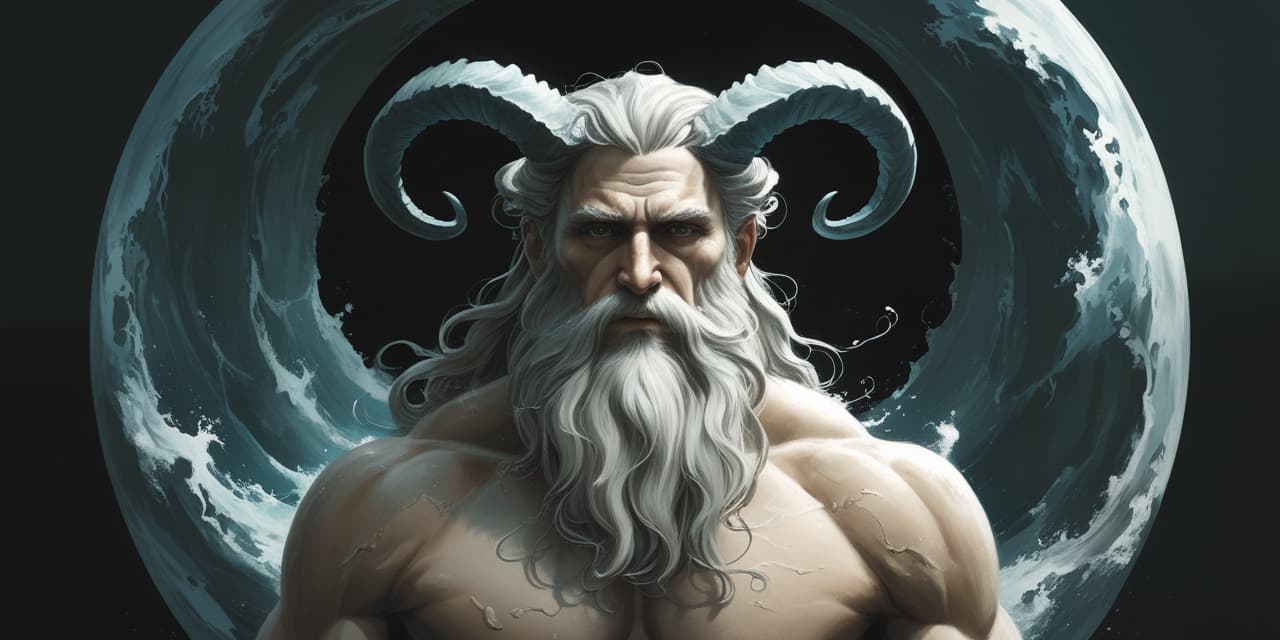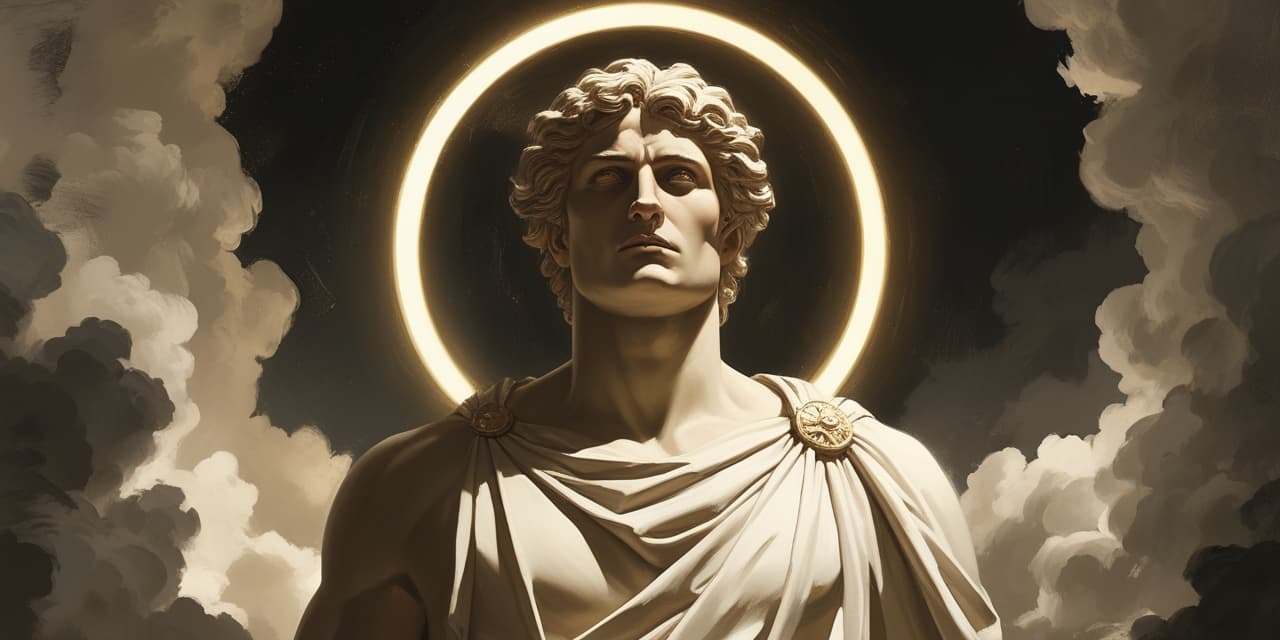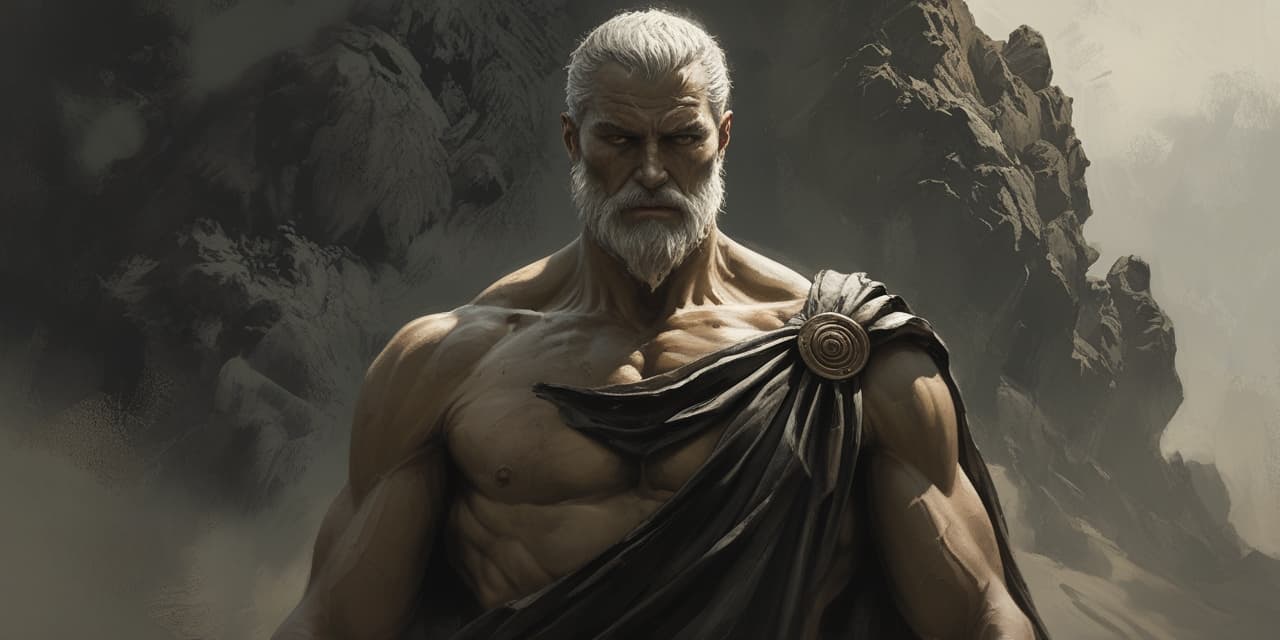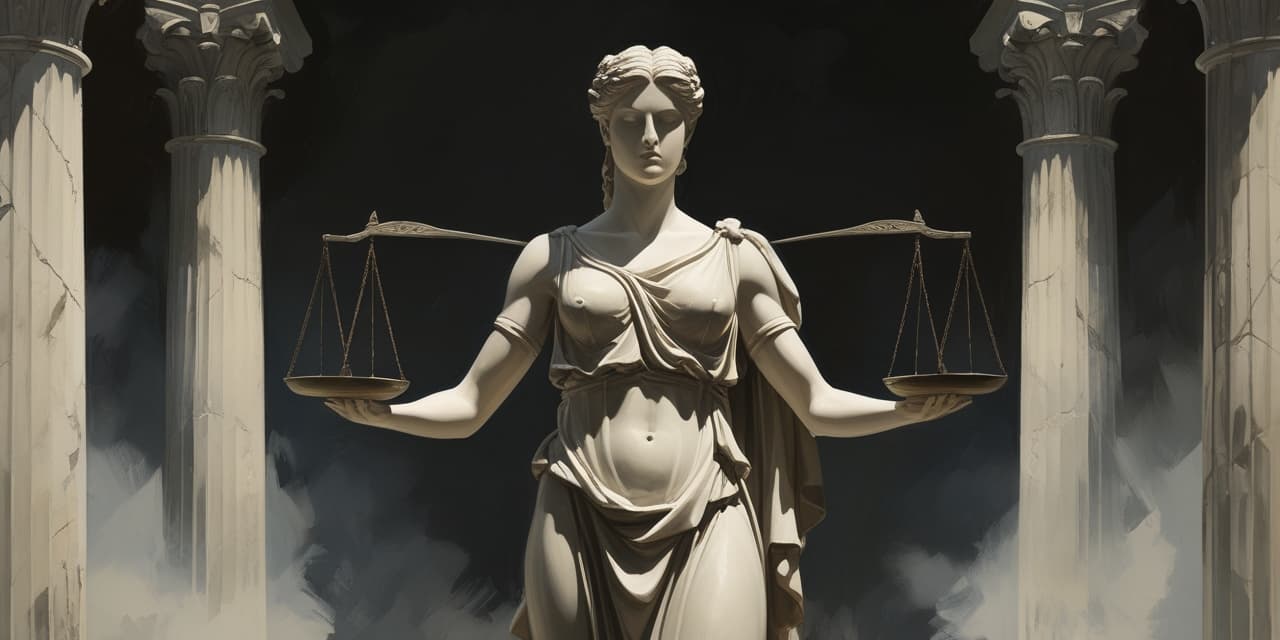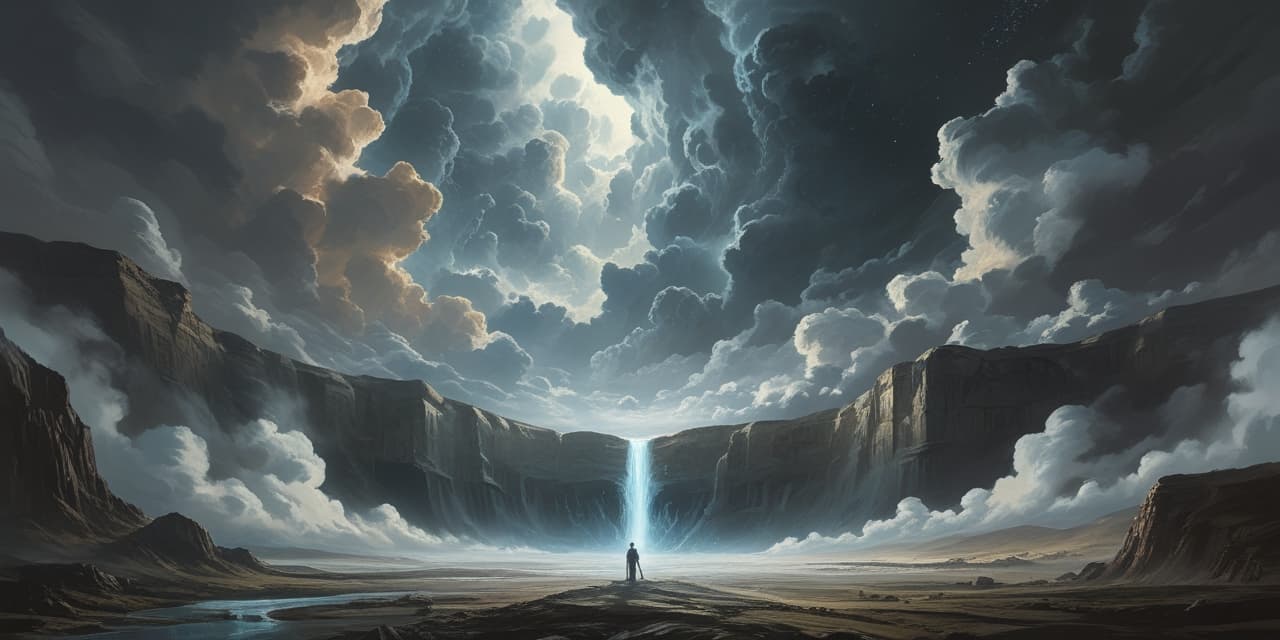
The Titans were the twelve children of Uranus (Sky) and Gaia (Earth) — a generation of vast, elemental gods who governed the world before the Olympians existed. Led by Cronus, the youngest and boldest, they overthrew their father Uranus and ruled during what later Greeks remembered as a golden age. Alongside Cronus and his sister-wife Rhea stood Oceanus, the world-encircling river; Hyperion, father of the sun; Iapetus, ancestor of Prometheus; and Themis, the embodiment of divine law and order.
Their rule ended in the Titanomachy, a ten-year war against the children of Cronus and Rhea. When the Olympians won, most of the male Titans were cast into Tartarus, while figures like Themis were folded into the new order. The Titans never vanished from the imagination — they remained the awesome, half-feared ancestors of the gods who took their place.
Members
- Uranus — primordial god of the sky, father of the Titans with Gaia
- Gaia — primordial goddess of the Earth, mother of the Titans
- Cronus — youngest and most fearsome of the Titans, ruler of the golden age until Zeus overthrew him
- Rhea — Titaness of motherhood and generation, wife of Cronus and mother of the Olympians
- Oceanus — eldest Titan, personification of the freshwater river encircling the world
- Hyperion — Titan of heavenly light, father of the sun, moon, and dawn
- Iapetus — Titan of mortality and craft, father of Prometheus and Atlas
- Themis — Titaness of divine law, order, and prophecy
According to Hesiod's Theogony, the twelve Titans were born in two waves: the six sons and daughters listed above, plus a second group — Crius, Coeus, Phoebe, Tethys, Mnemosyne, and Theia — who appear less often in later myth but were no less essential to the family's genealogy. Almost every major god of the Olympian generation traces back to a Titan parent or grandparent, which is why Greek writers treated the Titans less as villains than as the necessary, half-forgotten scaffolding beneath the world they knew (source: Britannica).
After their defeat, most of the male Titans were bound in Tartarus, the same abyssal prison later reserved for the worst offenders against the gods, guarded by the hundred-handed Hecatoncheires. A handful escaped that fate: Oceanus, who stayed neutral in the war, and Themis, who sided with her nephews and nieces and was welcomed into the new order as a counselor of Zeus. Their successors, the Olympians, ruled the cosmos the Titans had once governed — and inherited, in myth after myth, the same anxieties about generational overthrow that had defined the Titans' own rise and fall. For the full family tree of characters covered here, see the Greek mythology hub.