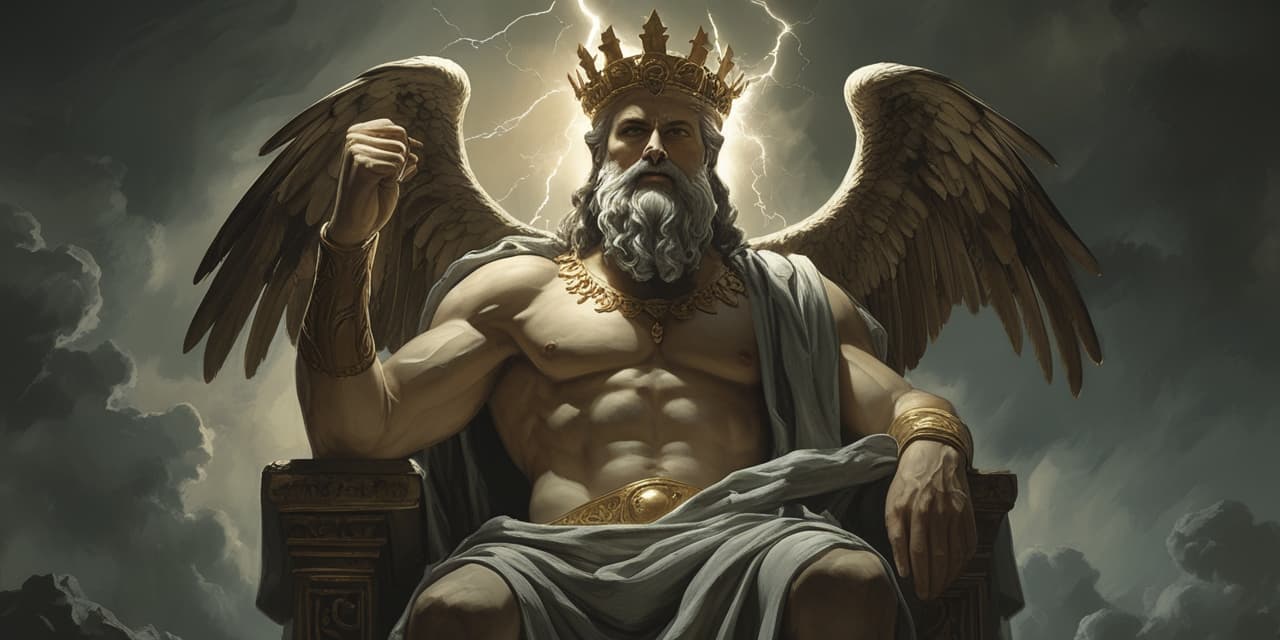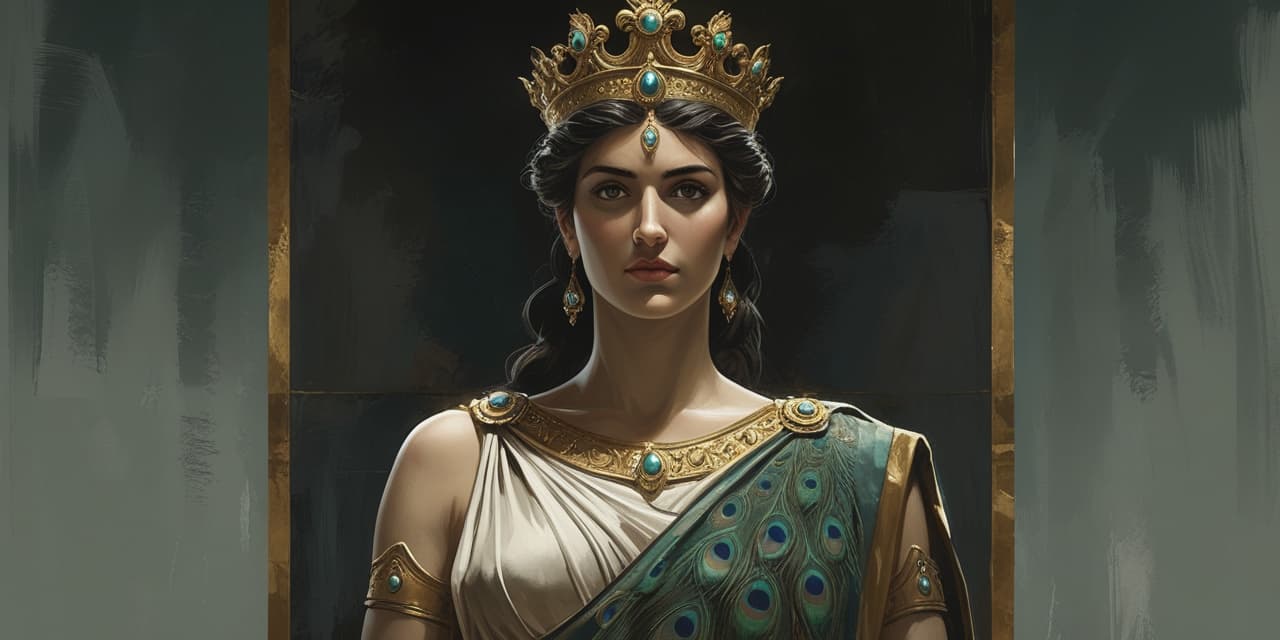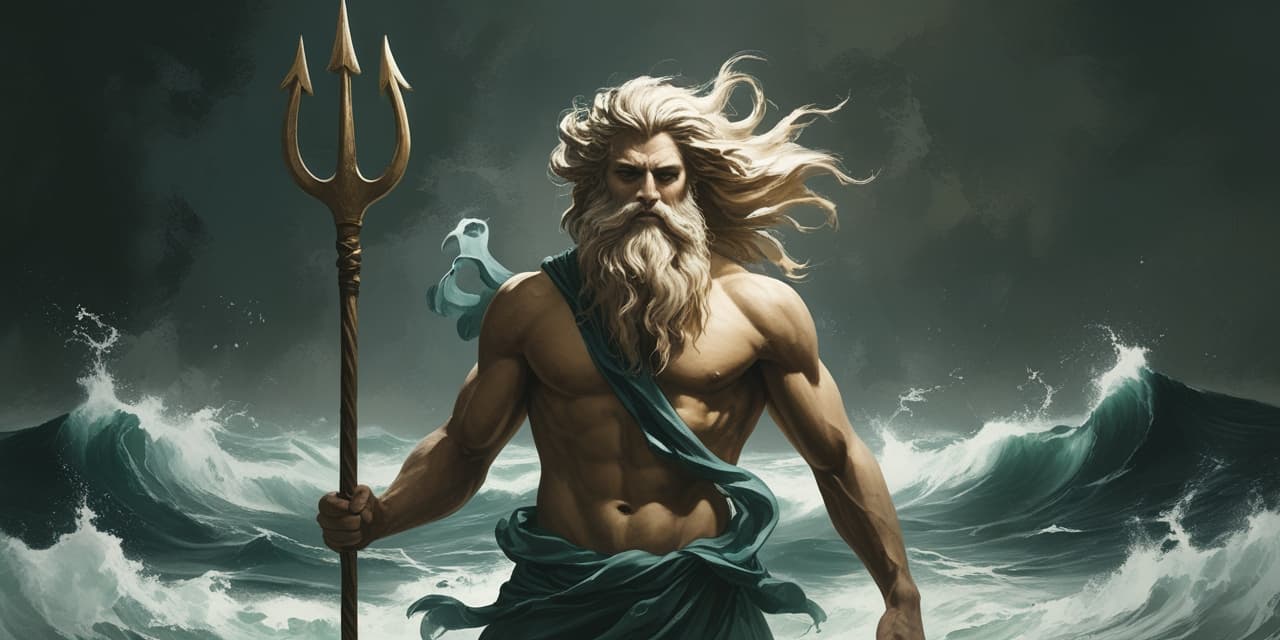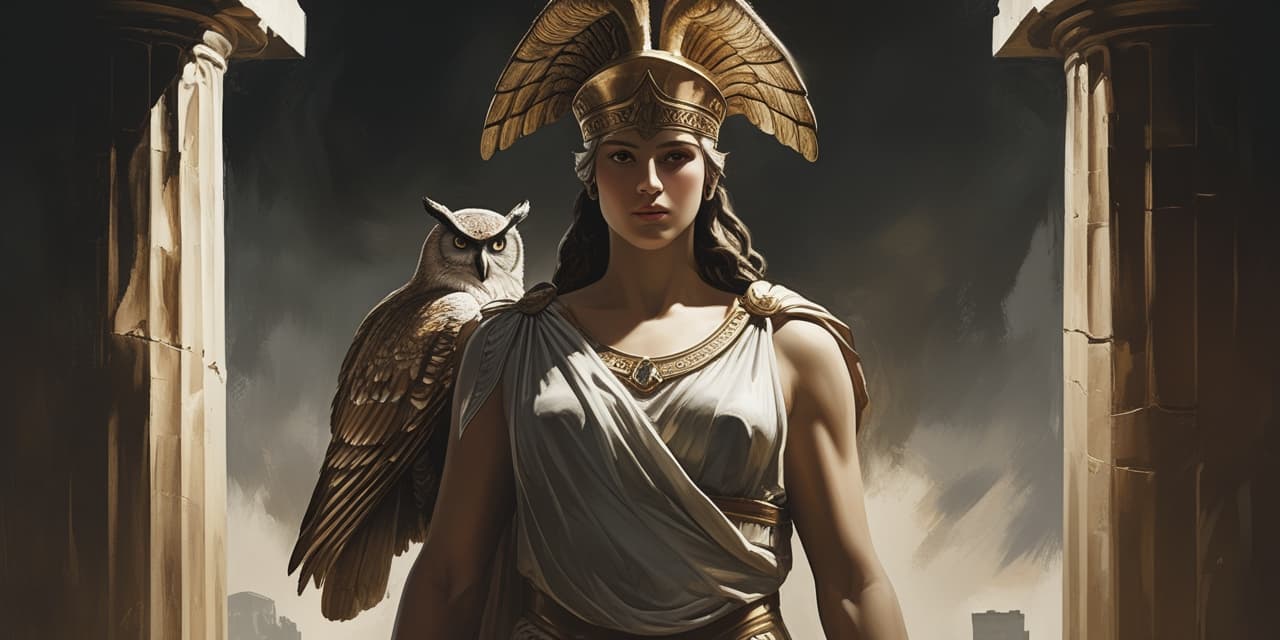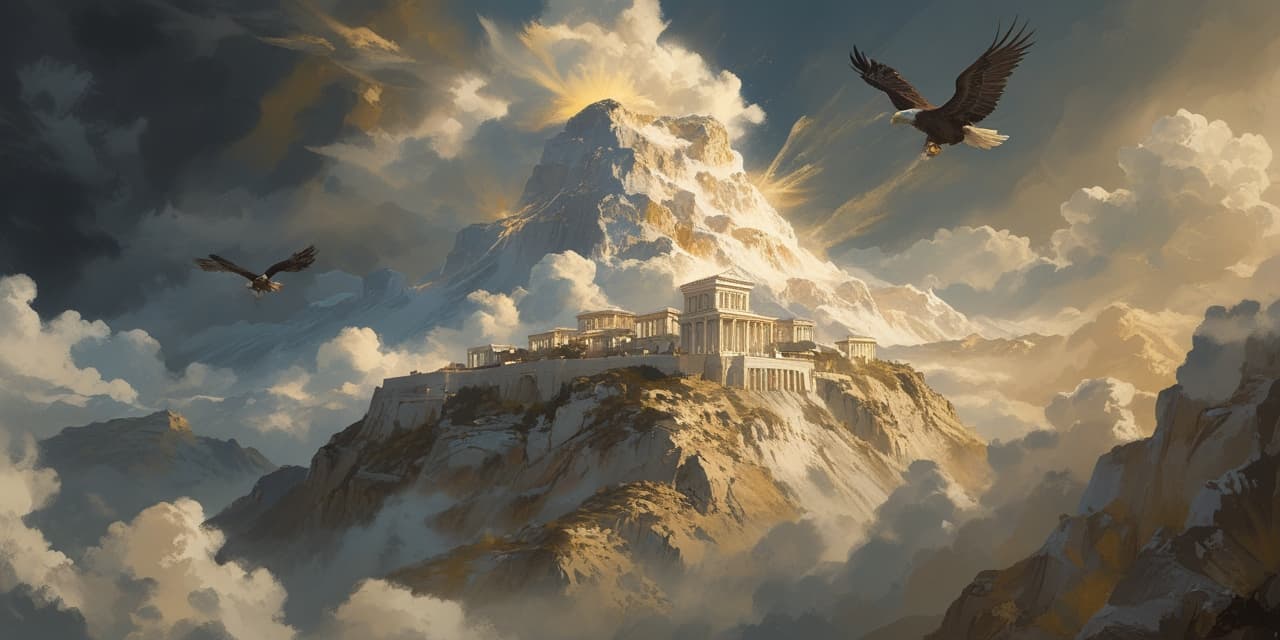
The Olympians are the principal Greek deities who make their home on Mount Olympus. After Zeus and his siblings overthrew their father Cronus and the other Titans, they divided the realms of sky, sea and underworld among themselves and were joined by a second generation — children such as Athena, Apollo, Artemis, Ares and Hermes.
Though the canonical list numbers twelve, ancient sources differ on the membership: Hestia and Dionysus are sometimes swapped, and Hades is traditionally excluded because he rules the underworld rather than Olympus.
Members
- Zeus — king of the gods, ruler of the sky and thunder
- Hera — queen of the gods, goddess of marriage and family
- Poseidon — god of the sea, earthquakes and horses
- Athena — goddess of wisdom, craft and strategic warfare
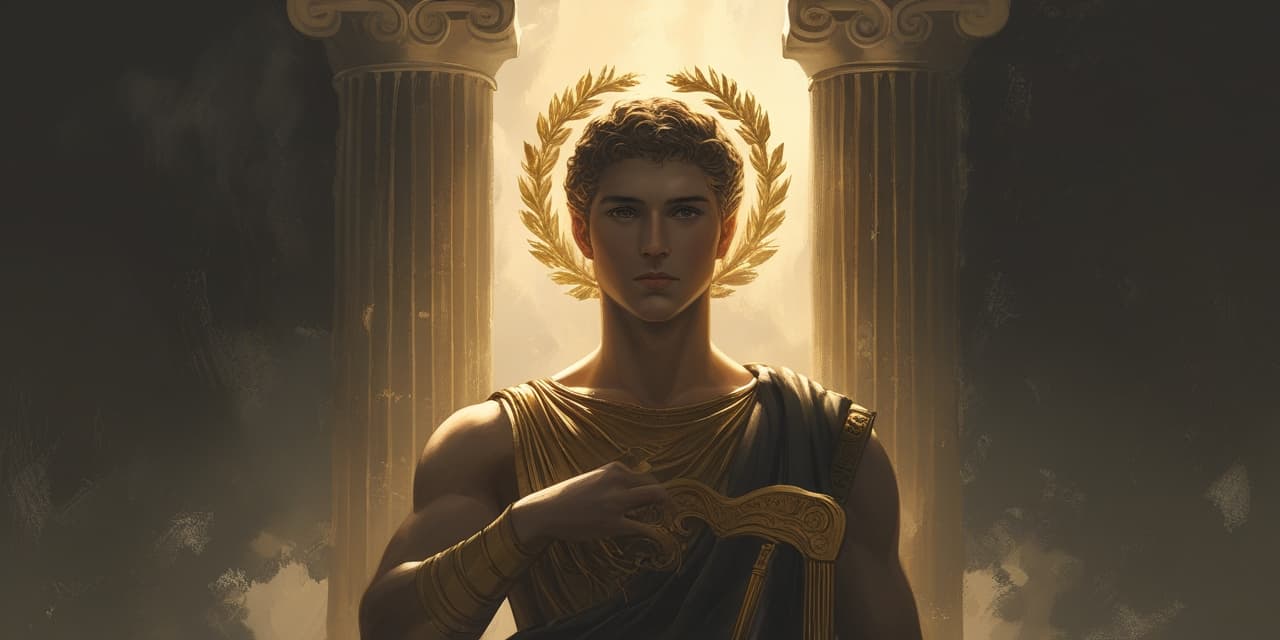
- Apollo — god of light, prophecy, music and healing
- Artemis — goddess of the hunt, wilderness and the moon
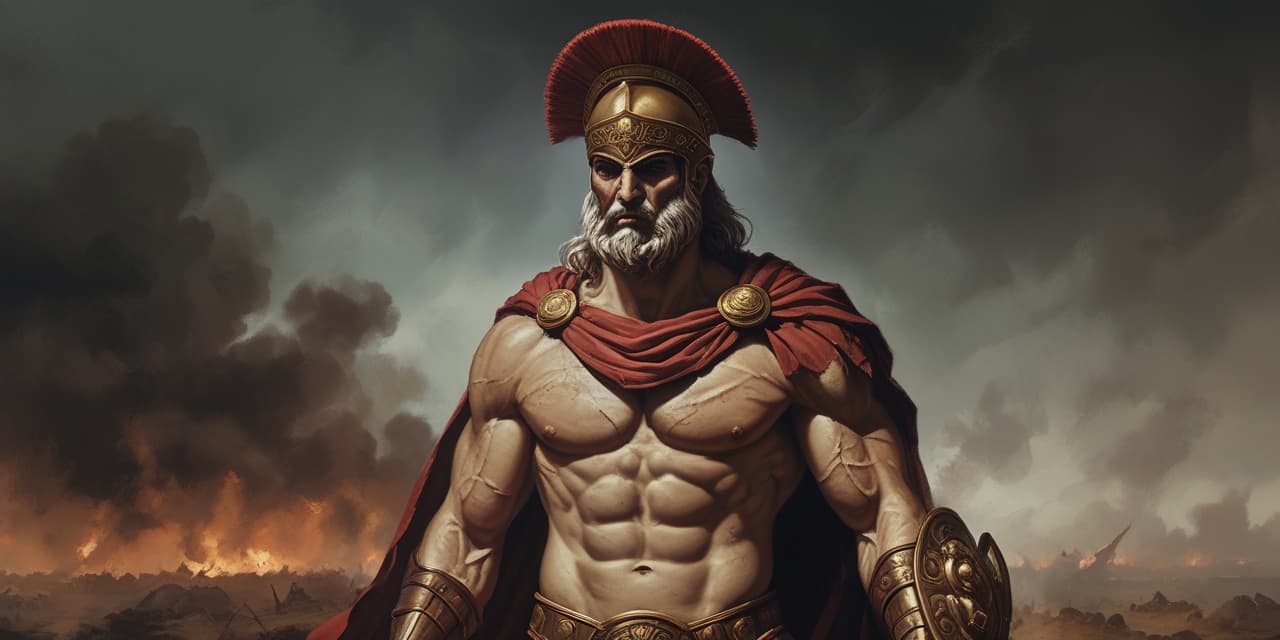
- Ares — god of war, bloodshed and courage
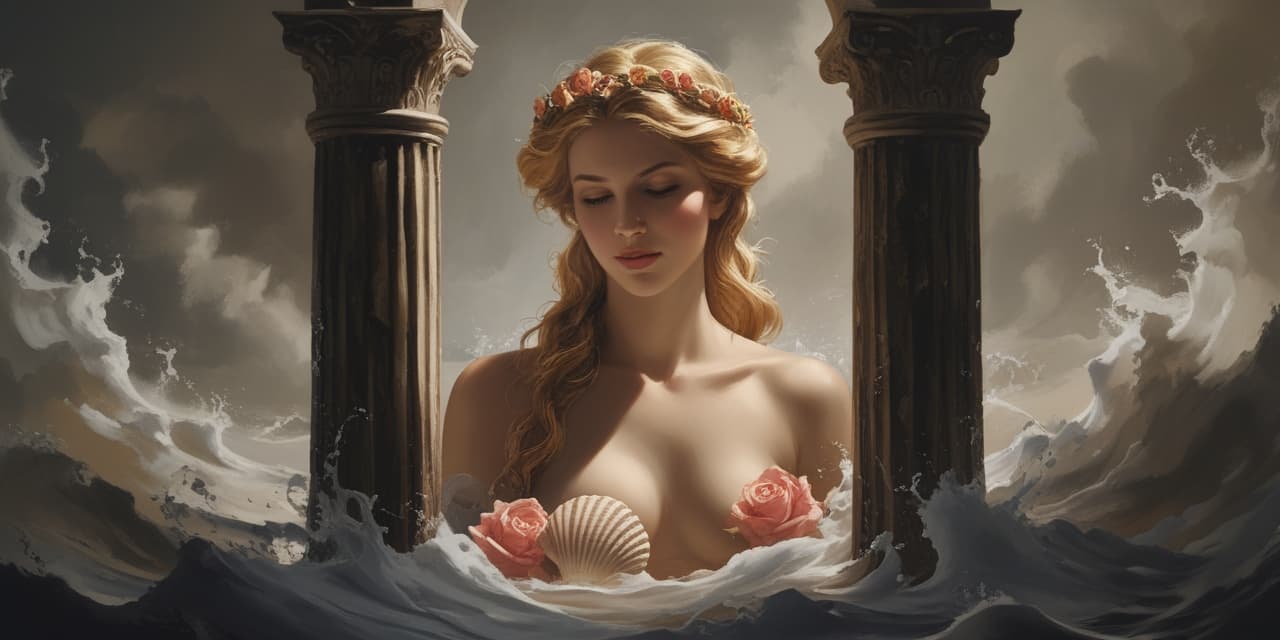
- Aphrodite — goddess of love, beauty and desire
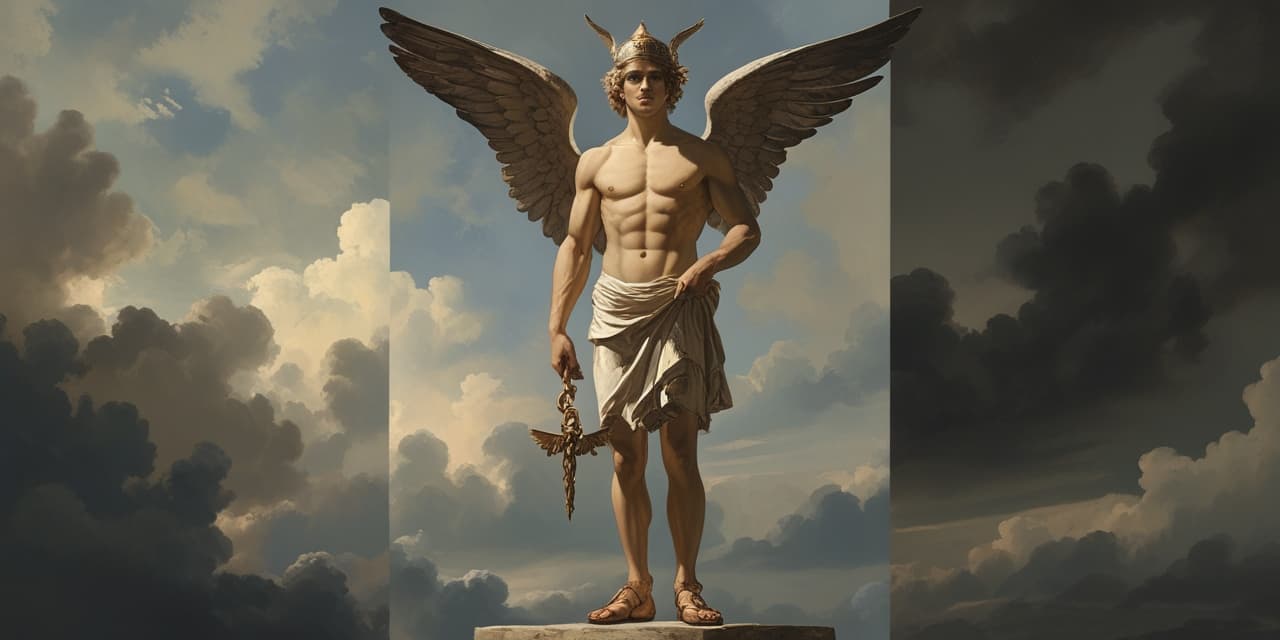
- Hermes — messenger god, guide of travelers and thieves
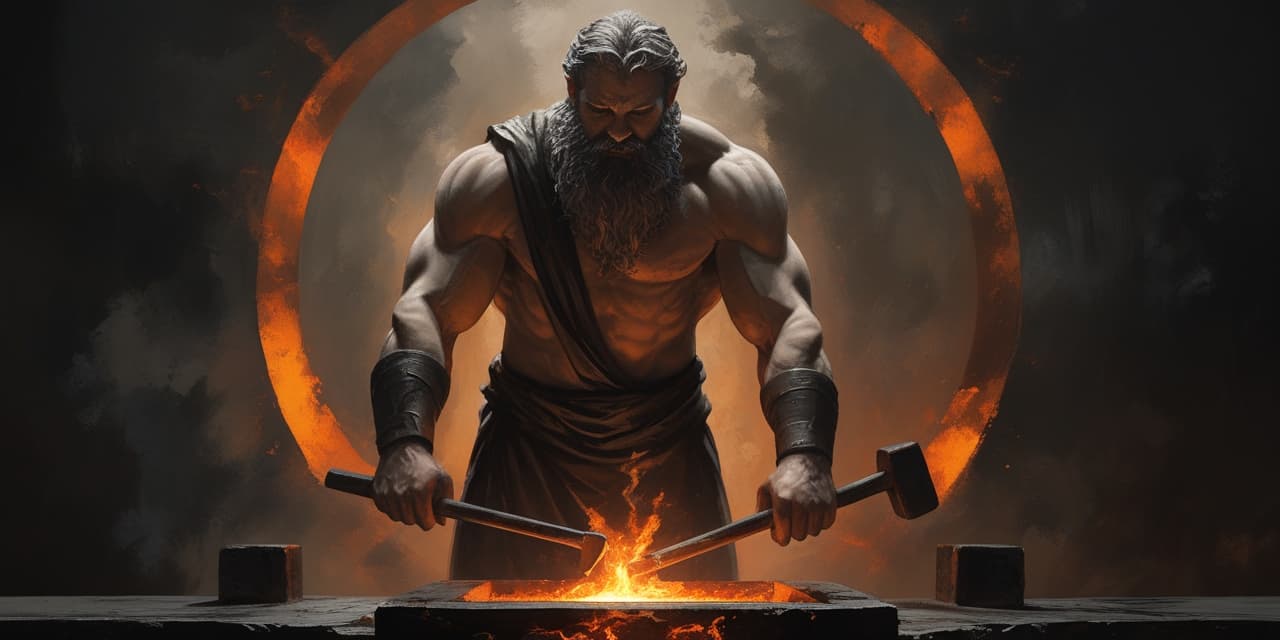
- Hephaestus — god of fire, metalworking and the forge
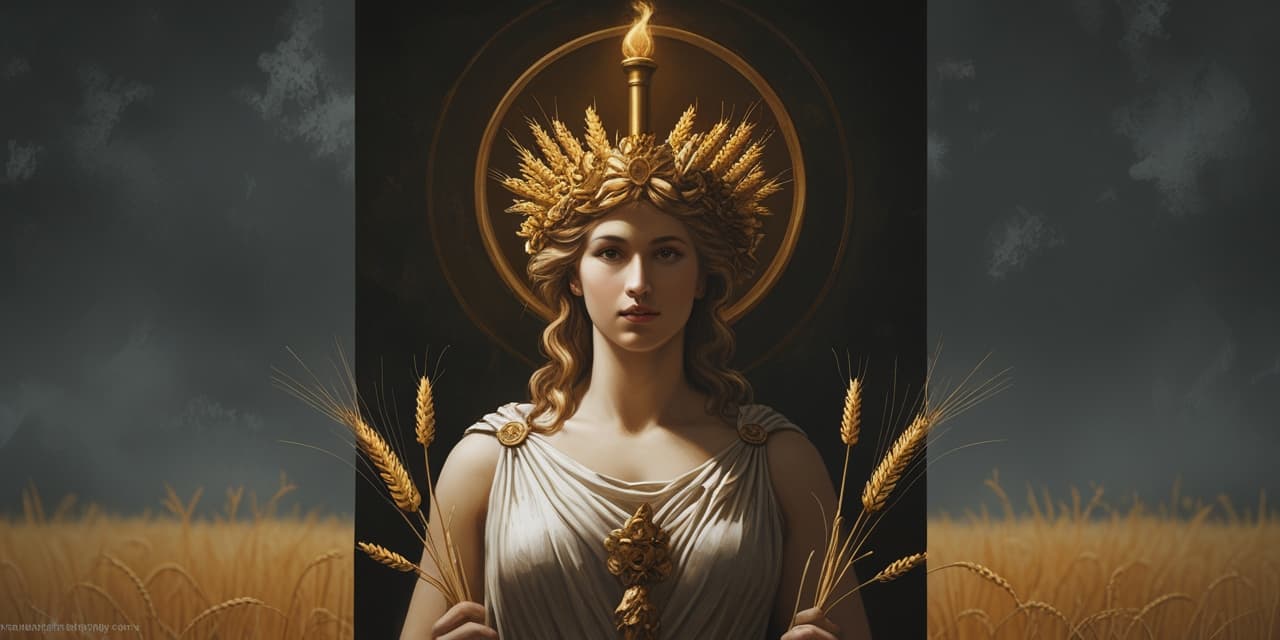
- Demeter — goddess of the harvest and agriculture
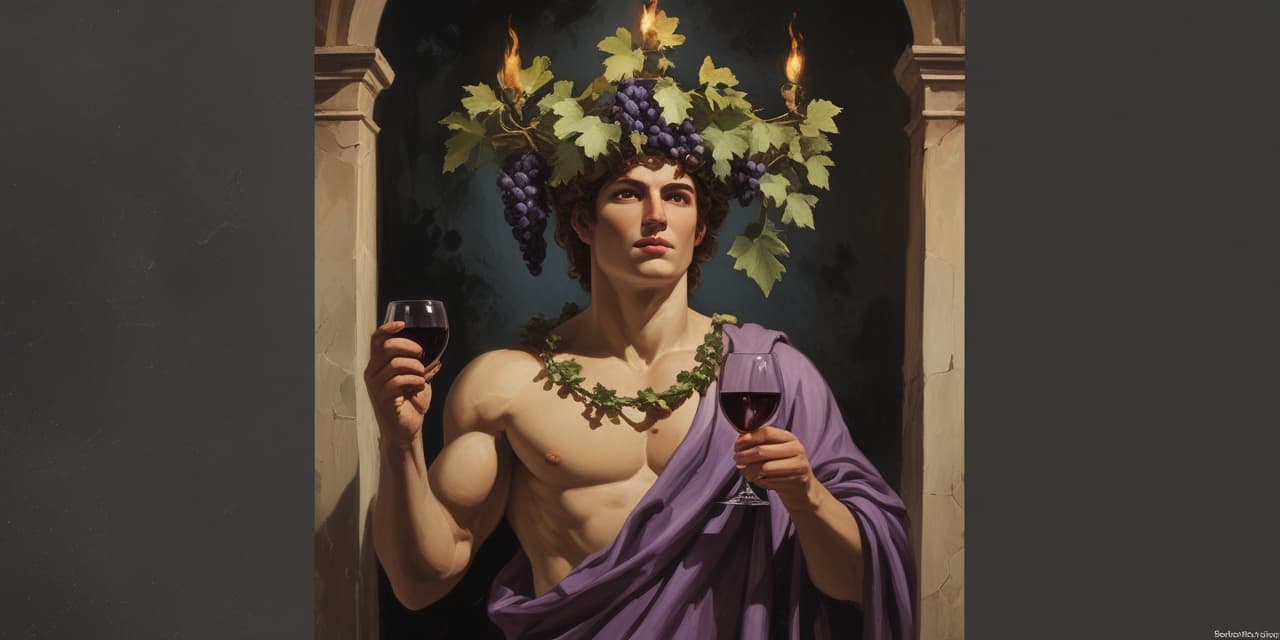
- Dionysus — god of wine, ecstasy and theatre
The Olympians won their place through the Titanomachy, a ten-year war against Cronus and the elder Titans. Zeus freed the monstrous Cyclopes and Hecatoncheires from their imprisonment in Tartarus in exchange for their aid, and it was the Cyclopes' thunderbolts and the Hecatoncheires' overwhelming strength that finally turned the war in the young gods' favor, according to accounts of the conflict drawn from Hesiod's Theogony. Victorious, the brothers Zeus, Poseidon and Hades drew lots for the sky, sea and underworld, while their sister Demeter, and later a second generation of children, filled out the divine court on the mountain.
Once established, the Olympians governed both the natural world and human affairs, meeting in council, feasting on nectar and ambrosia, and repeatedly intervening — for better or worse — in the lives of mortals, from the Trojan War to the trials of Heracles. Their rivalries, romances and punishments of hubris became the backbone of Greek storytelling and remain among the most retold myths in Western culture. Explore the wider Greek pantheon for the generations that came before and after them.