"Pantheon" is a looser word here than it is for Greek or Norse mythology — there's no single surviving text that lists every Slavic god with an agreed family tree connecting them. What's grouped here reflects the strongest available evidence: the gods named together in the Primary Chronicle's account of Prince Vladimir's 980 CE pantheon in Kyiv, plus two major folk-ritual figures documented through surviving seasonal custom rather than chronicle.
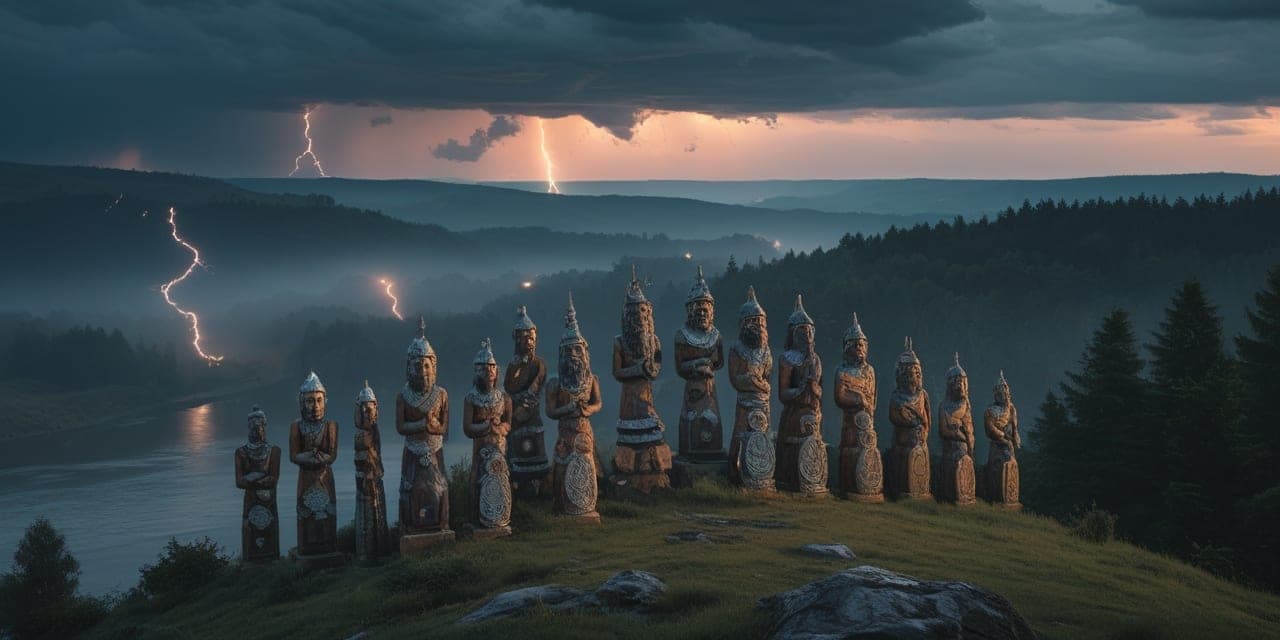
The chronicle names Perun, Dazhbog, and Mokosh among the gods installed on Vladimir's hill above the city. Veles — despite being one of the most widely attested Slavic gods in other sources, including treaty oaths — is a notable absence from that official list, a gap scholars still debate. Jarilo and Morana belong to a different kind of evidence entirely: seasonal folk ritual, some of it still practiced today, rather than any chronicle entry.
Members
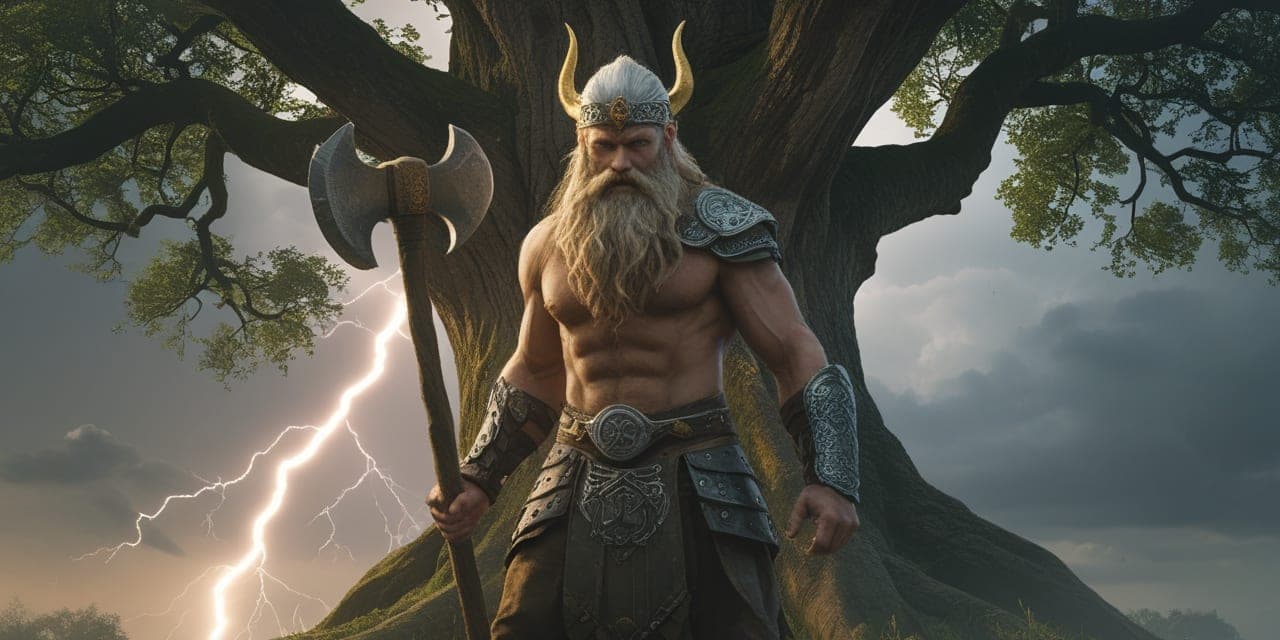
- Perun — god of thunder, war, and the sky; the pantheon's most prominent deity in Vladimir's Kyiv.
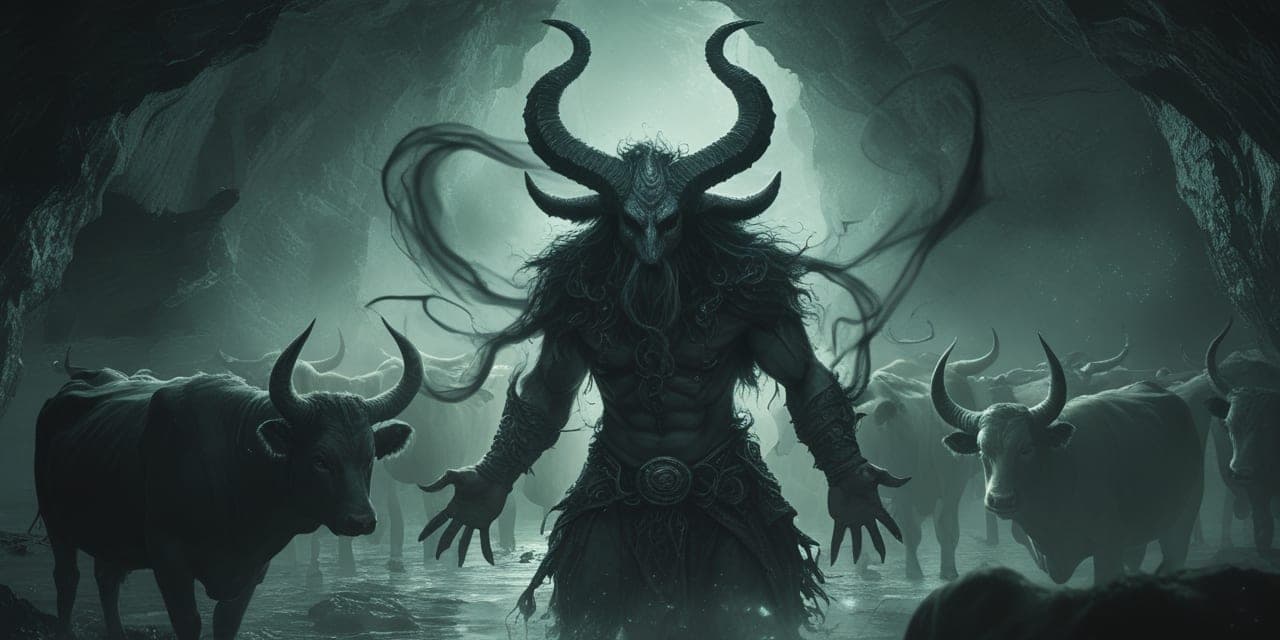
- Veles — chthonic god of cattle, wealth, magic, and the underworld.
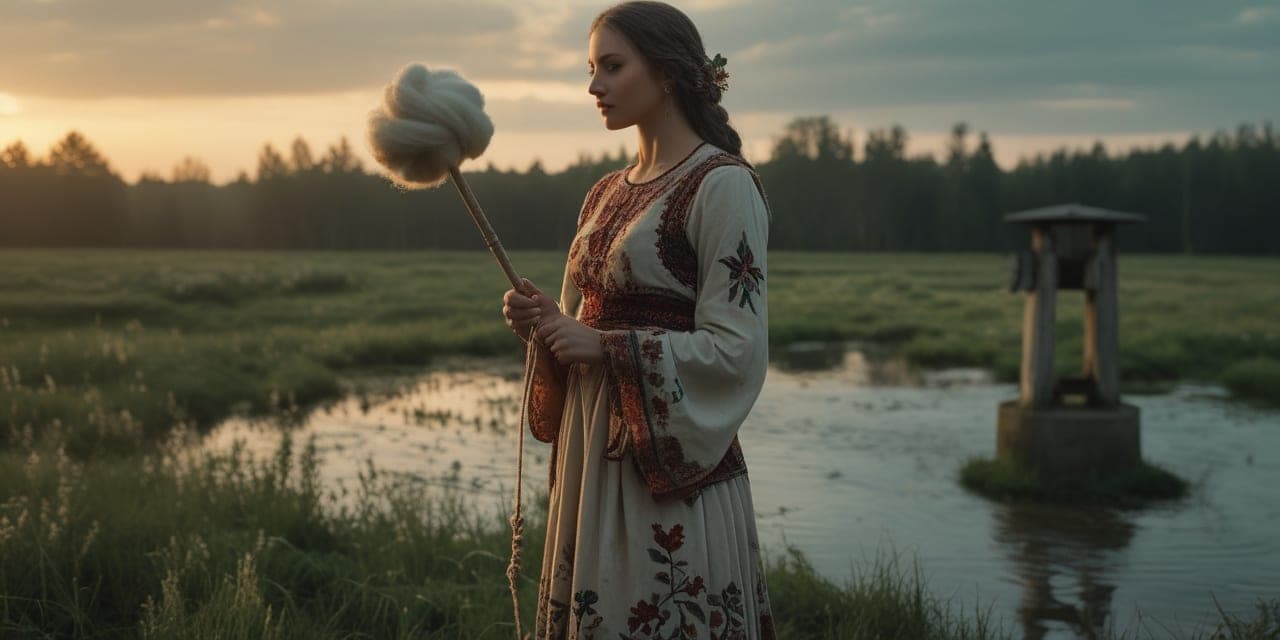
- Mokosh — goddess of earth, water, fertility, and women's work; the pantheon's only named goddess.
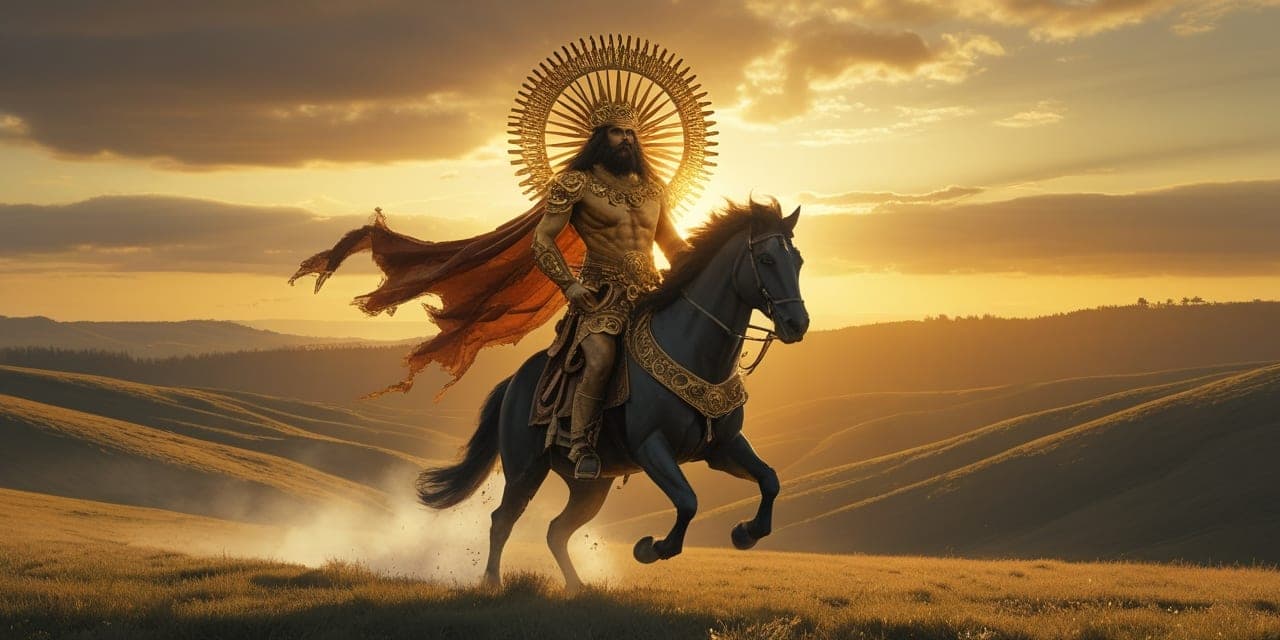
- Dazhbog — solar deity and legendary ancestor of the Rus' people.
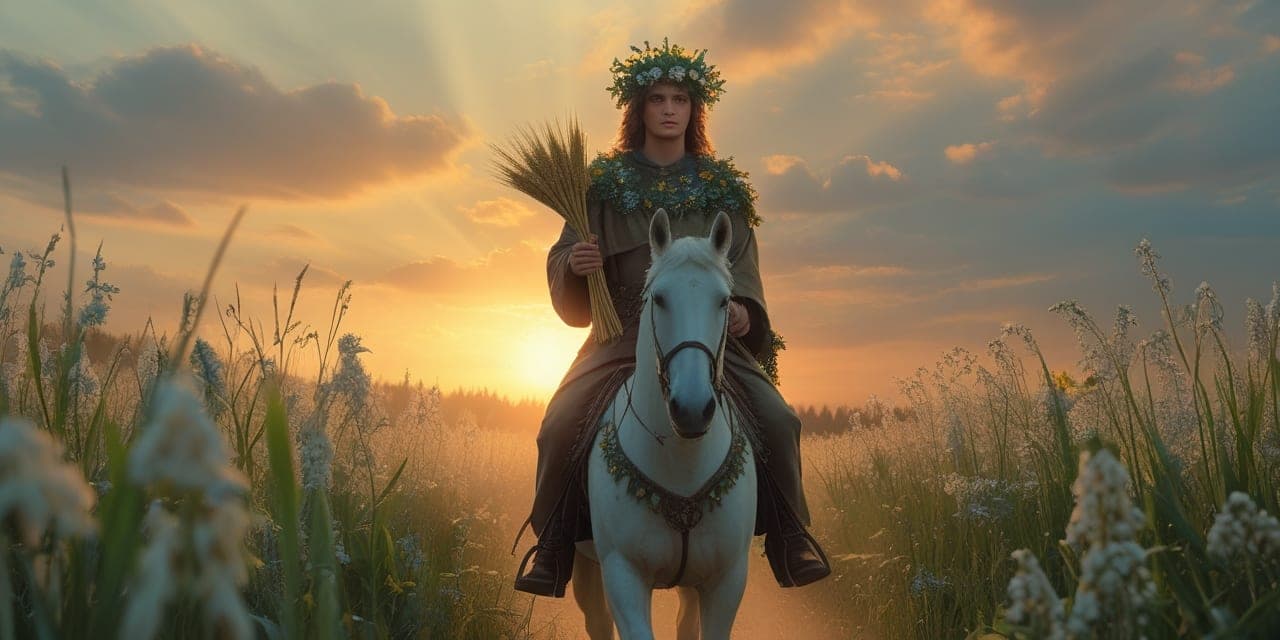
- Jarilo — god of spring, vegetation, and fertility, known chiefly through folk festival.
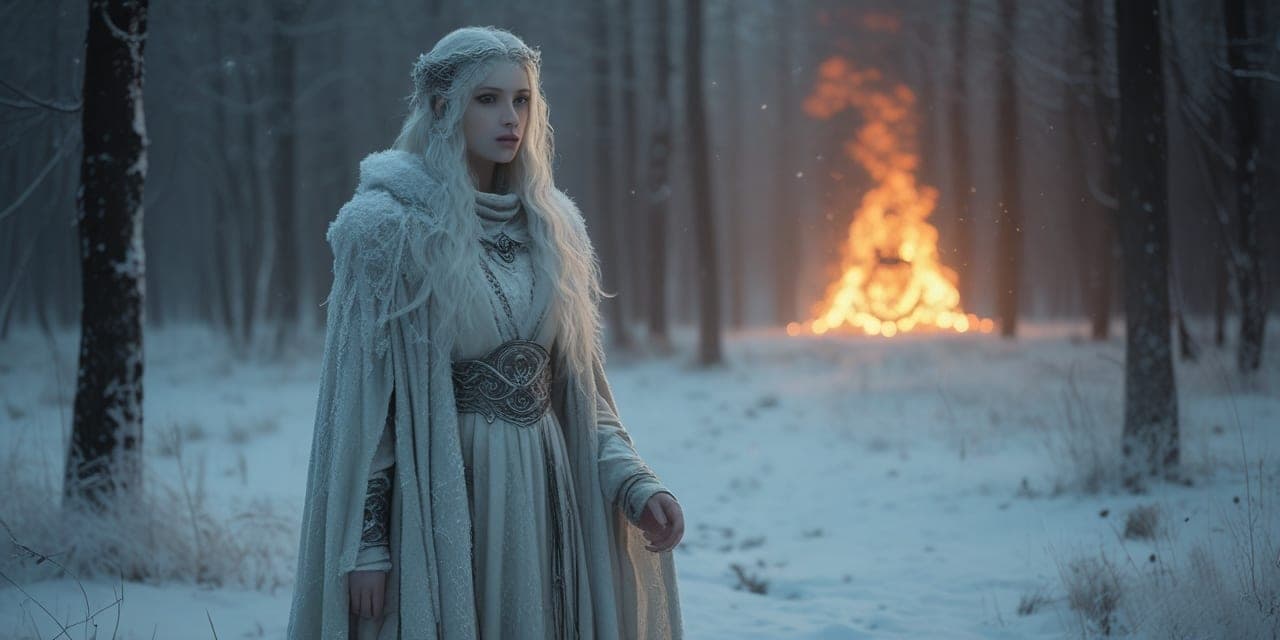
- Morana — goddess of winter and death, whose effigy is still ritually destroyed each spring.
Because so much of this pantheon is reconstructed rather than directly recorded, treat the relationships between these six gods as scholarly best estimates, not settled genealogy. Perun and Veles are popularly cast as rivals, but current scholarship is genuinely split on whether that reflects an ancient myth or a modern theoretical framework; Jarilo and Morana are often paired thematically as spring and winter, but no surviving ancient source states that relationship outright. Return to the Slavic mythology overview for more on how this tradition's sources compare to better-documented ones.