Slavic mythology presents a different kind of source problem than most traditions on this site. The Slavs had no equivalent of the Poetic Edda or Hesiod's Theogony — their own priests and storytellers left no surviving scripture. Almost everything known comes secondhand: the 6th-century Byzantine historian Procopius describing Slavic tribes from the outside, medieval Rus' chronicles written by Christian monks after conversion, and centuries of folk ritual that scholars use to work backward toward the beliefs behind them.
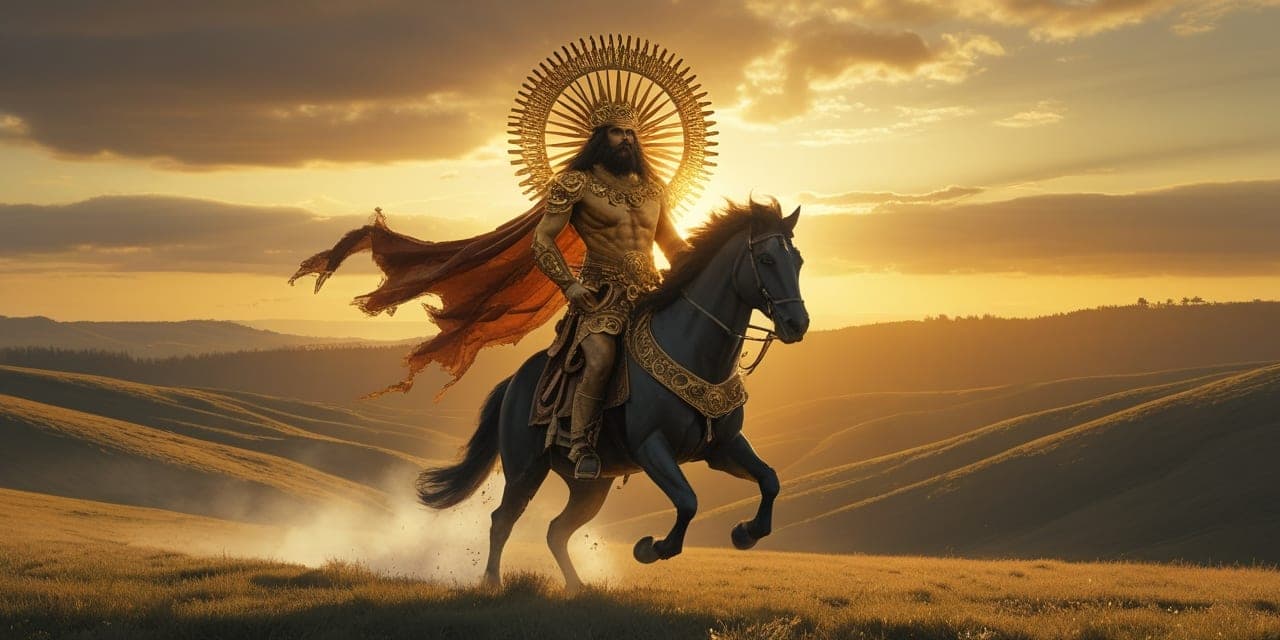
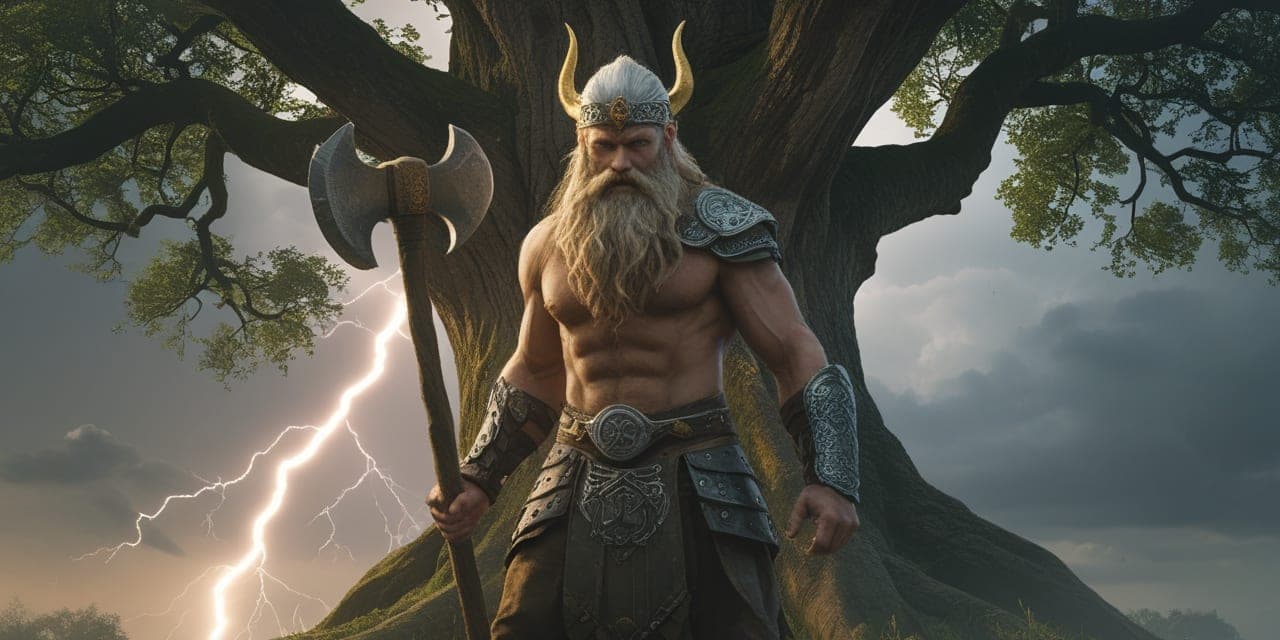
The single most important primary source is the Primary Chronicle, compiled around 1111 in Kyiv, which records that Prince Vladimir the Great erected idols to several gods on a hill above the city in 980 CE — including Perun, Dazhbog, and Mokosh — shortly before abandoning them entirely for Christianity in 988. That single historical snapshot anchors much of what's confidently known.
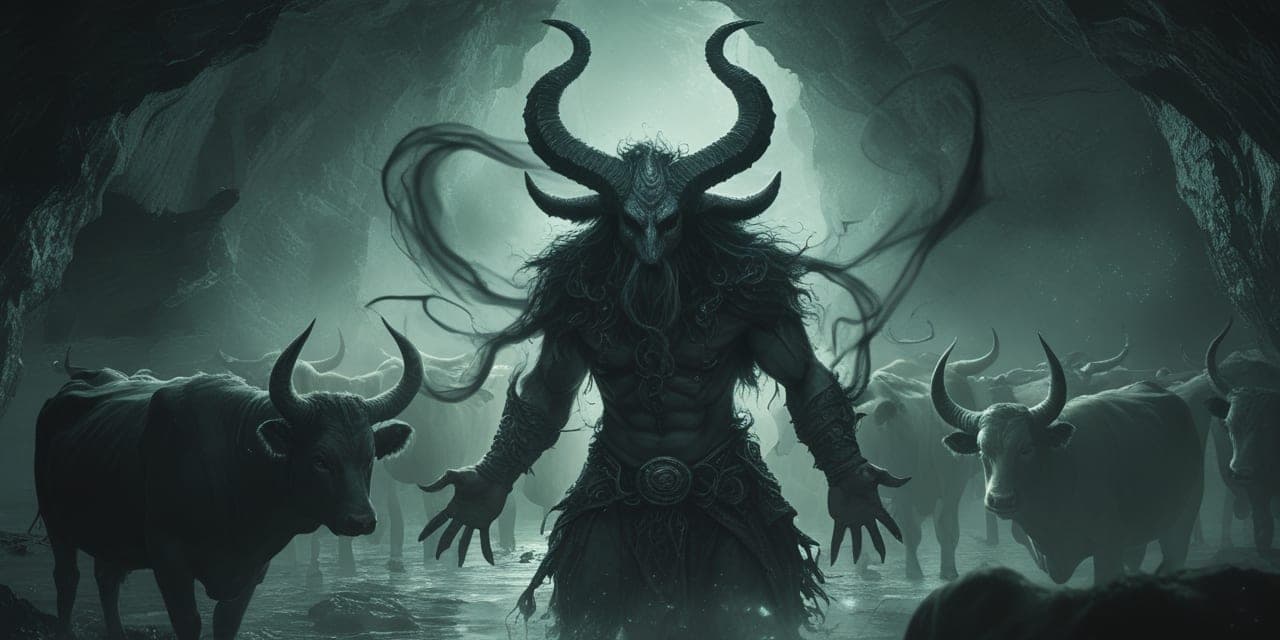
Notably absent from Vladimir's official pantheon is Veles, god of cattle, wealth, and the underworld, despite being one of the most widely attested Slavic gods elsewhere — a gap scholars still debate, since his cult seems to have been strong among merchants and common people even if it wasn't part of the prince's state religion.
Alongside these named gods, a rich layer of seasonal folk ritual survives independently of any chronicle — most famously the spring rites around Jarilo and Morana, where villages still ceremonially destroy a winter effigy today, in living practice rather than reconstructed theory.
Because so much has to be inferred rather than read directly from ancient texts, scholars disagree sharply on details — how the gods related to one another, whether a "cosmic battle" between Perun and Veles ever really existed as a formal myth, even which spellings and regional names refer to the same deity. Where this section notes that a theory is disputed or reconstructed rather than directly attested, that's a real and important distinction in Slavic studies, not a stylistic hedge (see the Wikipedia overview of Slavic paganism for a fuller discussion of the source problem).
Common Questions
Why is so little known about Slavic mythology compared to Greek or Norse myth?
The Slavs left no native scripture of their own — nearly everything that survives comes from outside observers, later Christian chronicles, and folk customs, rather than from texts written by believers themselves.
Who was Vladimir the Great and why does he matter here?
He was the Prince of Kyiv who, in 980 CE, erected official idols to a handful of gods including Perun and Mokosh — then converted to Christianity in 988 and had them destroyed. The chronicle account of his pantheon is one of the few solid historical anchors for reconstructing Slavic religion.
Did Perun and Veles really fight a cosmic battle?
It's a popular and widely repeated theory, but modern scholarship is split — some researchers see real evidence of a Perun-versus-Veles conflict myth, while others argue the two gods were more likely complementary than adversarial. This page notes that disagreement rather than presenting the battle as settled fact.