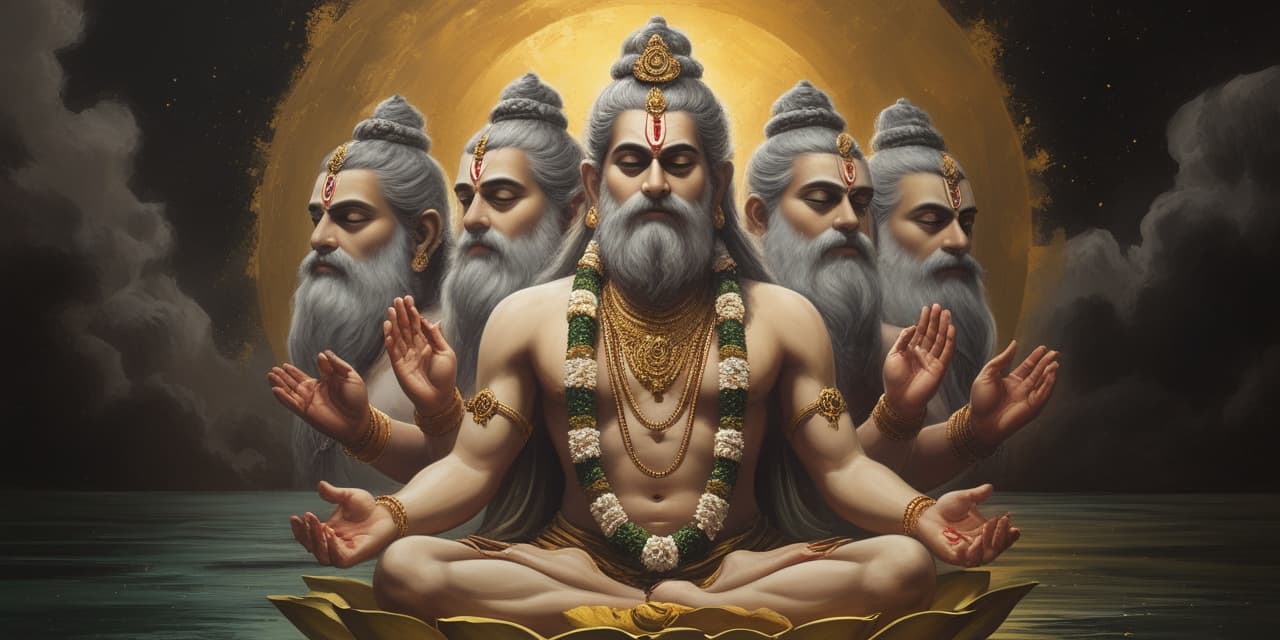
Hindu mythology is one of the world's oldest continuous traditions, drawing on the Vedas, the epics Ramayana and Mahabharata, and the Puranas. Its central cosmic principle is the cycle of creation, preservation, and dissolution, personified in the three great gods of the Trimurti.
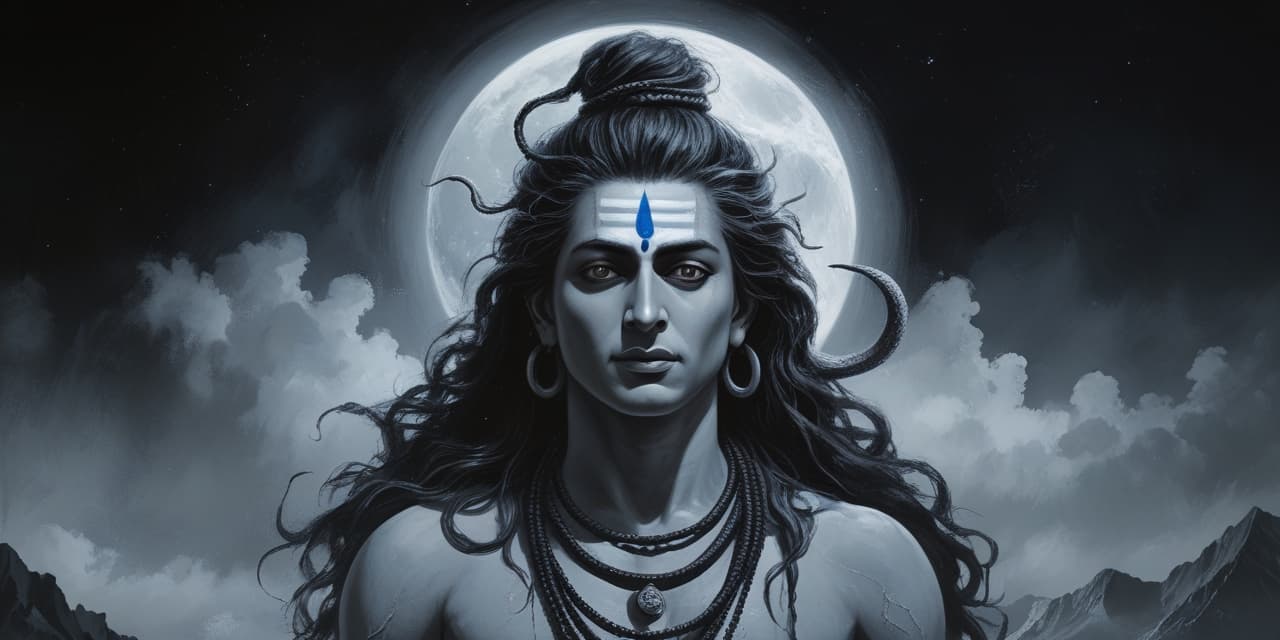
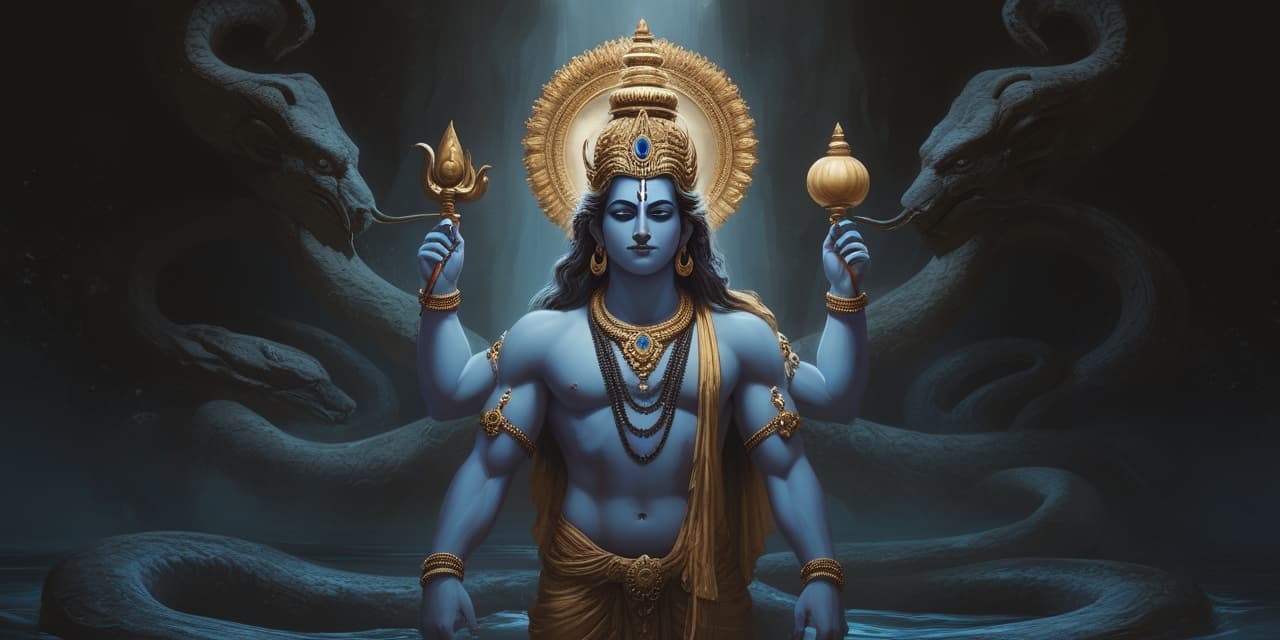
These three roles belong to Brahma the creator, Vishnu the preserver, and Shiva the transformer. Each is paired with a goddess whose power, or shakti, makes divine action possible.
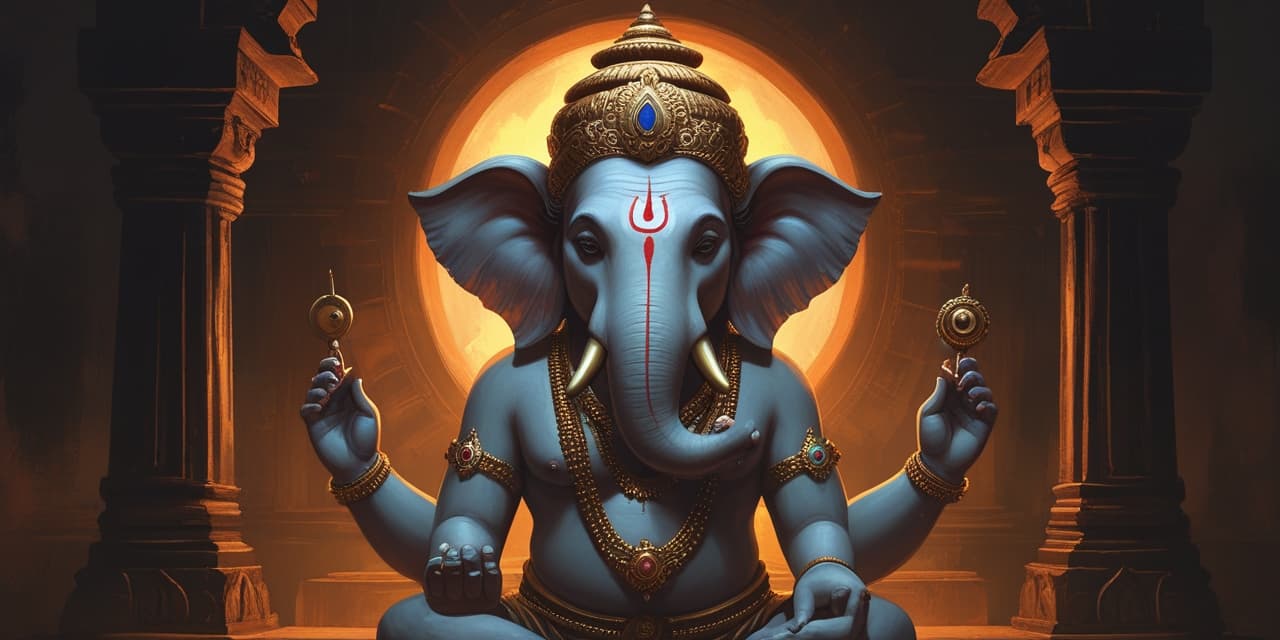
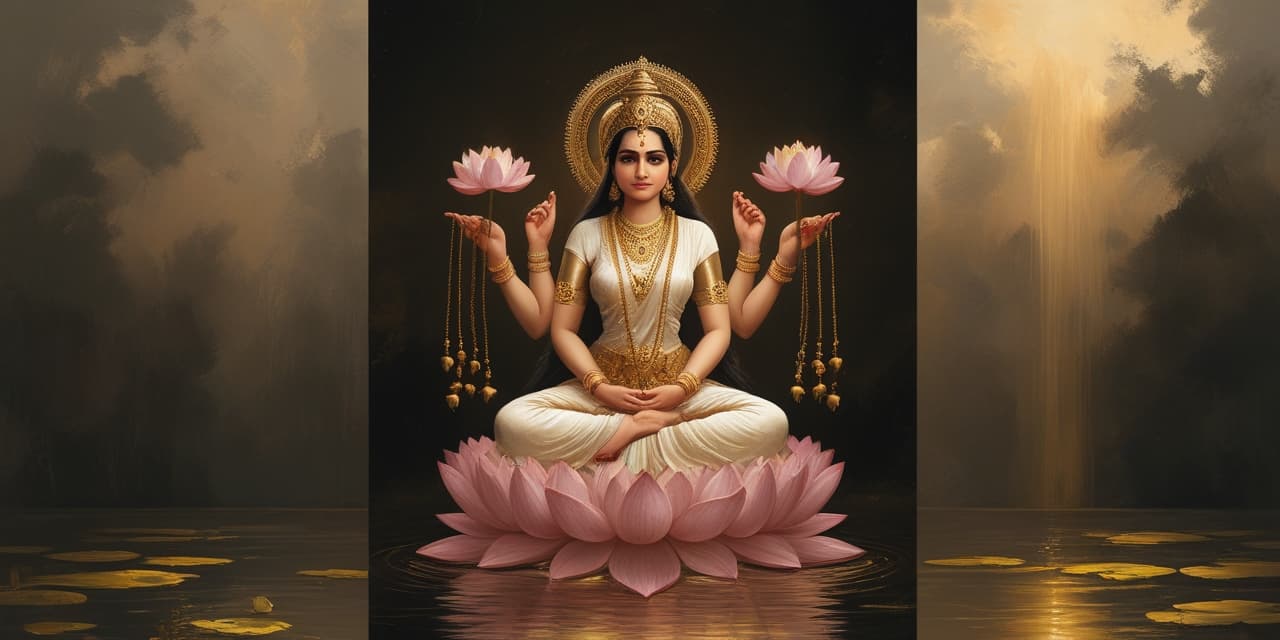
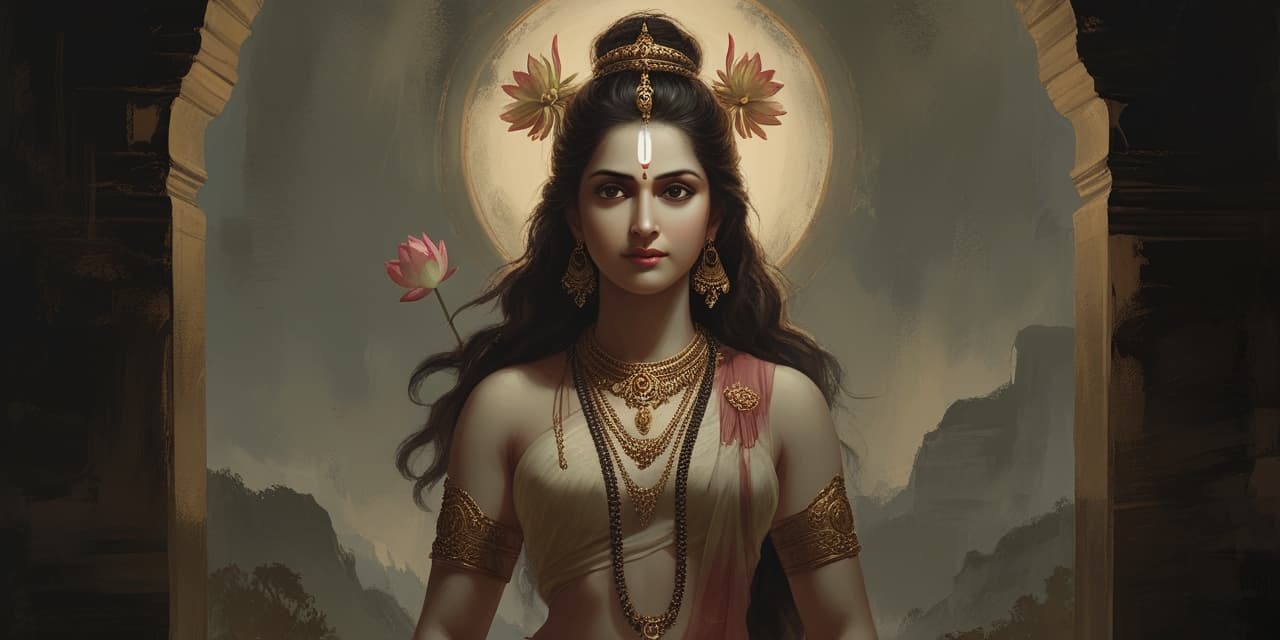
Beyond the great gods stand beloved deities such as the fortune-bringing Lakshmi, the fierce mother Parvati, and the elephant-headed Ganesha, remover of obstacles. Together they form a pantheon worshipped daily across the Hindu world.
Unlike traditions built on a single closed scripture, Hindu mythology draws on a vast, layered library assembled over more than three thousand years. The oldest layer is the four Vedas — Rig, Sama, Yajur, and Atharva — collections of hymns, chants, and ritual formulas addressed to early gods like Indra and Agni. Centuries later, the eighteen major Puranas set down the fuller stories of Brahma, Vishnu, and Shiva known today, while the two great epics, the Ramayana and the Mahabharata, dramatize divine avatars acting directly in human affairs; the Mahabharata alone contains the Bhagavad Gita, a philosophical dialogue between the warrior Arjuna and Krishna that remains one of Hinduism's most quoted texts (see Britannica's overview of Hinduism).
This mythology is not confined to texts read in isolation — it is lived daily through puja, the ritual worship of a deity's image at home shrines and temples, and through a calendar of festivals such as Diwali, Navaratri, and Holi that reenact its central stories. Regional traditions emphasize different figures within the same shared framework: Shaivism centers on Shiva, Vaishnavism on Vishnu and his avatars, and Shaktism on the Goddess in her many forms. The tradition's influence now extends well beyond India, shaping global practices like yoga and meditation and sustaining a worldwide diaspora that carries these stories forward (see the Wikipedia overview of Hindu mythology for further reading and source citations).
Common Questions
What are the primary sacred texts of Hindu mythology?
The four Vedas form the oldest layer, followed by the Puranas and the epics Ramayana and Mahabharata, which together supply most of the stories told about gods like Vishnu and Shiva.
Is Hindu mythology polytheistic or monotheistic?
Both readings coexist: many deities are worshipped individually, yet philosophical traditions describe them as manifestations of a single underlying reality, Brahman, expressed through figures such as the Trimurti.
How old is Hindu mythology?
Its earliest layer, the Rigveda, dates to roughly 1500 BCE, making it one of the oldest continuously practiced religious traditions in the world, with later Puranic and epic material added over the following two millennia.