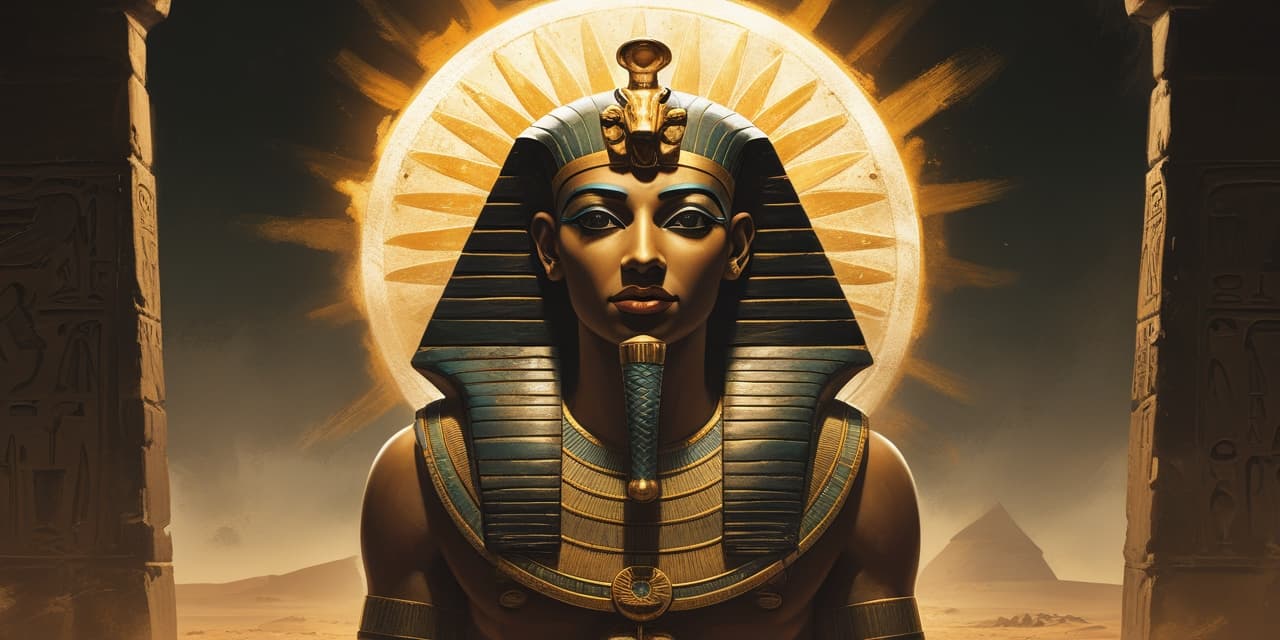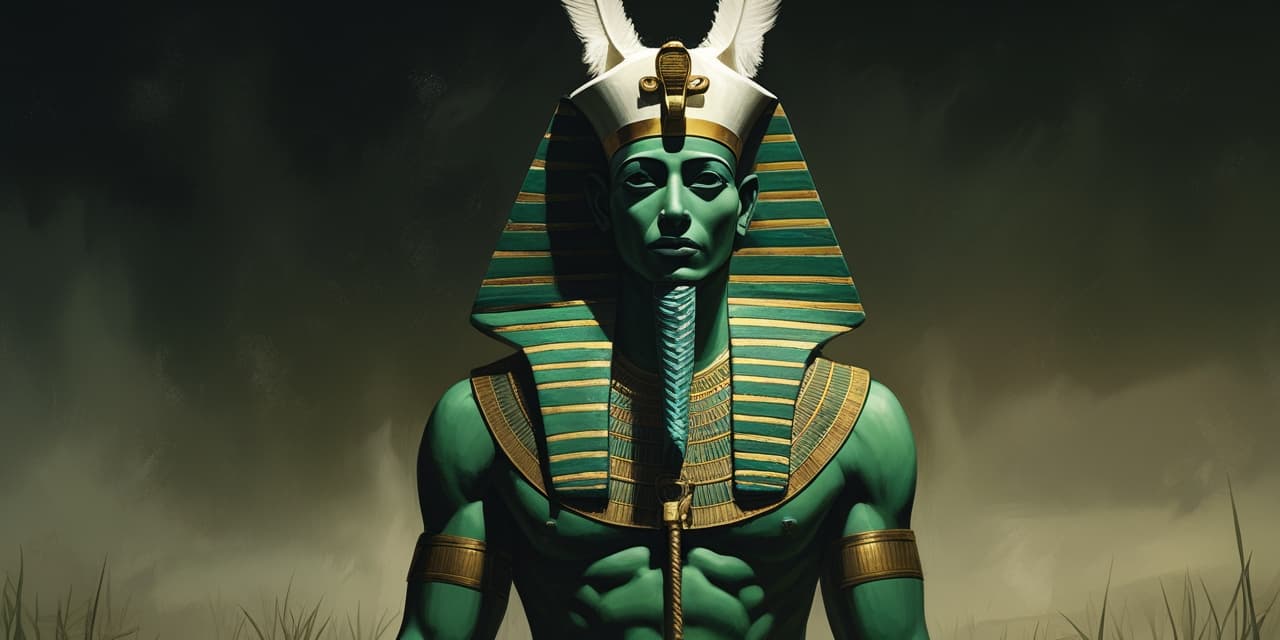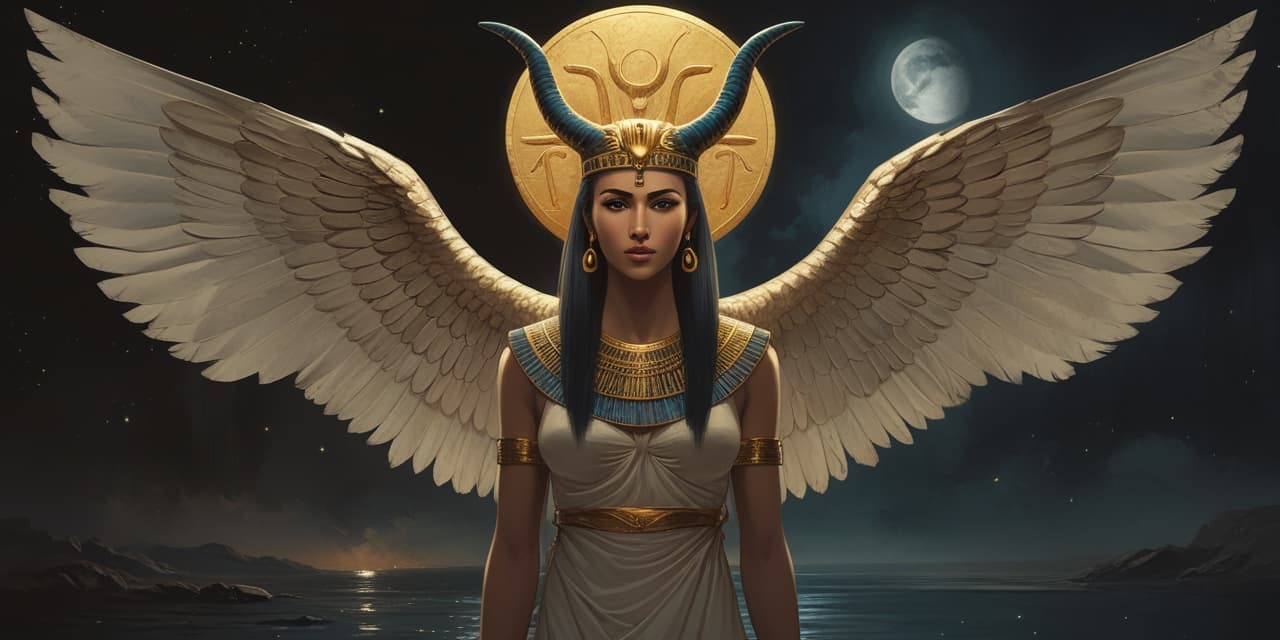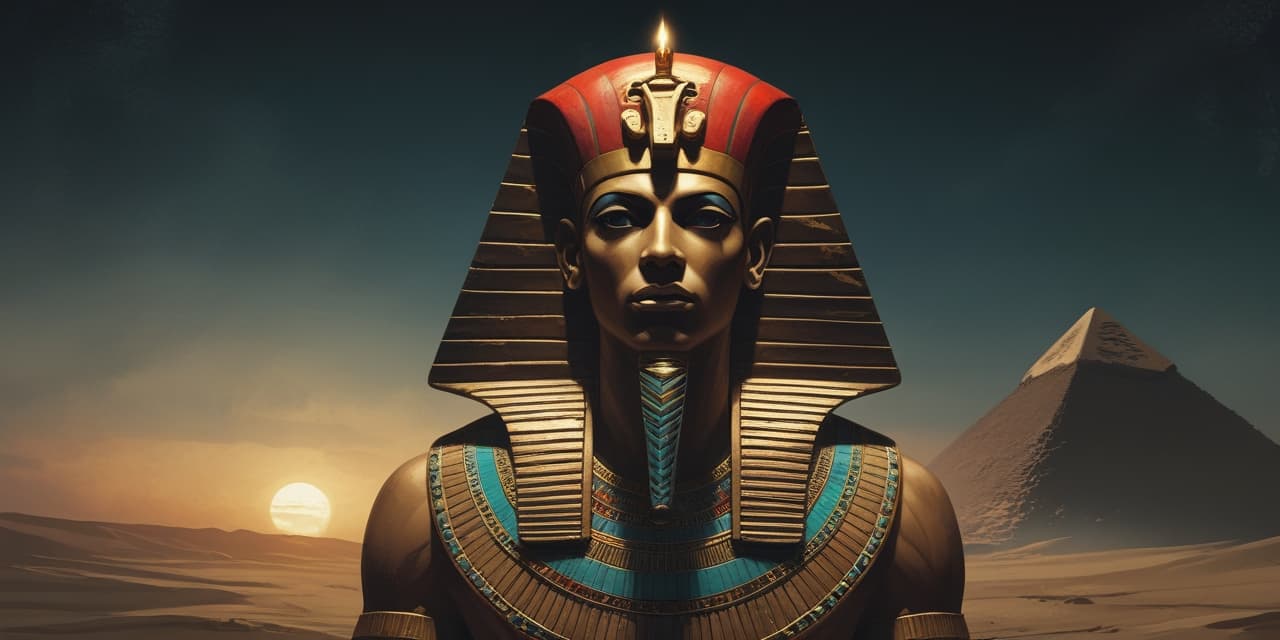
The Ennead of Heliopolis is Egypt's foundational pantheon, a family of nine gods tracing back to the self-created sun Ra. From Ra came the air and moisture, who bore the earth god Geb and the sky goddess Nut. Their children — Osiris, Isis, Set, and Nephthys — became the central actors of Egyptian myth.
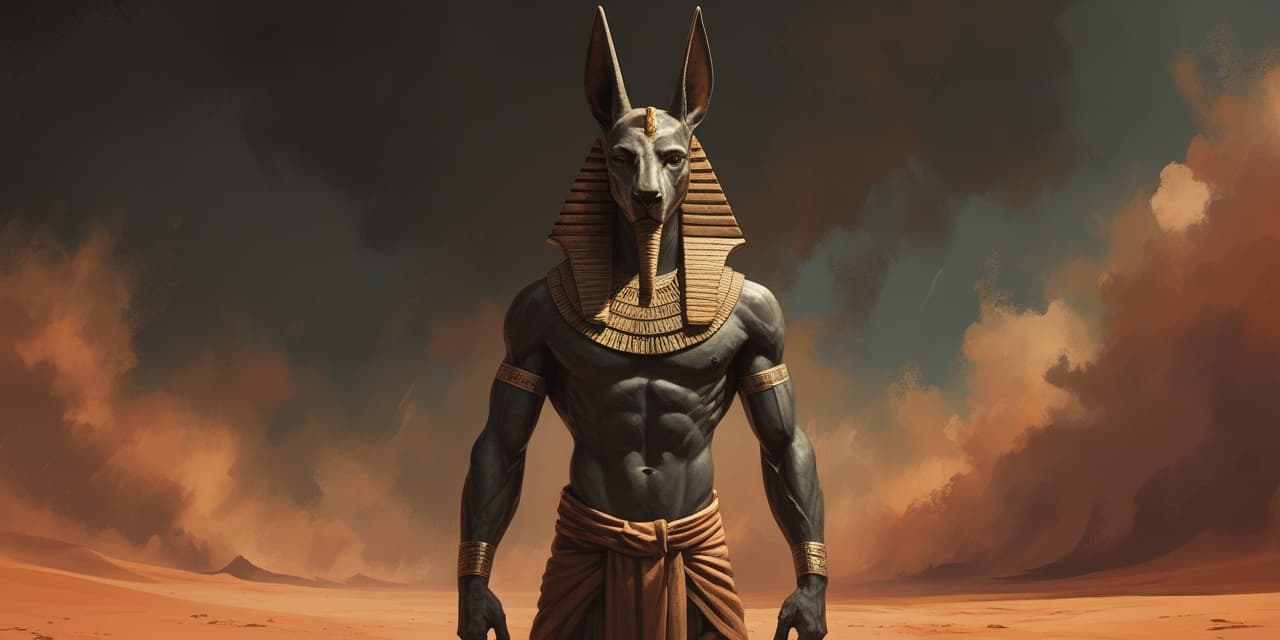
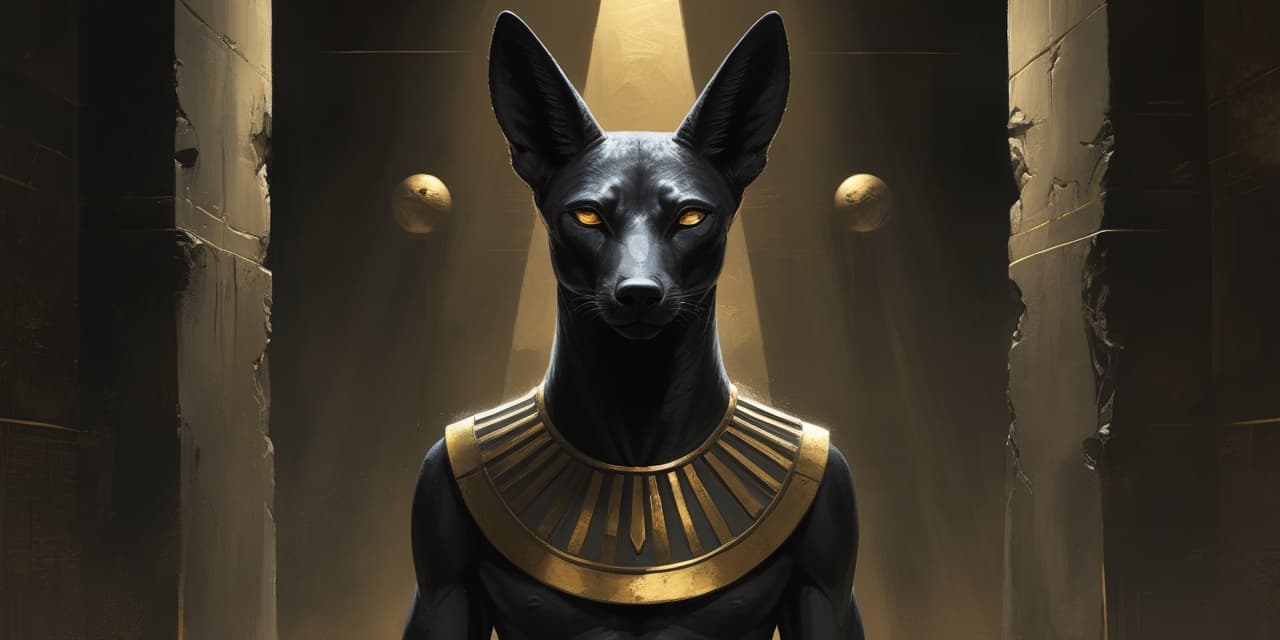
From these siblings descended the next generation: Horus, son of Osiris and Isis and divine model of every pharaoh, and Anubis, the jackal-headed guardian of the dead. Together their stories of murder, magic, judgment, and rebirth defined how Egyptians understood kingship, the cosmos, and the eternal life that awaited beyond the tomb.
Members
- Ra — the self-created sun god and first king, root of the entire Ennead
- Osiris — the murdered king who becomes ruler of the afterlife
- Isis — goddess of magic who restores Osiris and raises Horus
- Set — god of chaos and the desert, Osiris's murderer
- Horus — falcon god of kingship, son of Osiris and Isis
- Anubis — jackal-headed guardian of mummification and judgment
The complete Heliopolitan genealogy actually runs nine gods deep, beginning with Atum — later merged with Ra as the self-created creator who rose on the first mound out of the primordial waters of Nun. Atum-Ra's own breath and spittle produced the first divine couple, Shu, god of air, and Tefnut, goddess of moisture; their union produced Geb, the earth, and Nut, the sky, whom Ra was said to have forced apart so that light could reach the world. It is Geb and Nut's four children — Osiris, Isis, Set, and Nephthys — who round out the family, and whose rivalries supply nearly every major Egyptian myth, a lineage traced in detail in Wikipedia's entry on the Ennead.
The Ennead's stories interlock into a single continuous narrative: Set's murder of Osiris, Isis's search for his body and his revival, Horus's birth and his decades-long fight with Set for the throne, and Anubis's invention of mummification along the way. Priests at Heliopolis ranked the nine as a formal college of gods, but the family's real influence came through this shared myth cycle, which shaped Egyptian ideas about legitimate kingship, the moral order of maat, and the promise of life after death across the whole of Egyptian mythology.