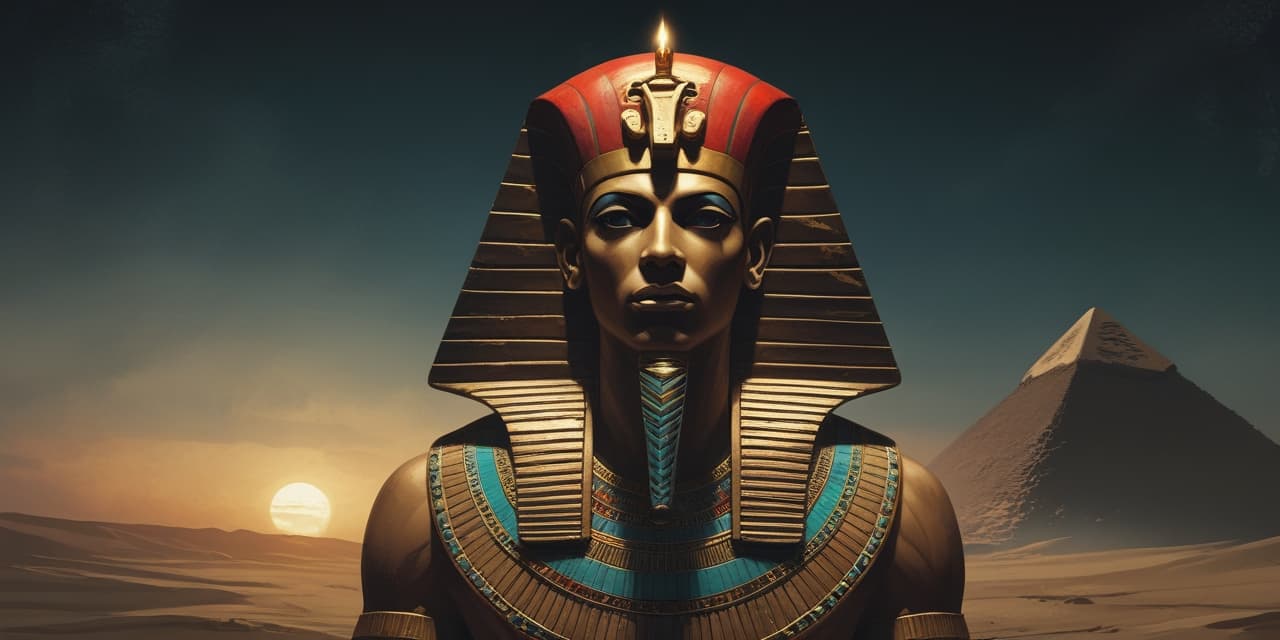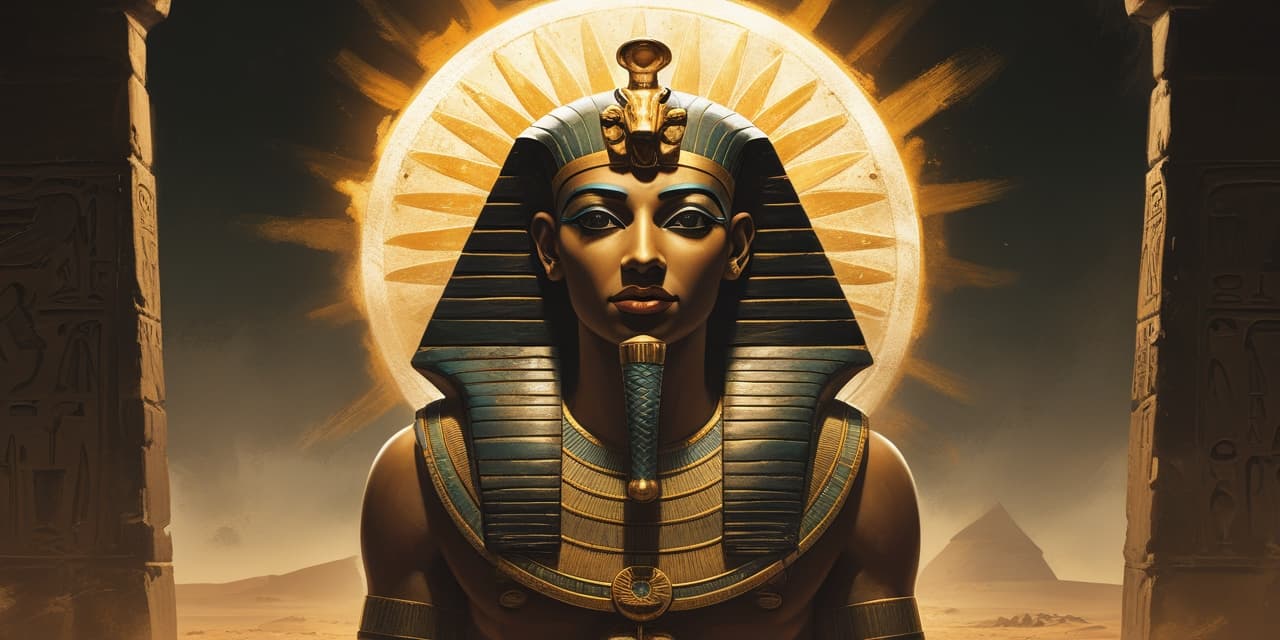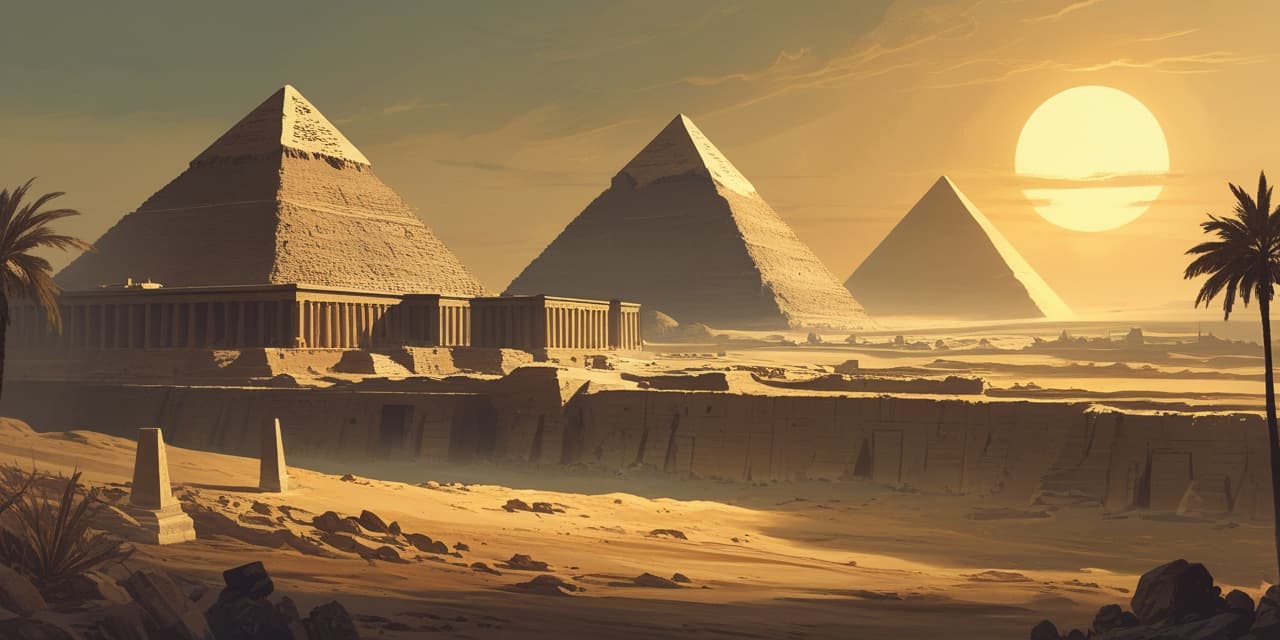
Egyptian mythology centers on maat, the cosmic balance the gods worked to preserve against chaos. The sun god Ra sailed his solar barque across the sky each day and battled the serpent of darkness each night, embodying the eternal renewal that defined Egyptian belief.
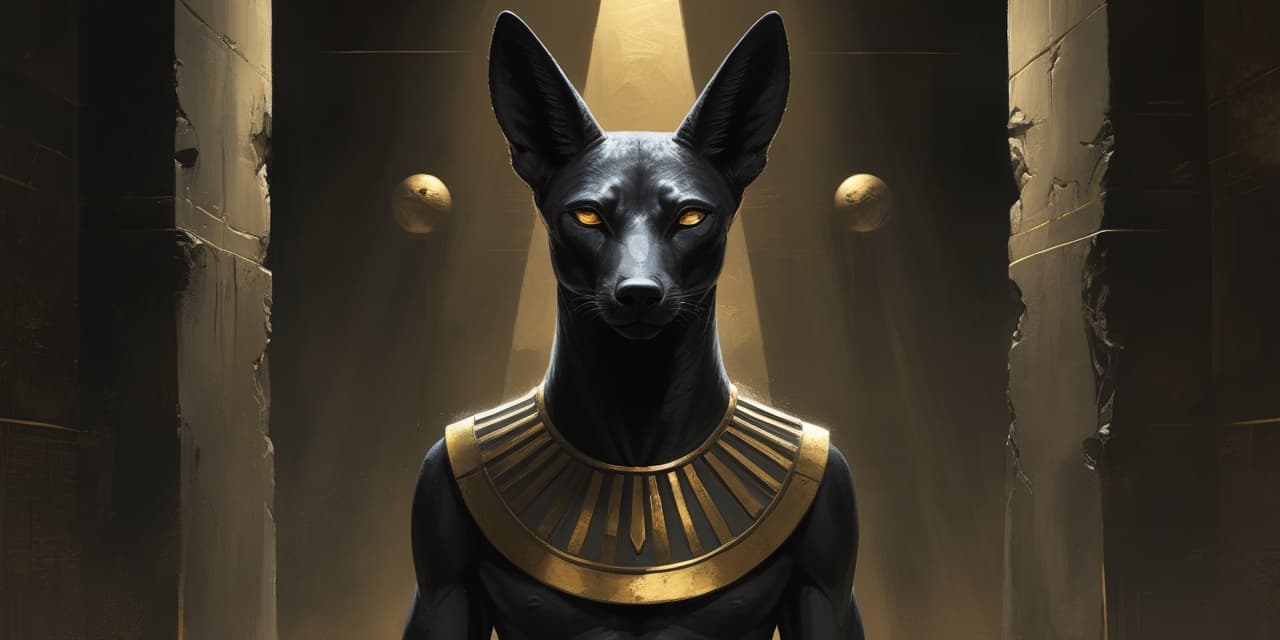
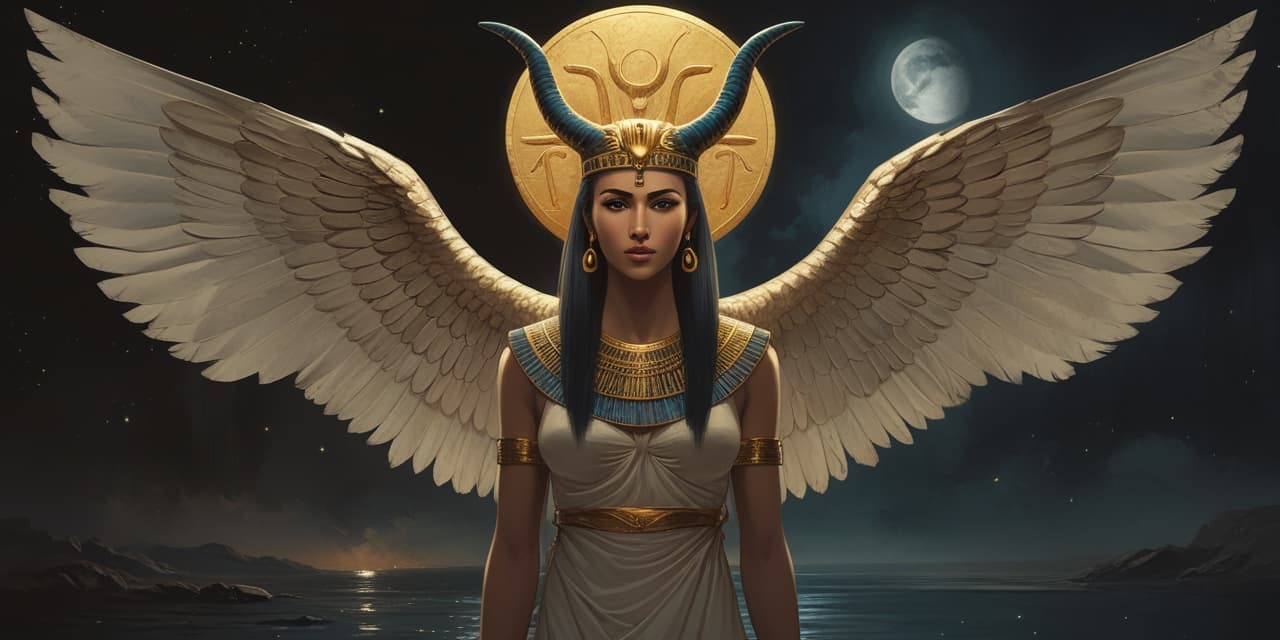
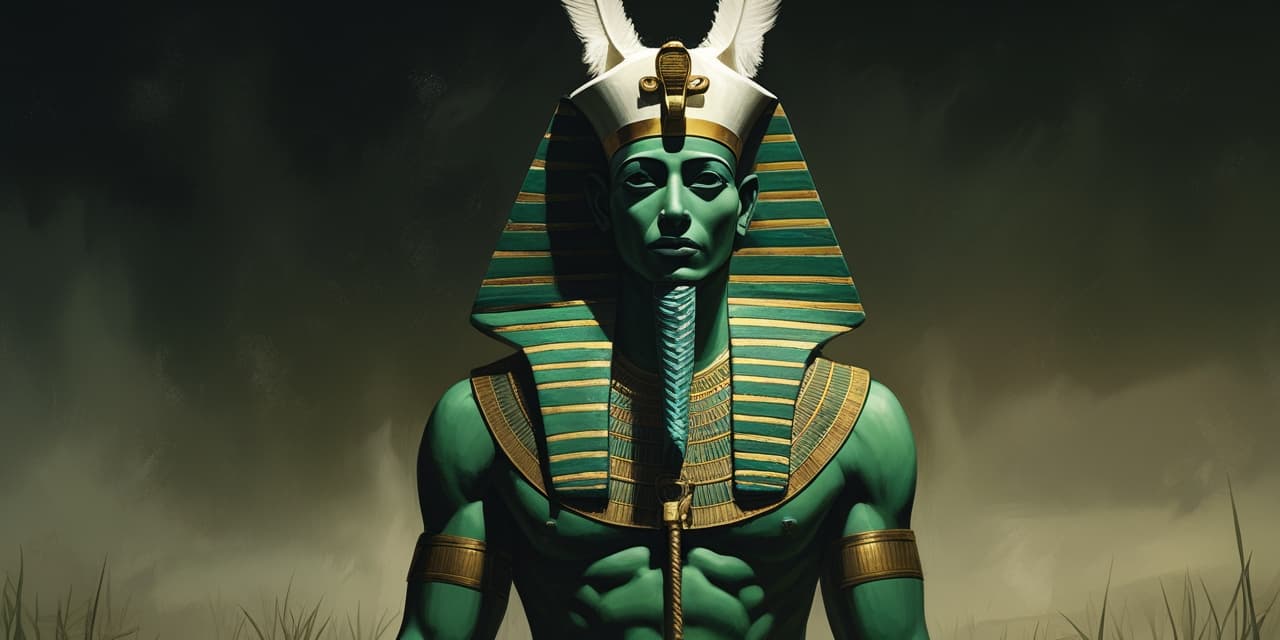
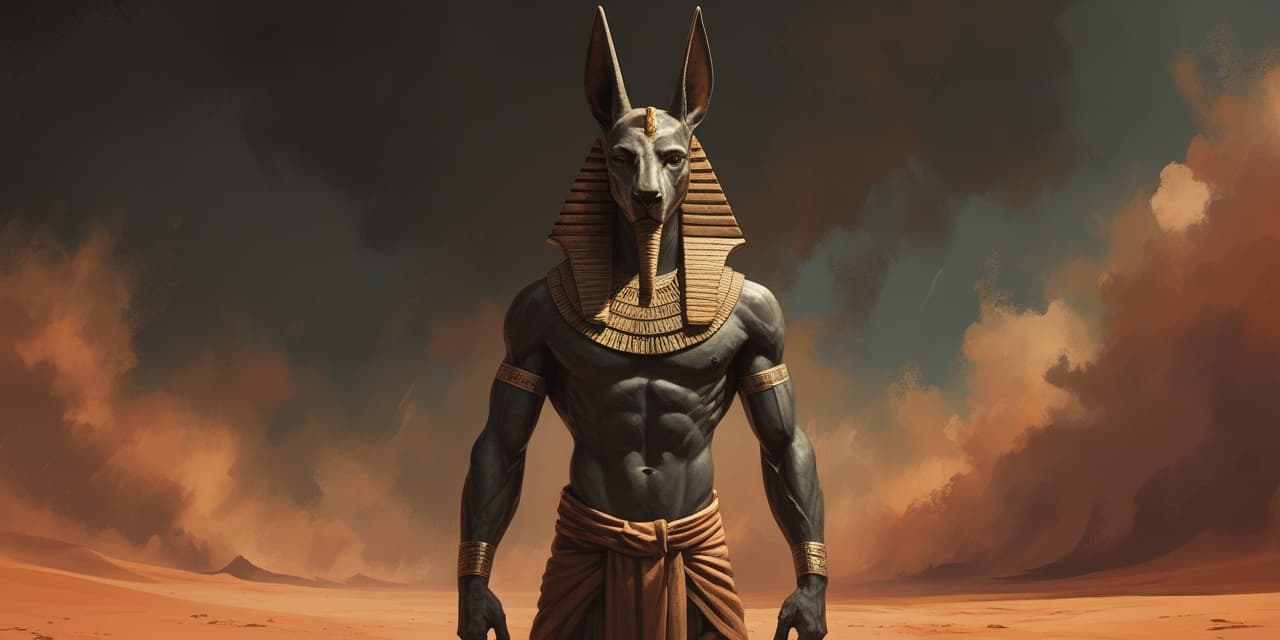
The grandest story belongs to Osiris, the king murdered by his jealous brother Set and restored by his devoted wife Isis to reign over the dead. From this myth came Egypt's promise of resurrection and its deep concern with proper burial and judgment in the afterlife, overseen by their son Horus and the embalmer god Anubis.
These deities and their kin belong to the Ennead, the founding pantheon of Heliopolis whose generations link sky and earth to the gods of kingship and the tomb.
Much of what survives comes from a written record spanning nearly three thousand years: the Old Kingdom Pyramid Texts carved inside royal tombs, the Middle Kingdom Coffin Texts painted on private sarcophagi, and the New Kingdom funerary rolls collectively known as the Book of the Dead. Together these spells, hymns, and instructions for the afterlife preserve the genealogies and rituals of gods like Ra and Osiris across dozens of dynasties, and modern Egyptology continues to lean on them alongside temple inscriptions and tomb paintings, as summarized in the Britannica overview of ancient Egyptian religion.
Worship centered on monumental stone temples — Karnak and Luxor at Thebes, Abydos and Philae further south — where priests carried out daily rites of waking, washing, clothing, and feeding the cult statue believed to house a god's living presence. Ordinary Egyptians rarely entered these inner sanctuaries; they met the gods instead through public festivals, such as the Opet procession at Thebes, and through household shrines and amulets invoking protective deities like Isis and Anubis. Belief in a life beyond death, judged by Osiris with the help of Anubis's scales, drove enormous investment in mummification, tomb architecture, and funerary goods meant to sustain the soul forever — a preoccupation that produced most of what survives from ancient Egypt today.
Common Questions
What does maat mean in Egyptian mythology?
Maat is the concept of cosmic order, truth, and justice that the gods and the pharaoh were bound to uphold against isfet, or chaos; it's also personified as a goddess whose feather weighed against the heart of the dead in judgment.
Which gods make up the Ennead?
The nine gods of Heliopolis are Atum (later merged with Ra), Shu, Tefnut, Geb, Nut, Osiris, Isis, Set, and Nephthys — see the Ennead for the full family tree.
What happened to a soul after death in Egyptian belief?
The deceased's heart was weighed against the feather of maat before Osiris's tribunal, with Anubis overseeing the scales; a heart lighter than the feather earned eternal life in the Field of Reeds, while a heavier one was destroyed.