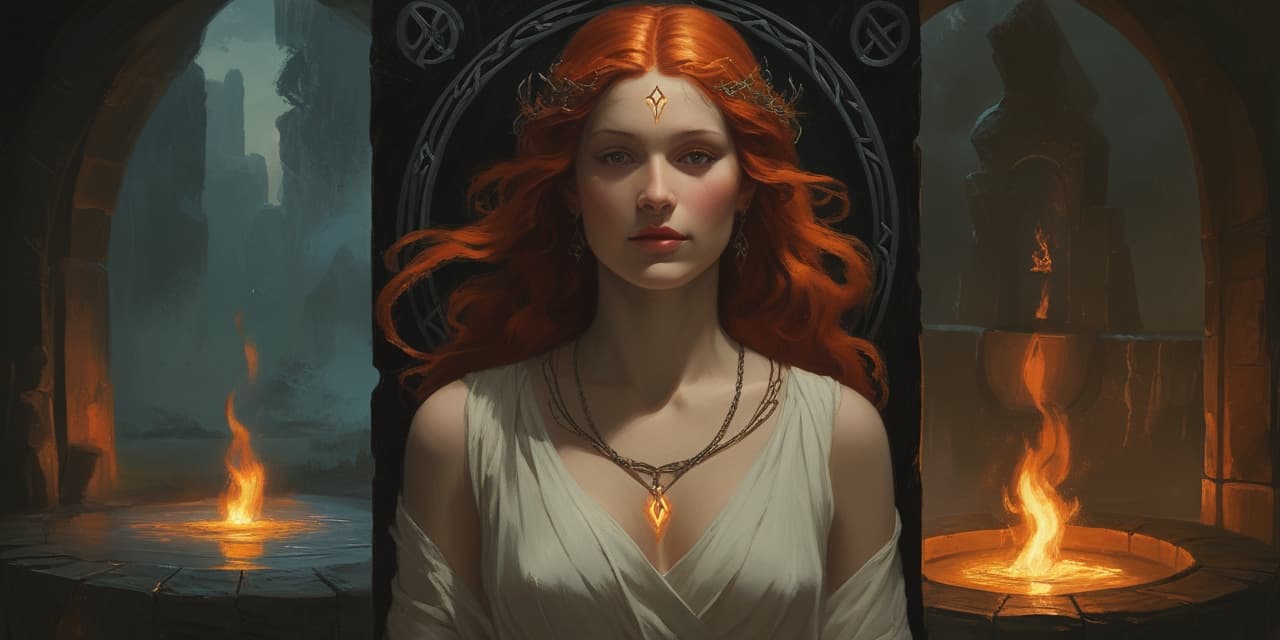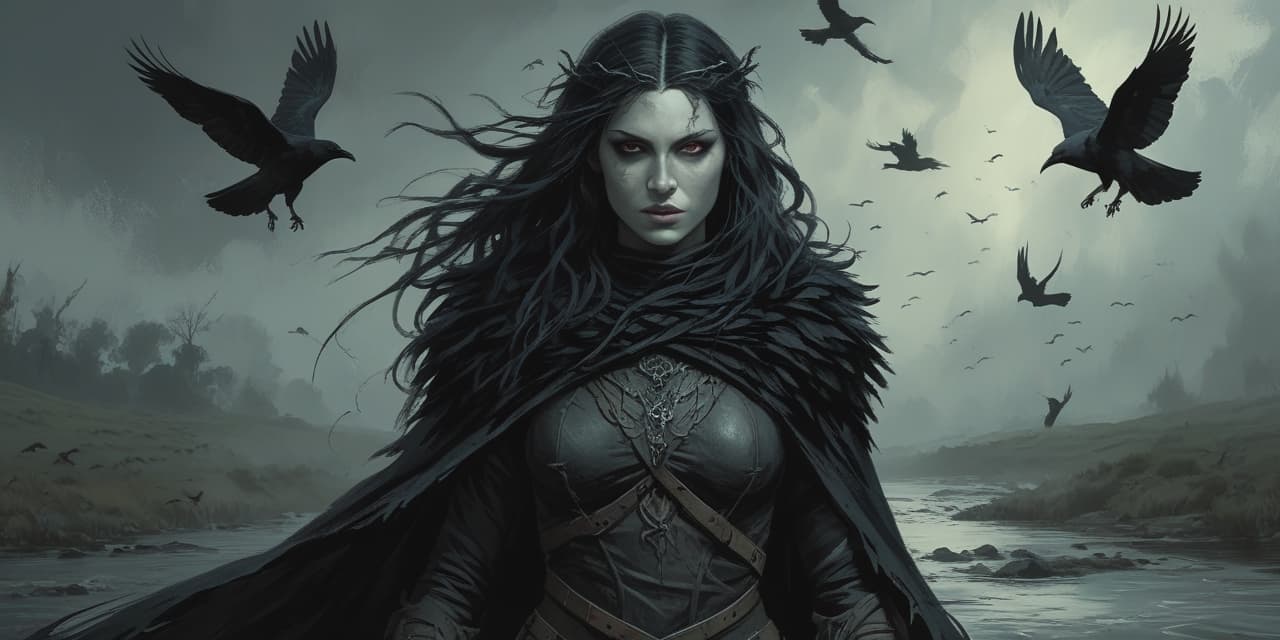
The Tuatha Dé Danann — "the people of the goddess Danu" — are the divine race at the heart of Irish mythology. They are said to have arrived in Ireland in mist and cloud, bringing four magical treasures and unrivaled skill in druidry, healing, and craft. From their ancestress Danu descend chieftains like the Dagda and the king Nuada of the Silver Hand.
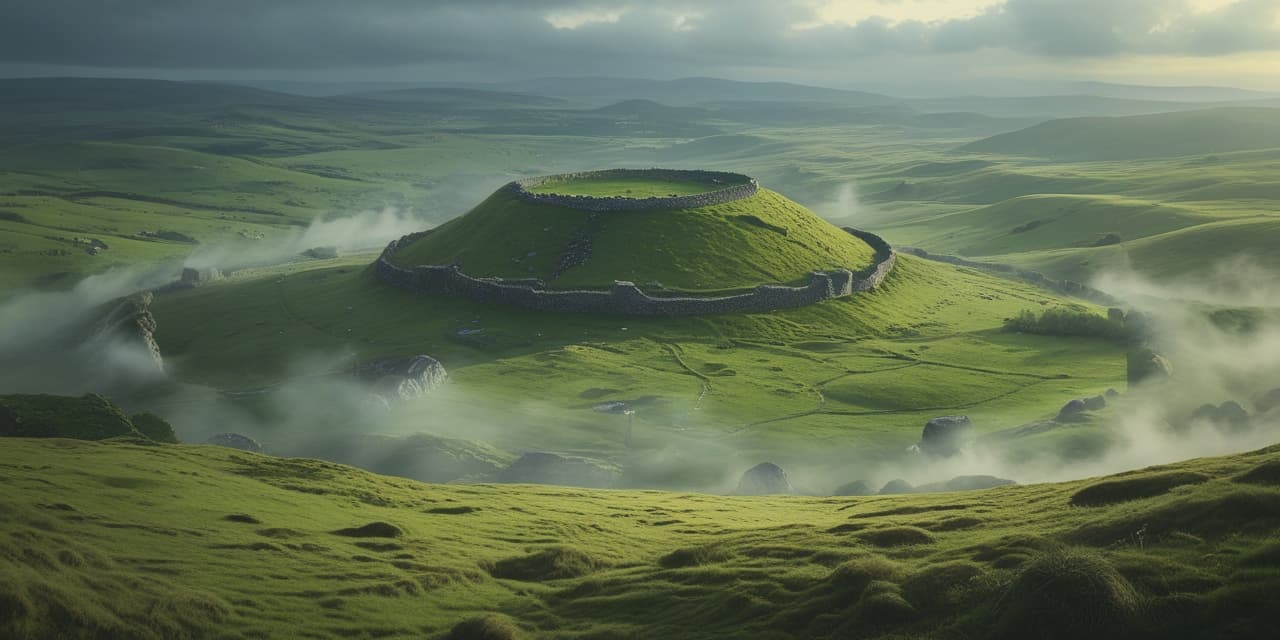
Their stories center on the great battles of Mag Tuired against the Fir Bolg and the monstrous Fomorians, where the all-skilled Lugh rose to lead them and the war-goddess the Morrigan shaped the outcome. Gentler powers like Brigid ruled poetry, healing, and the forge. When mortal peoples finally took Ireland, the Tuatha Dé Danann withdrew into the hollow hills to become the fairy folk of legend.
Members
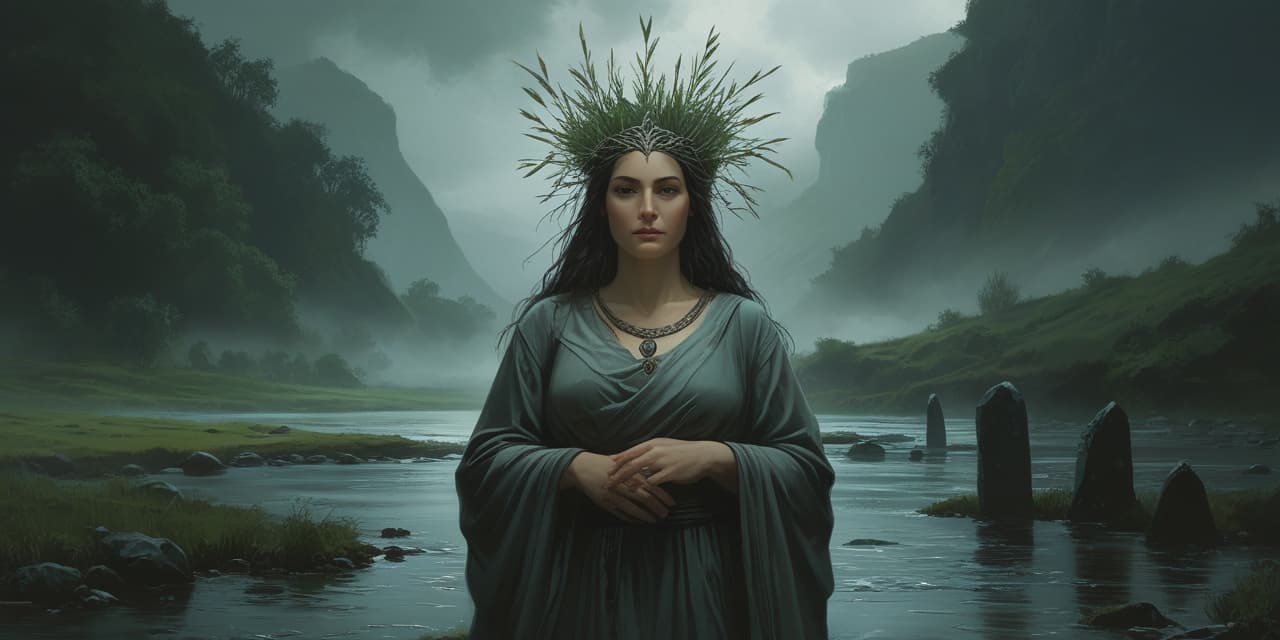
- Danu — the shadowy mother goddess and ancestress from whom the tribe takes its name
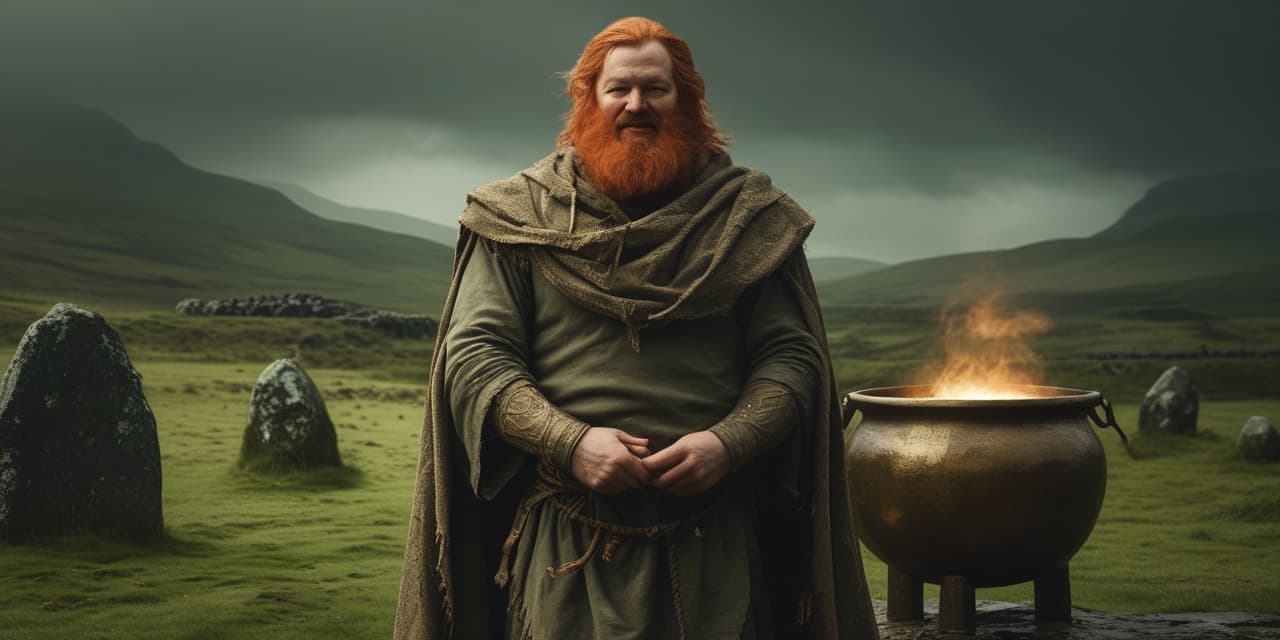
- The Dagda — the "good god," a father-figure and chieftain known for his club and bottomless cauldron
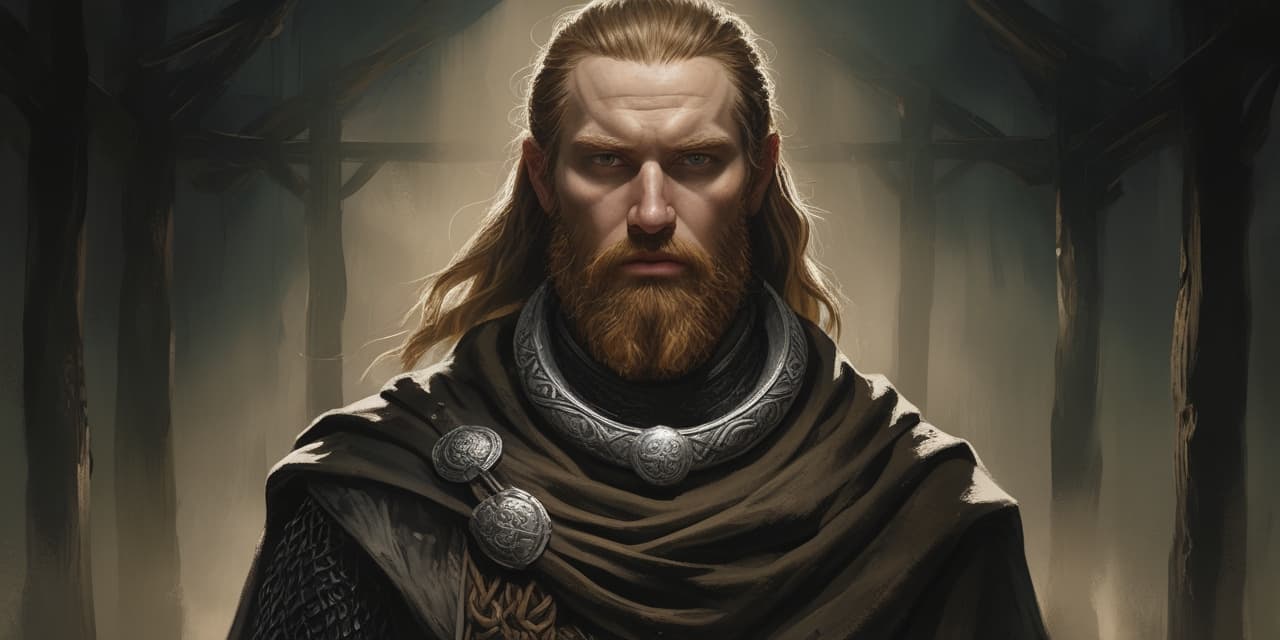
- Nuada — the tribe's first king, later renamed Nuada Airgetlám, "of the Silver Hand," after losing and regaining a hand
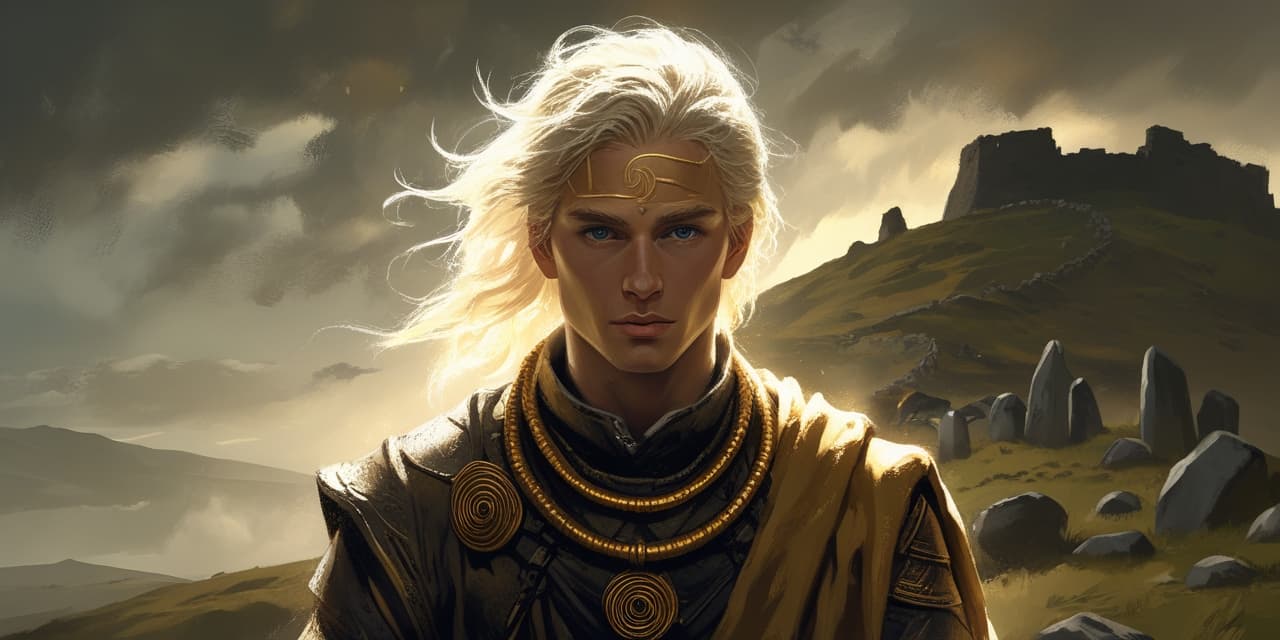
- Lugh — the many-skilled young god of light and craftsmanship who led the tribe to victory over the Fomorians
- Brigid — goddess of poetry, healing, and smithcraft, daughter of the Dagda
- The Morrigan — goddess of war, fate, and death, and the Dagda's consort
According to the Lebor Gabála Érenn, the Tuatha Dé Danann arrived from four legendary cities — Falias, Gorias, Findias, and Murias — each of which gave up one of the tribe's four magical treasures: the Stone of Fal, which roared under a rightful king; the Spear of Lugh, which guaranteed victory; the Sword of Nuada, which no enemy could escape once drawn; and the Dagda's inexhaustible Cauldron. This fourfold structure of sovereignty, war, kingship, and abundance runs through the whole pantheon's hierarchy, with Nuada and later Lugh holding kingship while the Dagda, Brigid, and the Morrigan embody the tribe's provision, craft, and battle-fate respectively, according to the summary of the tradition on Wikipedia.
The Tuatha Dé Danann's great rivals were the Fomorians, a chaotic, often monstrous race associated with the sea and misfortune — though the two peoples were not always at war; the Dagda's foster-son Brigid's own family ties illustrate how thoroughly the lines blurred, since the half-Fomorian king Bres briefly ruled the Tuatha Dé Danann before his tyranny provoked their revolt. After their eventual defeat by the mortal Milesians, tradition holds that the Tuatha Dé Danann did not vanish but withdrew into the sídhe, the hollow hills and burial mounds of Ireland, becoming the aos sí — a transformation that ties this pantheon directly into the wider fabric of Celtic mythology and later Irish fairy lore.