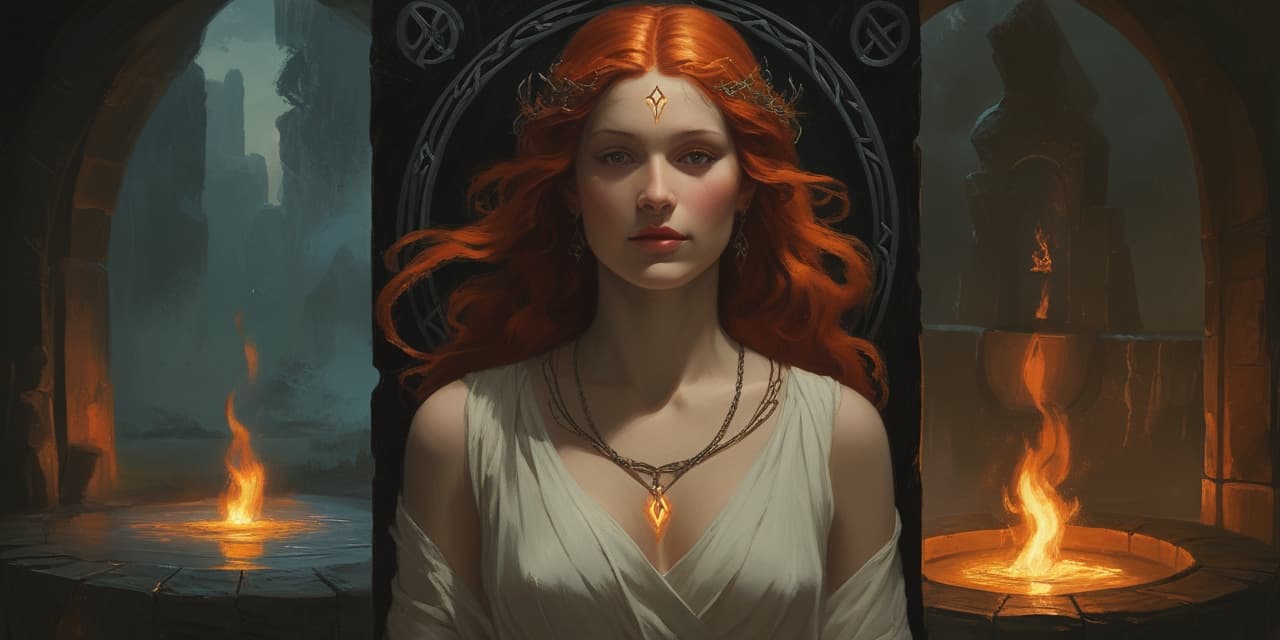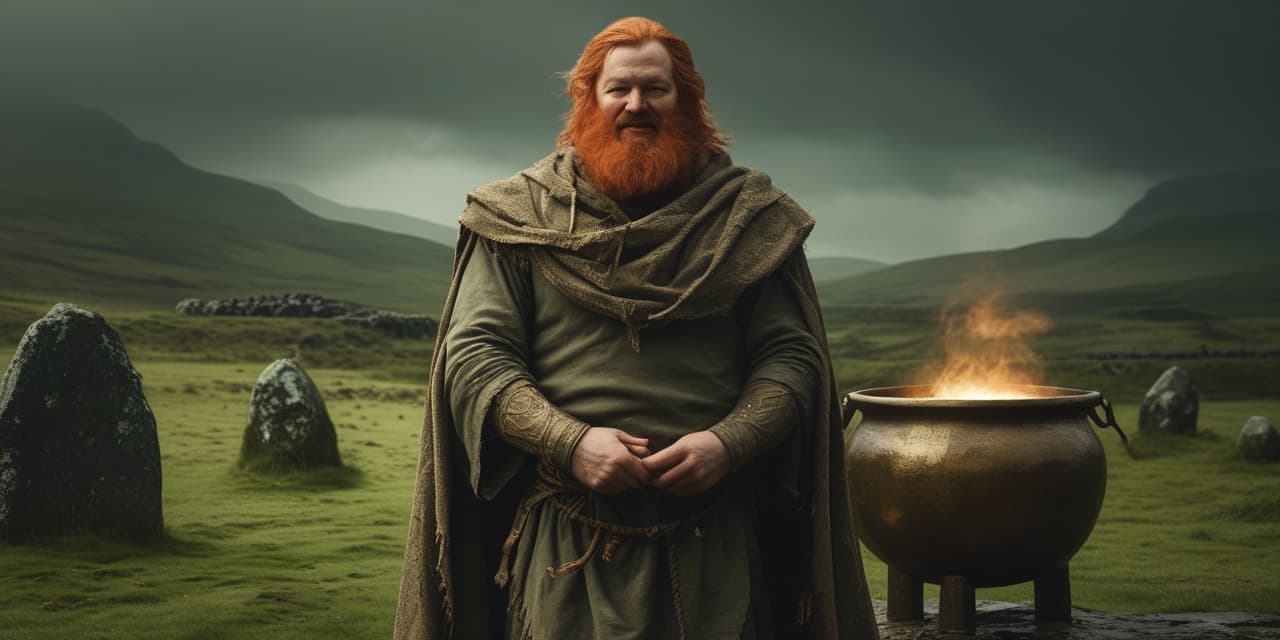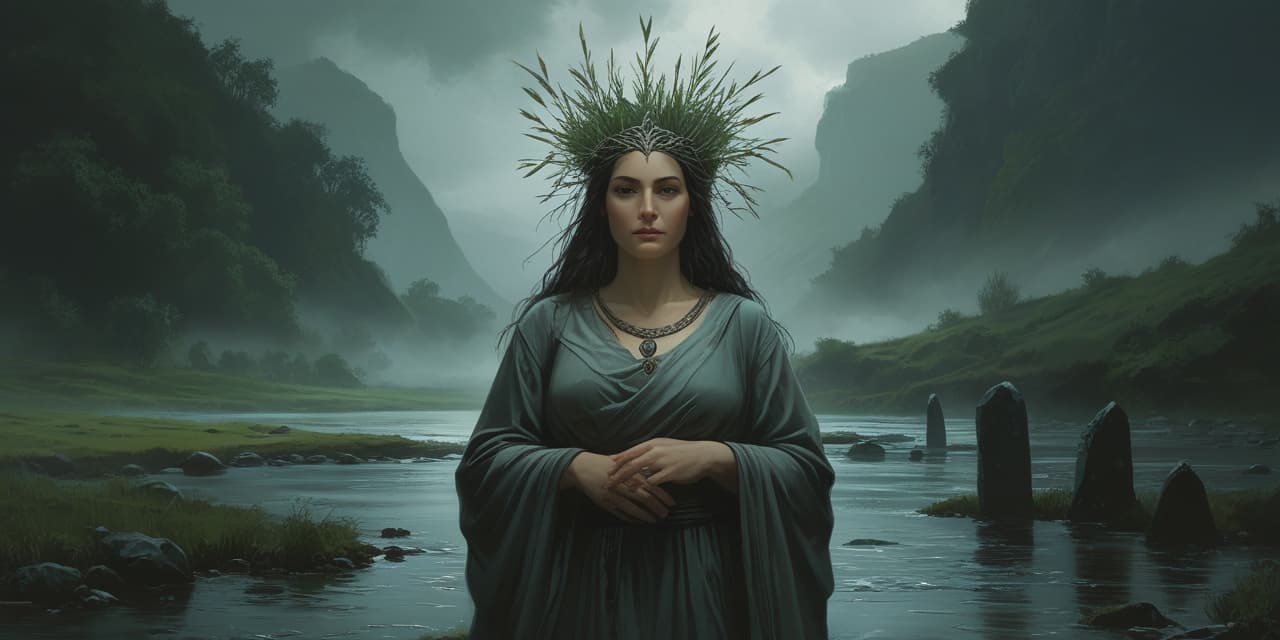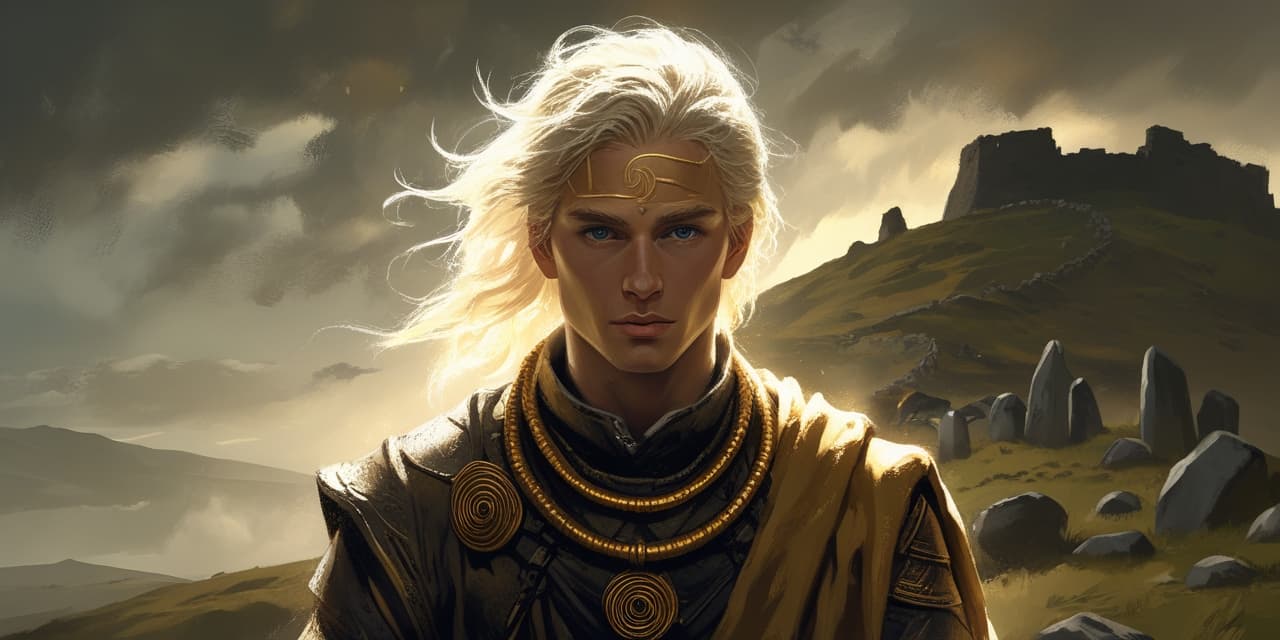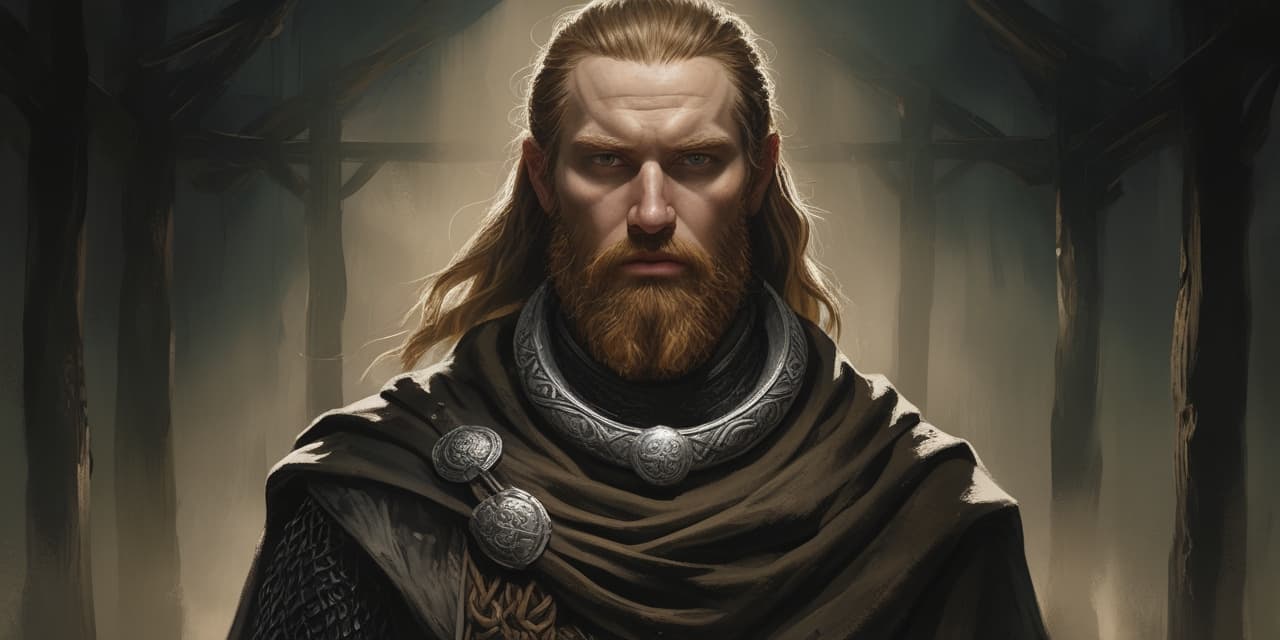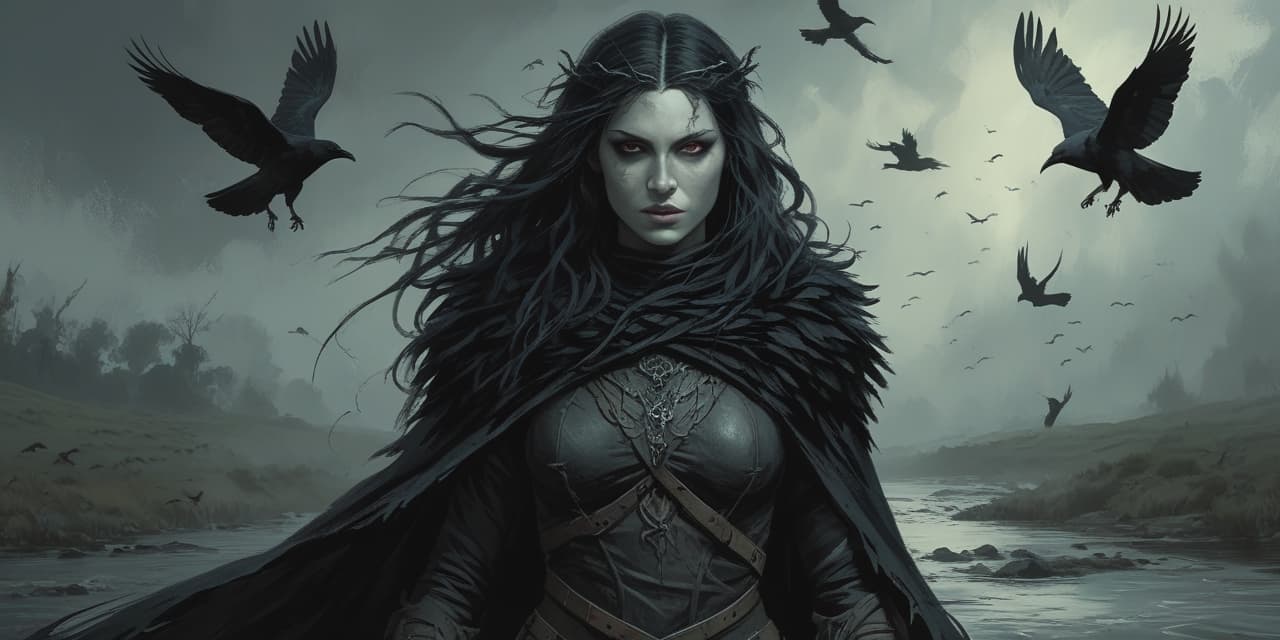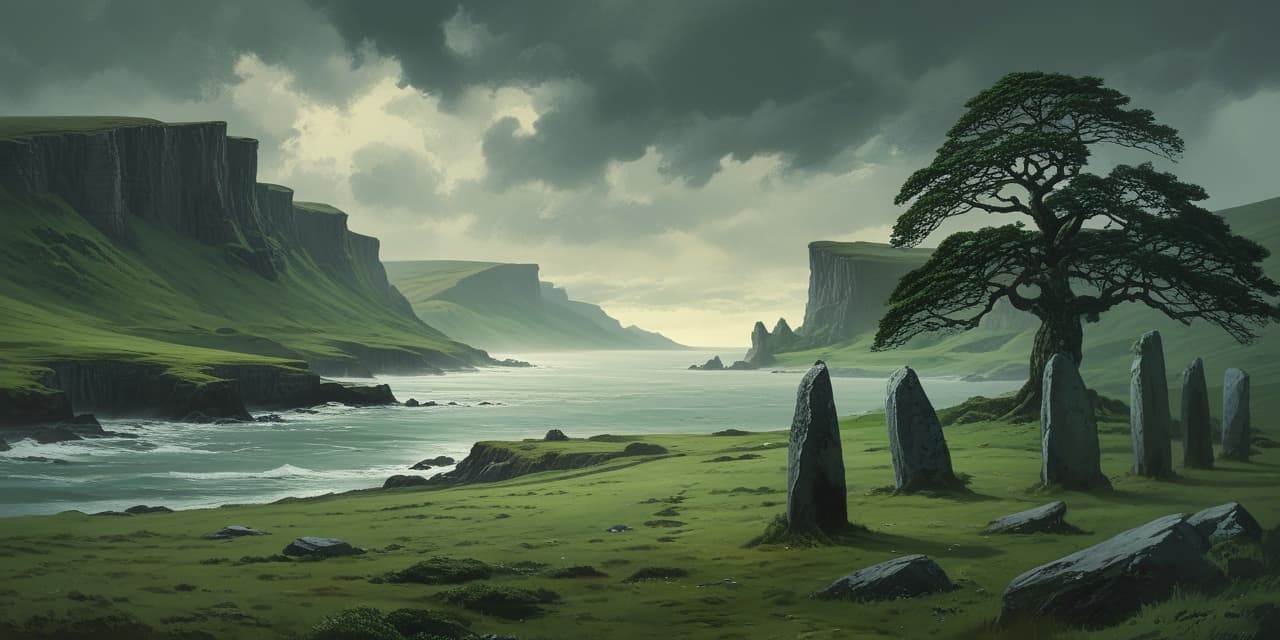
Celtic mythology, as preserved in Irish tradition, centers on the Tuatha Dé Danann — a supernatural race descended from the mother goddess Danu. They arrived in Ireland wrapped in mist, bringing four magical treasures and mastery over druidry, smithcraft, and poetry.
At their head stood the Dagda, the "good god" whose club could kill and revive, and Nuada of the Silver Hand, their first king. Warriors like the radiant Lugh and fearsome goddesses such as the Morrigan shaped the fate of battles against the monstrous Fomorians.
When later peoples conquered Ireland, the Tuatha Dé Danann were said to retreat into the hollow hills, becoming the aos sí — the fairy folk of Irish legend.
Almost everything known about this pantheon comes from medieval manuscripts written centuries after the pagan period ended. The Lebor Gabála Érenn ("The Book of the Taking of Ireland"), compiled by Christian monks around the 11th century from older oral and written sources, is the primary account of successive waves of settlers — ending with the Tuatha Dé Danann and their eventual defeat by the Milesians, the ancestors of the Irish people. A separate pair of texts, the Cath Maige Tuired ("The Battle of Mag Tuired"), narrate the tribe's two defining wars in far more detail: their conquest of the native Fir Bolg and their later struggle against the monstrous Fomorians. Because Christian scribes were the ones preserving this material, the old gods are frequently "euhemerized" — recast as historical kings, druids, and heroes rather than acknowledged deities — a literary compromise that let pre-Christian myth survive at all.
The Tuatha Dé Danann's stories sit alongside — and sometimes overlap with — Ireland's other great mythological cycles, including the Ulster Cycle's saga of Cú Chulainn and the cattle-raid epic Táin Bó Cúailnge, in which the Morrigan plays a pivotal role. Their legacy endures well beyond the manuscripts: festivals tied to the old gods, such as Imbolc, Beltane, Lughnasadh, and Samhain, are still marked in Ireland and by modern pagan communities, and the 19th- and 20th-century Celtic Revival — championed by writers like W. B. Yeats — drew heavily on the Tuatha Dé Danann to reimagine Irish national identity through myth.
Common Questions
What is the difference between Celtic and Irish mythology?
"Celtic mythology" covers the shared traditions of Celtic-speaking peoples across Ireland, Britain, and continental Europe, but by far the richest surviving body of myth is Irish, preserved in medieval manuscripts — which is why the Tuatha Dé Danann dominate the tradition as it's known today.
What is the main source for the Tuatha Dé Danann myths?
The Lebor Gabála Érenn and the two Cath Maige Tuired texts are the principal medieval sources, supplemented by later cycles like the Ulster Cycle and Fenian Cycle.
Are the Tuatha Dé Danann still part of Irish folklore today?
Yes — tradition holds that they withdrew into the hollow hills, or sídhe, to become the aos sí, the fairy folk who remain a fixture of Irish folklore, place-names, and popular belief.