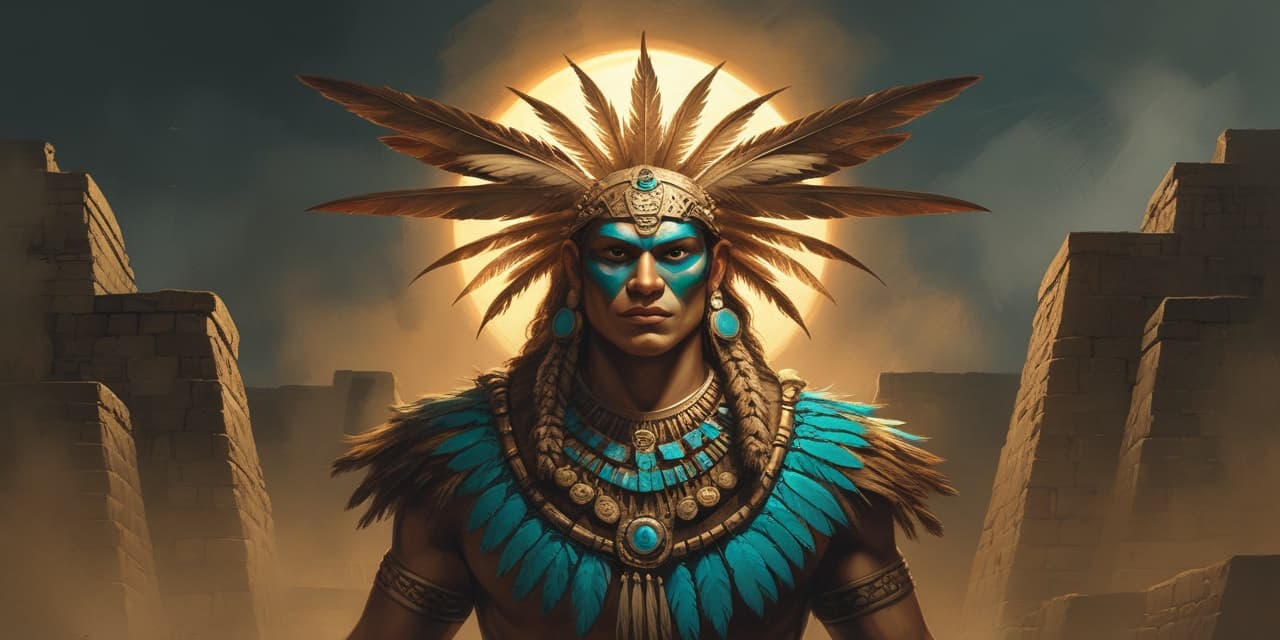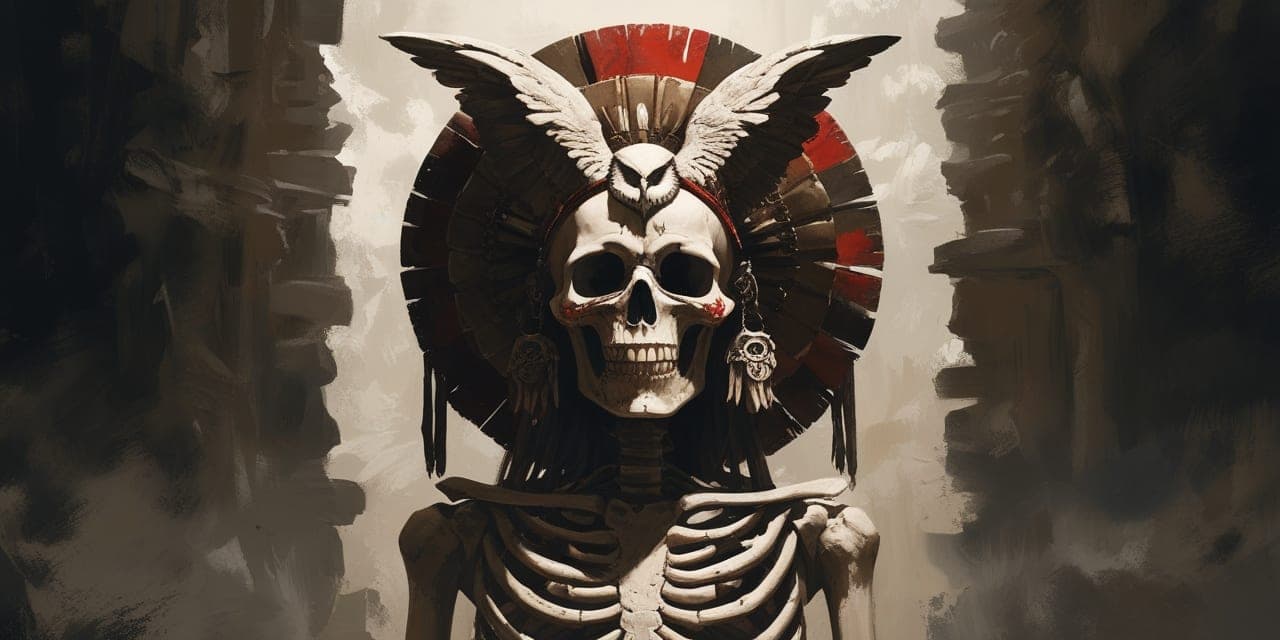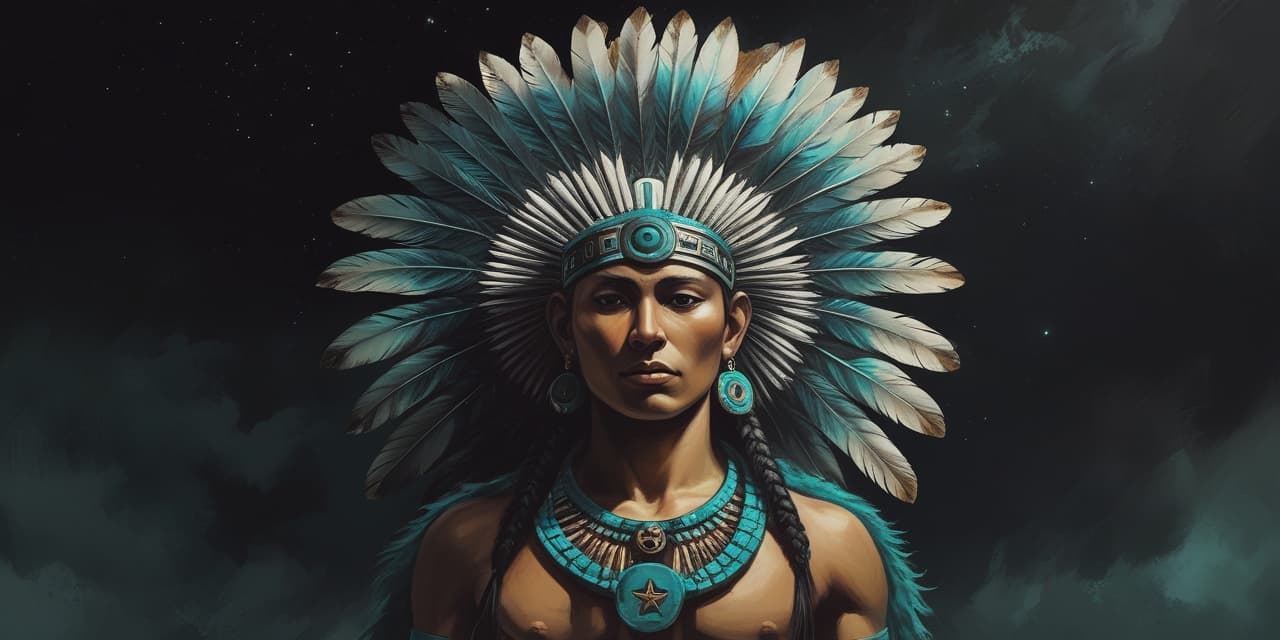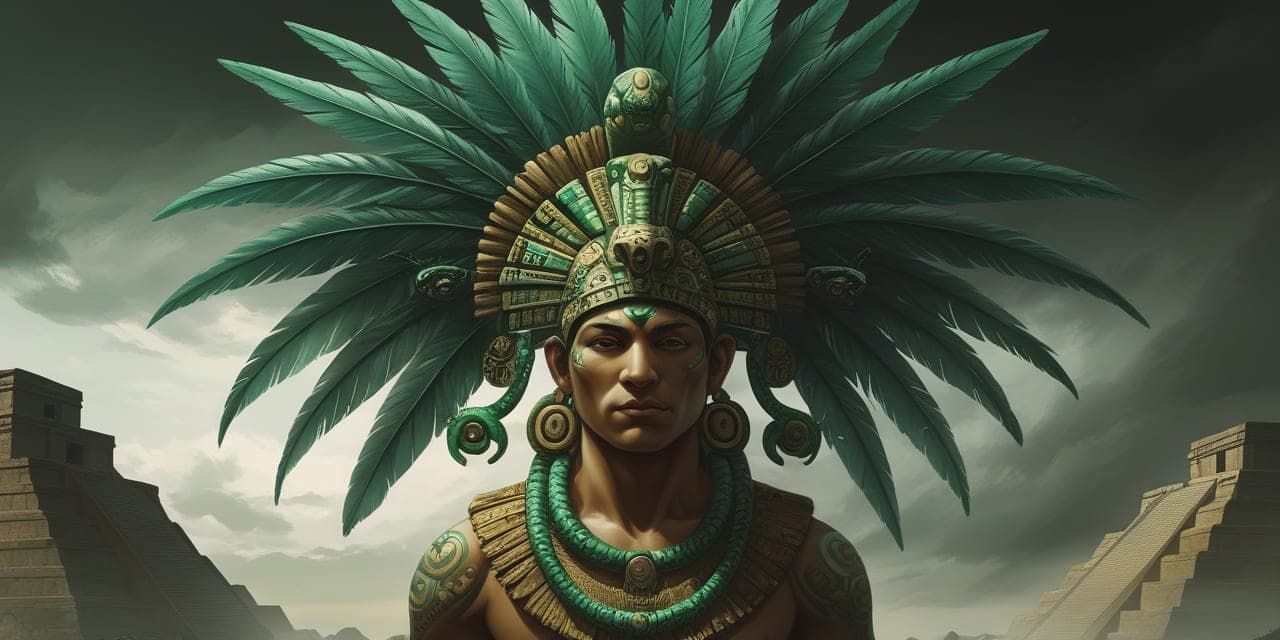
Aztec mythology describes a fragile universe sustained by sacrifice. From the dual creator Ometeotl sprang the gods who built and destroyed four earlier worlds before the present "Fifth Sun." The full company of deities is gathered in the Aztec Pantheon.
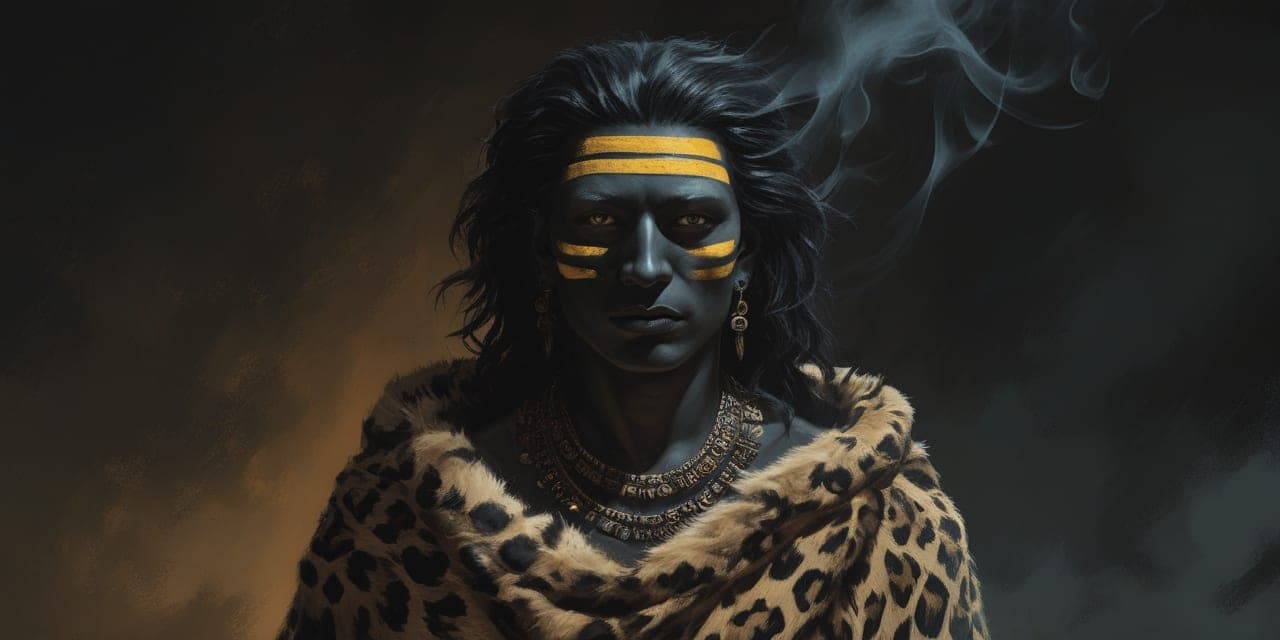
At the heart of the myths stand two rival brothers: Quetzalcoatl, the feathered serpent of wind and wisdom, and Tezcatlipoca, the smoking mirror of night and sorcery. Their endless contest shapes each age of the world.
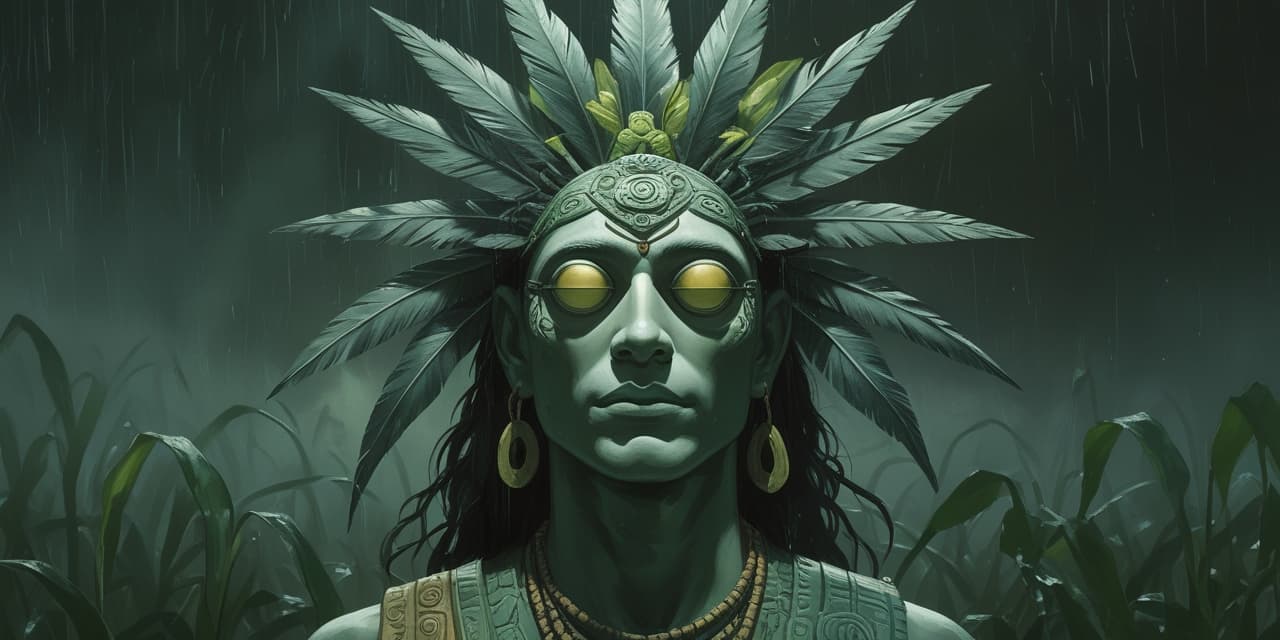
Other gods rule the necessities of life and afterlife: the war-sun Huitzilopochtli, the rain-bringer Tlaloc, and Mictlantecuhtli, lord of the underworld of Mictlan.
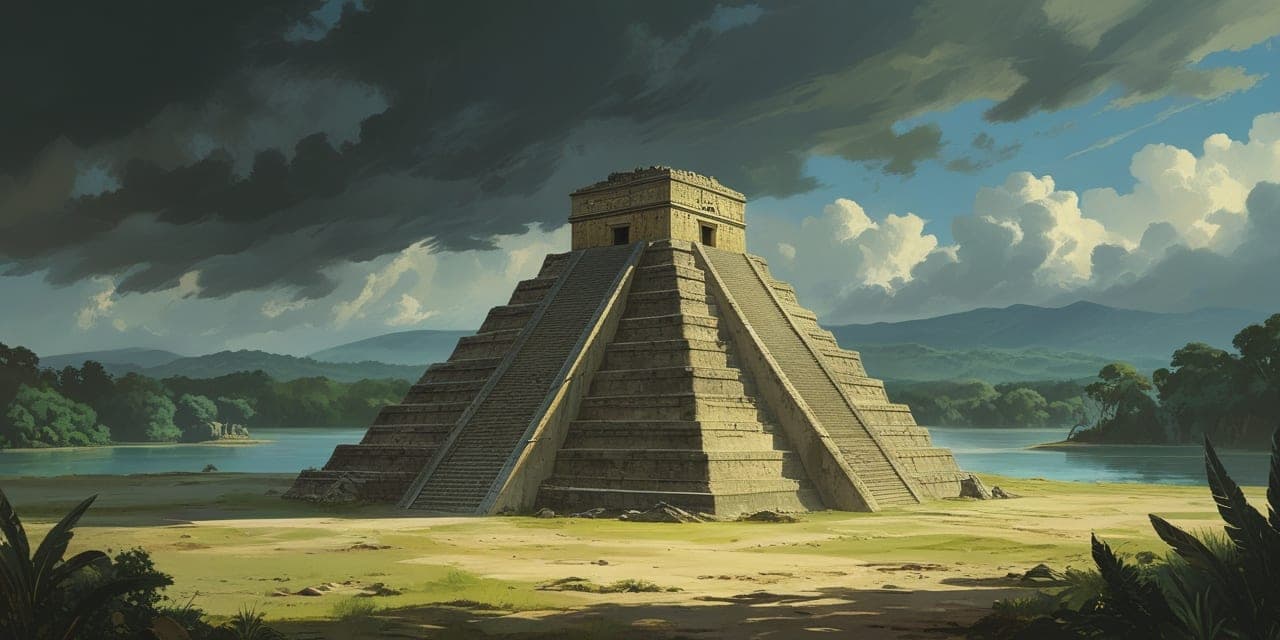
Much of what is known about this pantheon comes from a handful of surviving pictorial codices — screenfold books painted before and shortly after the Spanish conquest — and from the accounts of Spanish friars like Bernardino de Sahagún, who interviewed Nahua elders and compiled their testimony into the Florentine Codex, still one of the richest single sources on Aztec religion. Archaeology adds a second, physical layer of evidence: excavations of the Templo Mayor, the twin-shrined pyramid at the center of Tenochtitlan dedicated jointly to Huitzilopochtli and Tlaloc, have recovered thousands of buried offerings, sculpted stone monuments, and the remains of sacrificial ritual described in the written sources.
Religious life in the Aztec world was inseparable from civic life. Priests kept a ritual calendar of eighteen twenty-day months, each dedicated to particular gods and marked by its own ceremonies, processions, and offerings; the New Fire Ceremony, held only once every 52 years when the solar and ritual calendars realigned, renewed the cosmos itself by kindling a new flame on a sacrificed victim's chest. Human sacrifice, however unsettling to outside observers then and now, was understood by the Mexica as reciprocal debt-payment to gods who had themselves bled to set the sun in motion — a logic explored at length in Huitzilopochtli's own myth of the war-sun's birth. Despite the Spanish conquest and centuries of suppression, this mythology's imagery — the feathered serpent, the eagle on the cactus, the calendar stone — remains a living part of Mexican national identity and popular art today.
Common Questions
What are the main sources for Aztec mythology?
The chief sources are pictorial codices painted by Nahua scribes and the ethnographic work of Spanish friars — above all Bernardino de Sahagún's Florentine Codex — supplemented by ongoing archaeological excavation of sites like the Templo Mayor in Mexico City.
Who are the most important gods in Aztec mythology?
The dual creator Ometeotl stands at the source of the pantheon, while Quetzalcoatl, Tezcatlipoca, and Huitzilopochtli drive most of the major myths — see the full lineup in the Aztec Pantheon.
Why was human sacrifice central to Aztec religion?
The Mexica believed the gods had sacrificed themselves to create the sun and set it moving, so humans owed a reciprocal debt of blood to keep the cosmos — and the sun itself — from collapsing, a duty especially tied to the war god Huitzilopochtli.