Chinese mythology has no single scripture the way Norse myth has the Eddas — it survives instead in a patchwork of sources: the philosophical Classic of Mountains and Seas (Shan Hai Jing), Han-dynasty histories, Daoist and Buddhist texts, and centuries of oral folklore later gathered into vernacular novels. Its earliest layer belongs to the Three Sovereigns and Five Emperors, legendary rulers credited with founding agriculture, medicine, and writing, chief among them the Three Sovereigns.
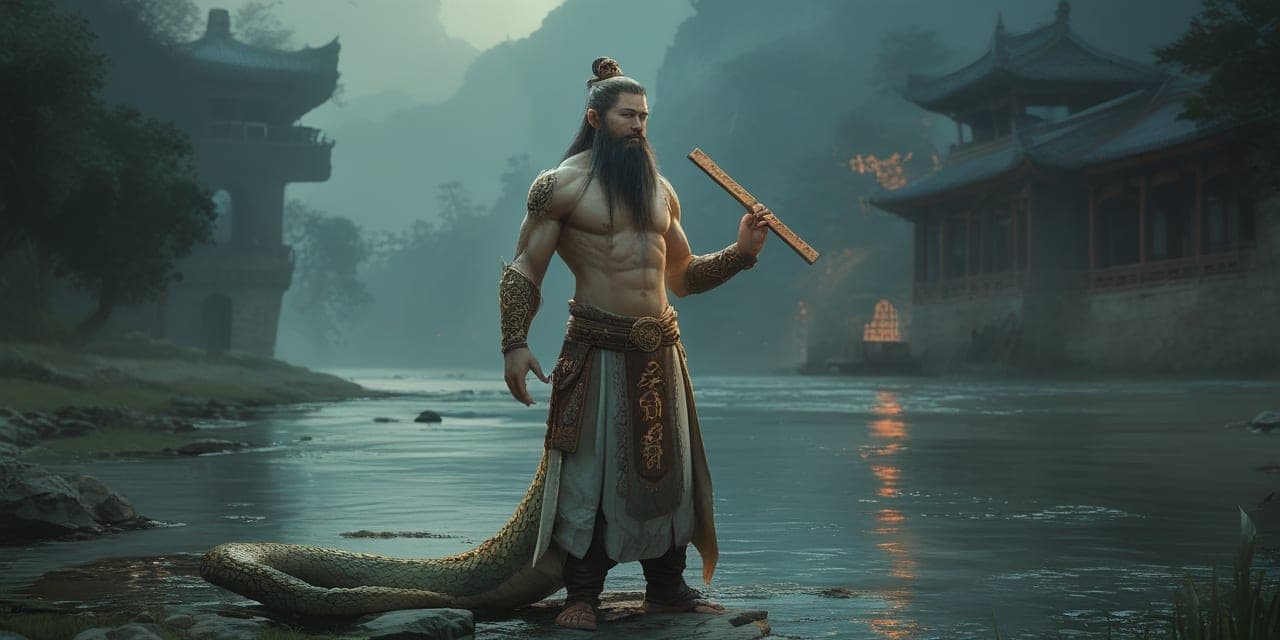
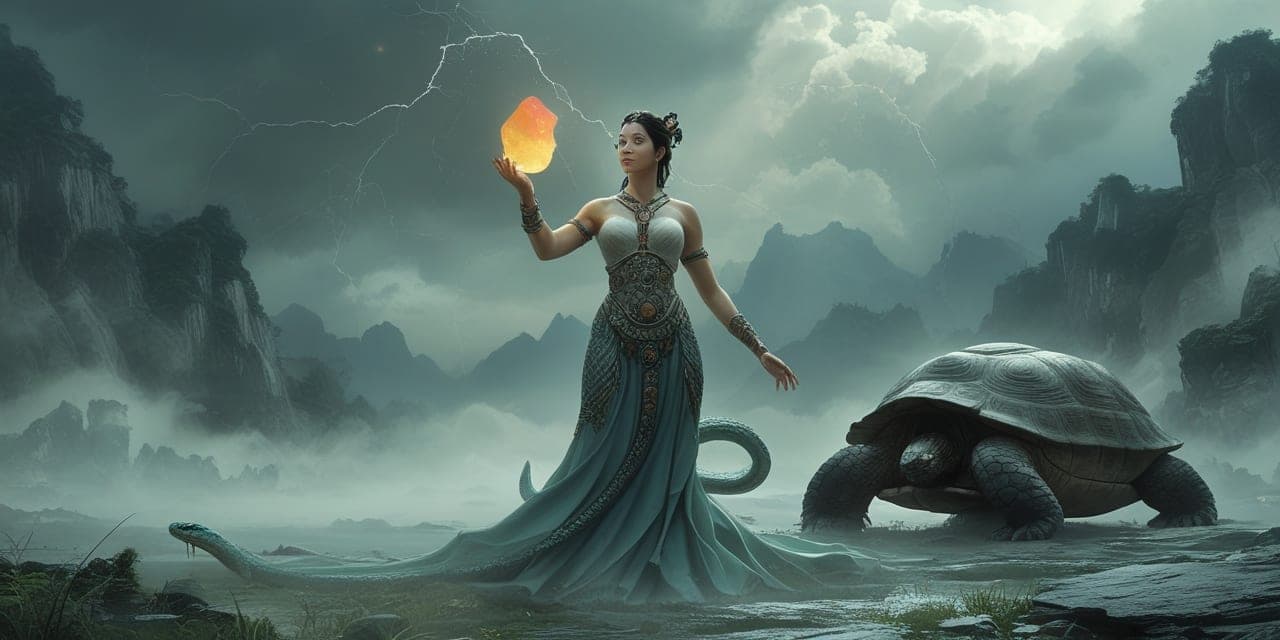
At the center of the creation myths stand Nuwa, who molds humanity from yellow clay and patches a shattered sky, and her brother-consort Fuxi, credited with writing, fishing nets, and the Eight Trigrams that underlie the I Ching.
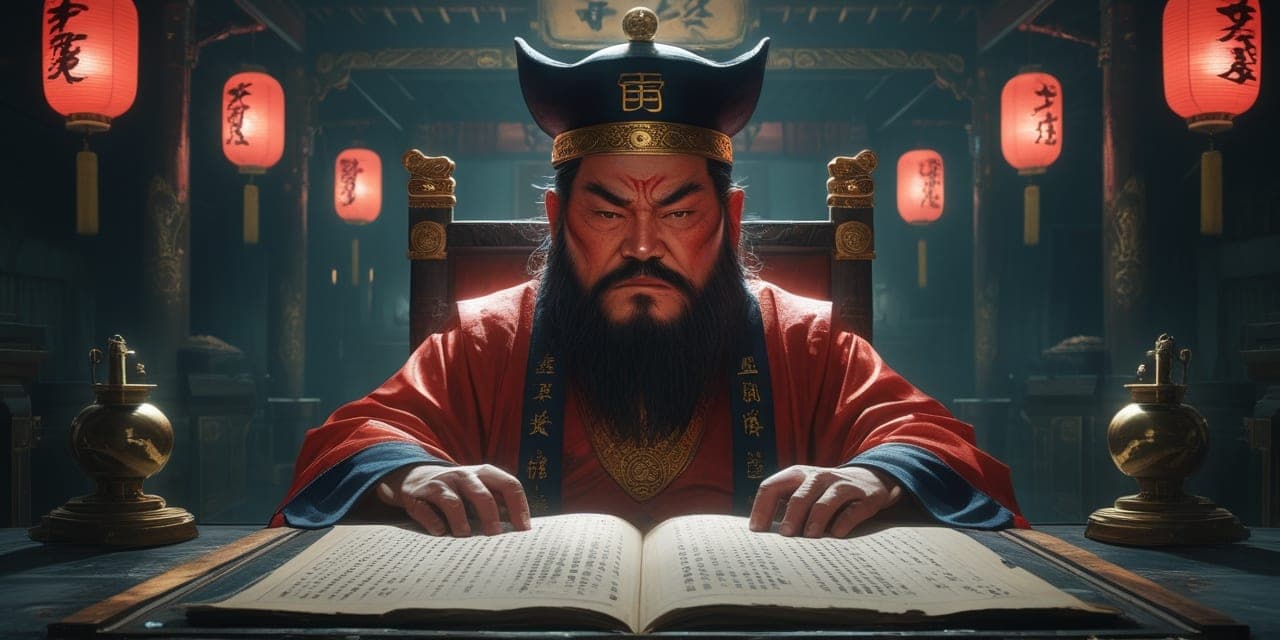
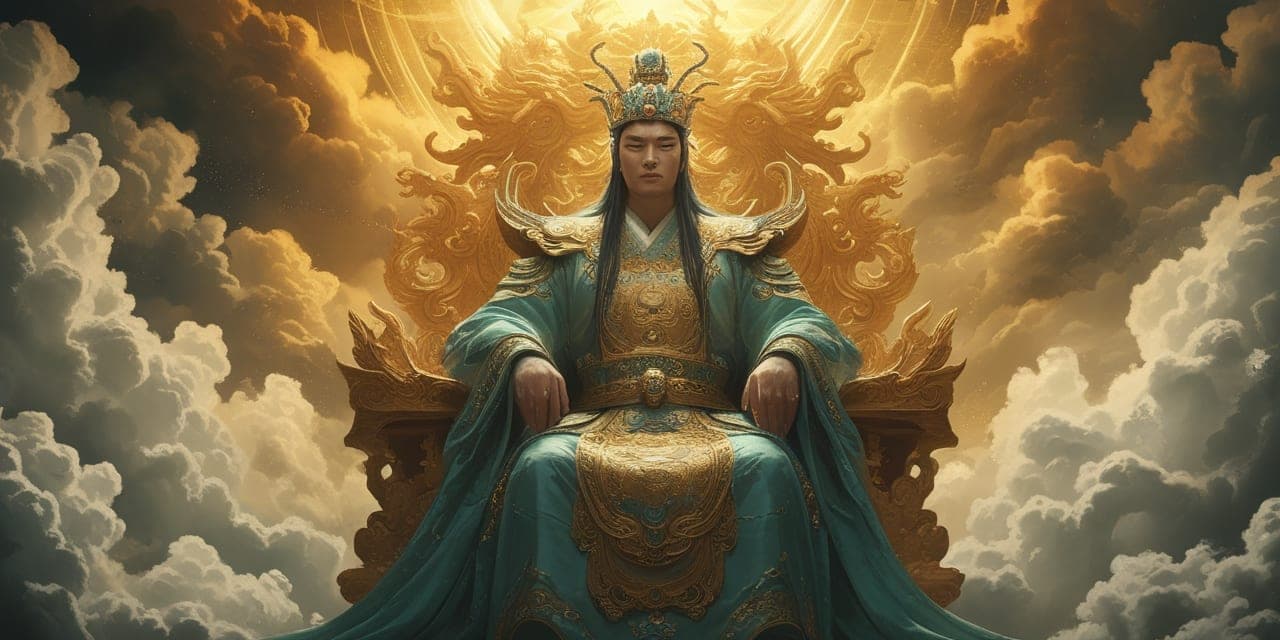
A later, more administrative cosmology grew up alongside these founding myths: Heaven reorganized as a celestial bureaucracy under the Jade Emperor, mirroring the earthly imperial court right down to department heads and record books — a distinctly Chinese way of imagining the divine.
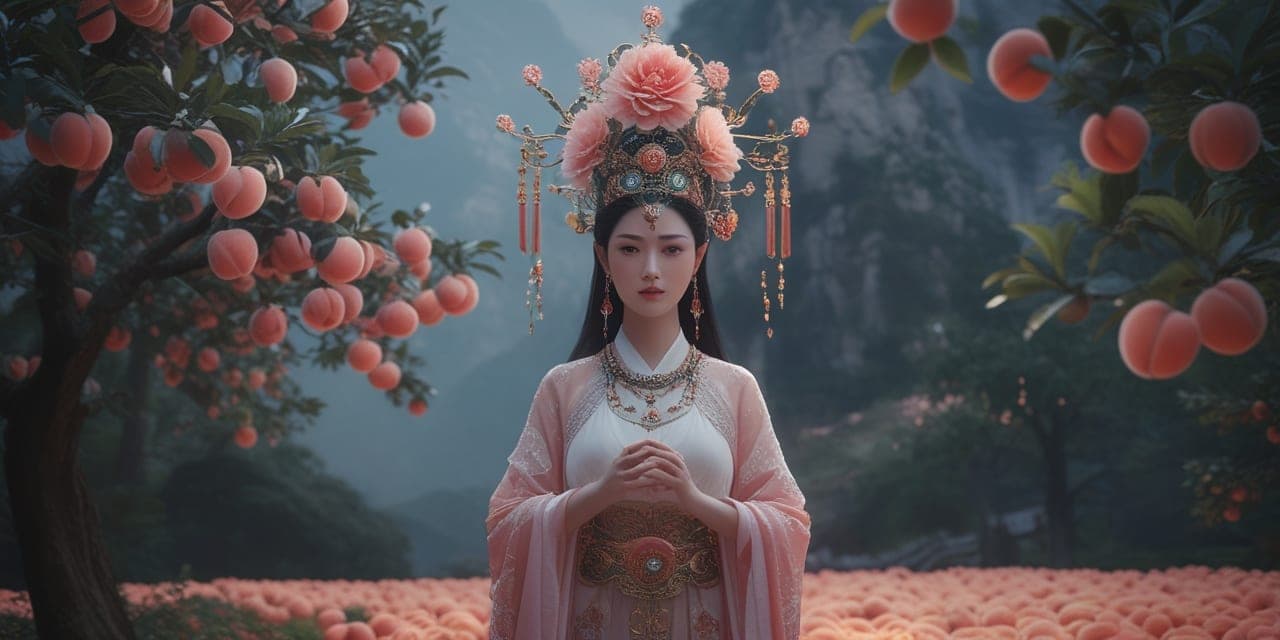
Folk religion, Daoism, and Buddhism braided together over centuries rather than replacing one another, so figures like Xiwangmu, the Queen Mother of the West, and Yan Wang, king of the underworld, sit comfortably alongside older nature deities in the same living tradition.
Unlike the Greek or Norse corpora, most of this mythology was never fixed into one authoritative epic. Stories were recorded piecemeal by different dynasties, reinterpreted by successive religious movements, and popularized centuries later by novels like Journey to the West and Investiture of the Gods — meaning the "same" god can appear with different parentage, rank, or role depending on which text and which century you're reading (see the Britannica overview of Chinese mythology for a discussion of these overlapping traditions).
Common Questions
What are the Three Sovereigns and Five Emperors?
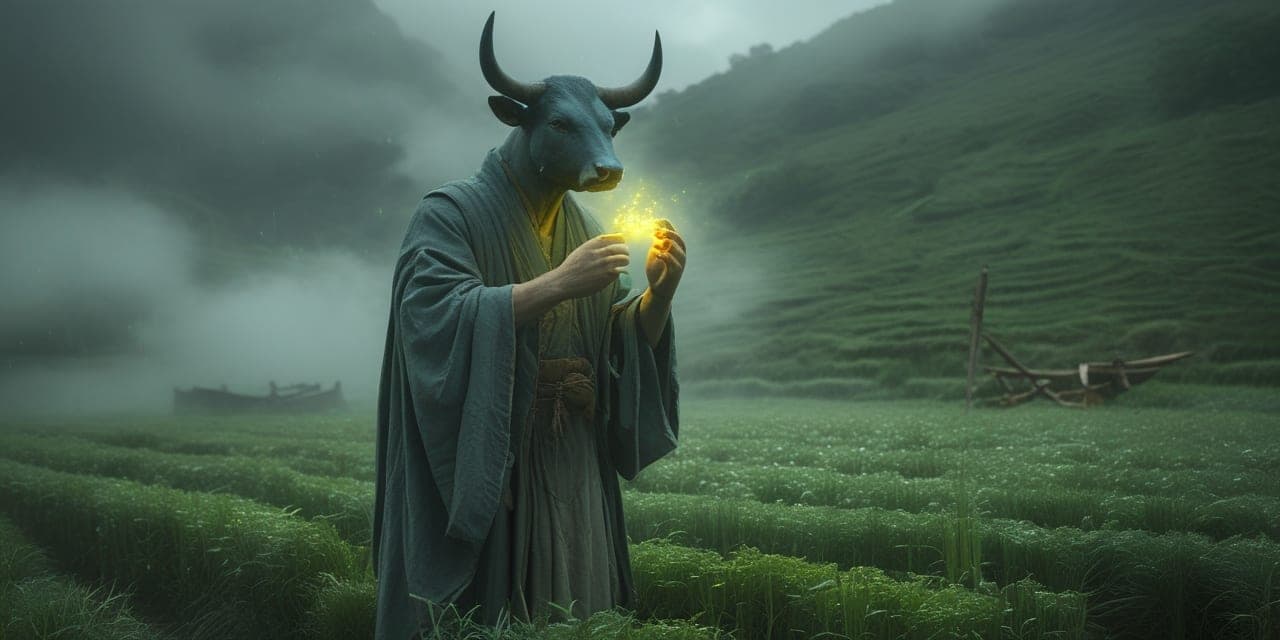
They're a legendary founding dynasty of god-kings credited with civilization's first technologies — agriculture, medicine, writing, fire. Fuxi, Nuwa, and Shennong are the most commonly cited Three Sovereigns, though ancient sources don't fully agree on the list.
Who rules Heaven in Chinese mythology?
The Jade Emperor presides over a celestial bureaucracy in later Daoist and folk tradition, though older texts describe Heaven's authority quite differently — there is no single, universally agreed-upon ruler across all periods.
Is Chinese mythology the same as Chinese folk religion?
They overlap heavily but aren't identical. Folk religion is the living devotional practice — temples, festivals, ancestor worship — while mythology is the body of stories, some of which (like Nuwa's creation myth) predate organized religion and others of which (like the Jade Emperor's court) were shaped by later Daoist theology.