Japanese mythology centers on the kami, countless sacred spirits dwelling in mountains, rivers, storms, and the heavens. The earliest narratives, recorded in the Kojiki and Nihon Shoki, open with the primordial couple Izanagi and Izanami, who churn the ocean to form the islands of Japan.
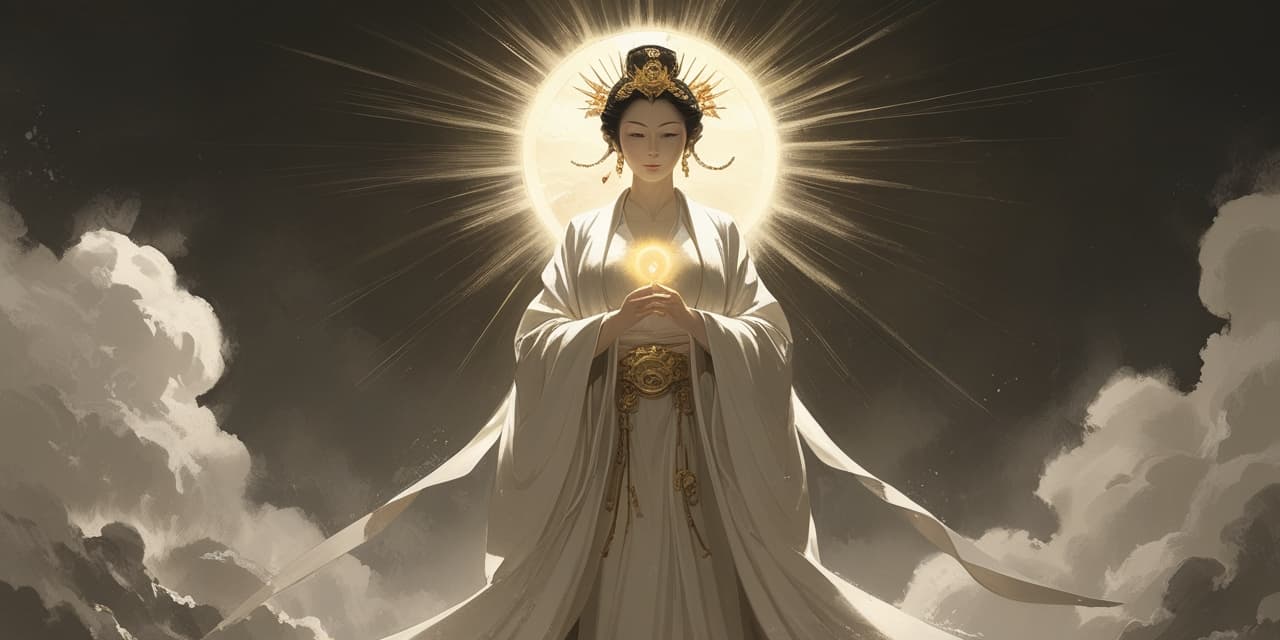
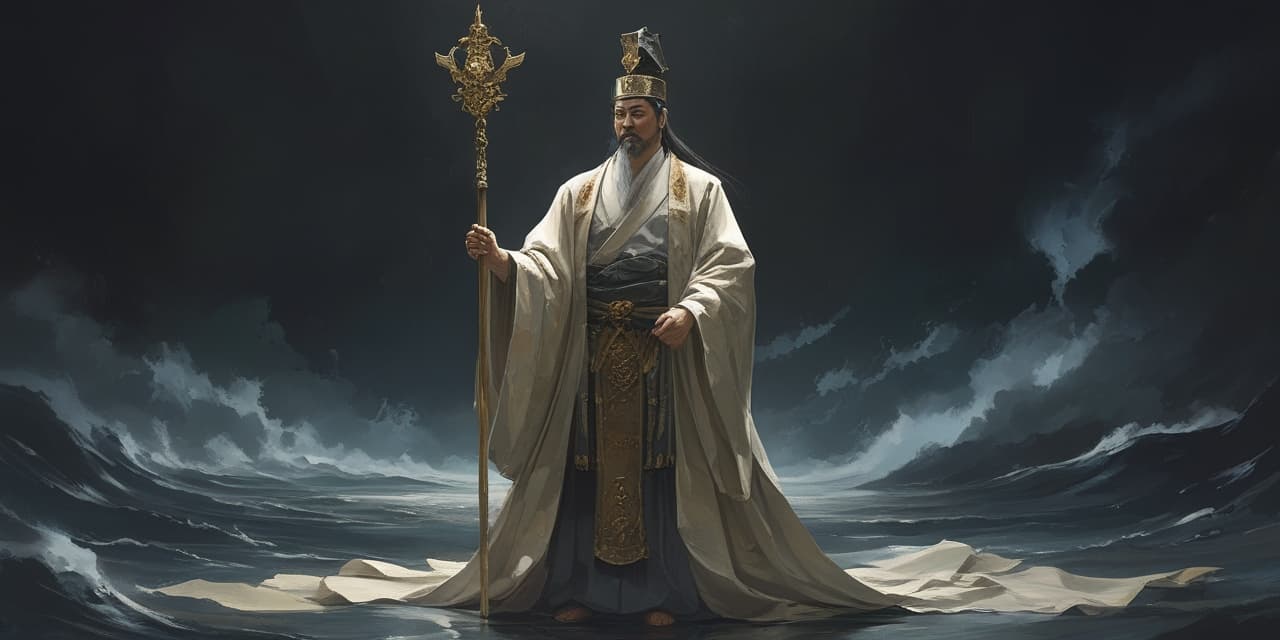
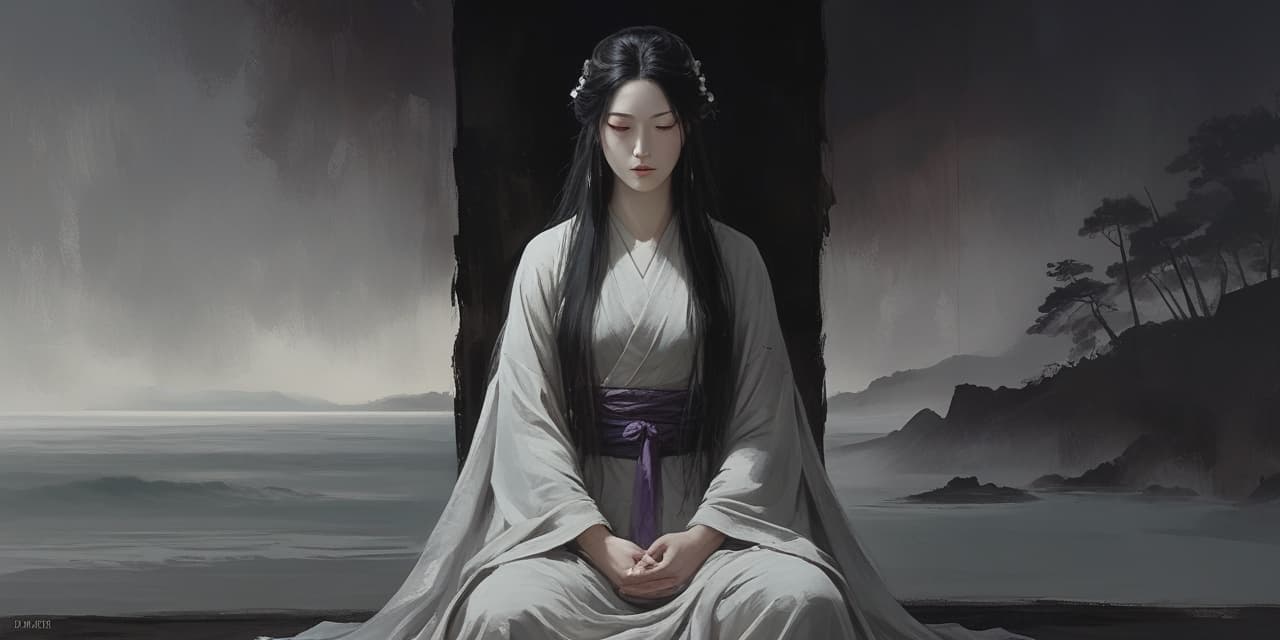
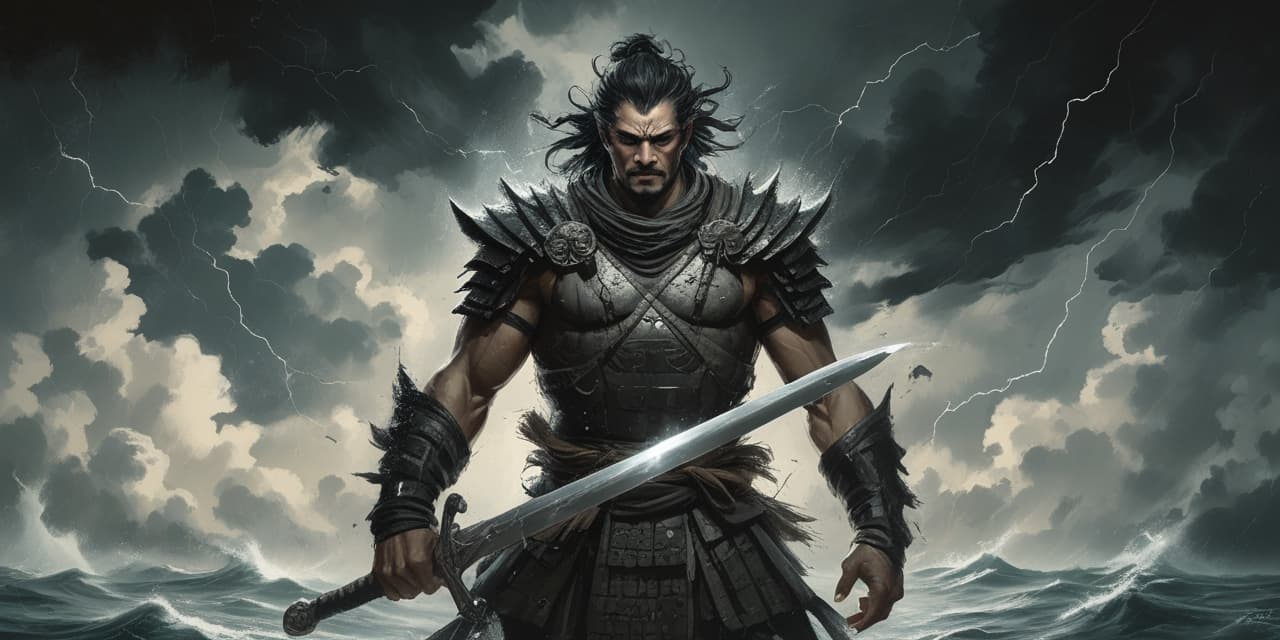
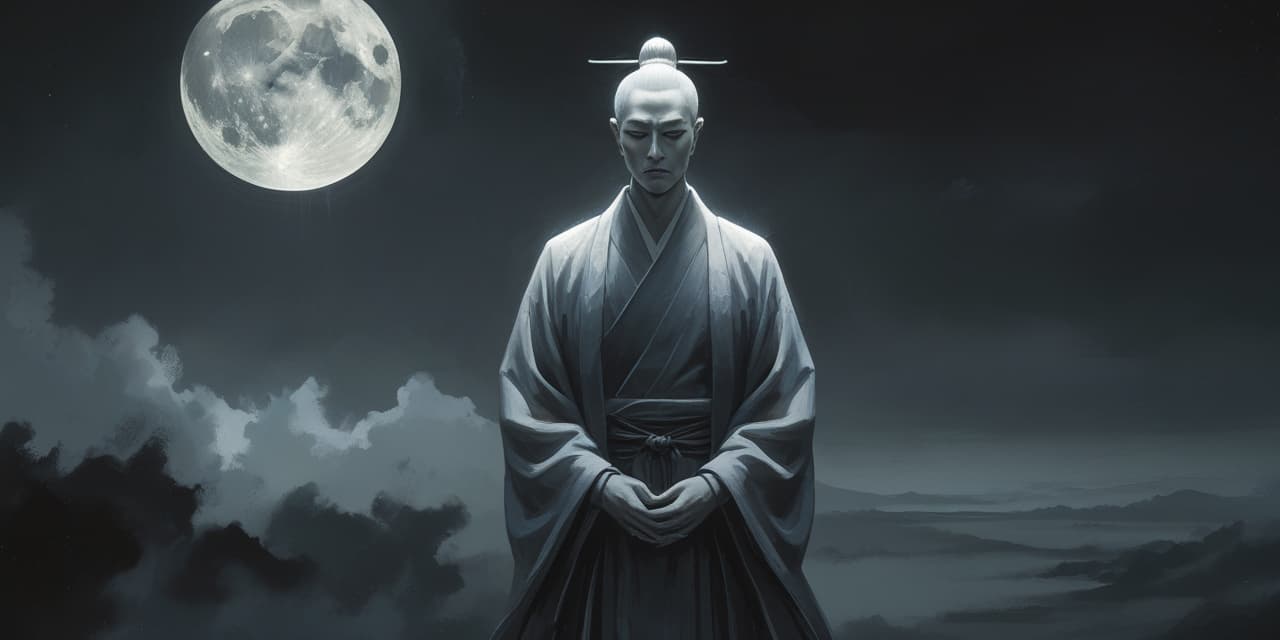
From Izanagi's purification rite spring three great children: the sun goddess Amaterasu, the moon kami Tsukuyomi, and the tempestuous storm god Susanoo. Their rivalries drive cycles of light and darkness, exile and return.
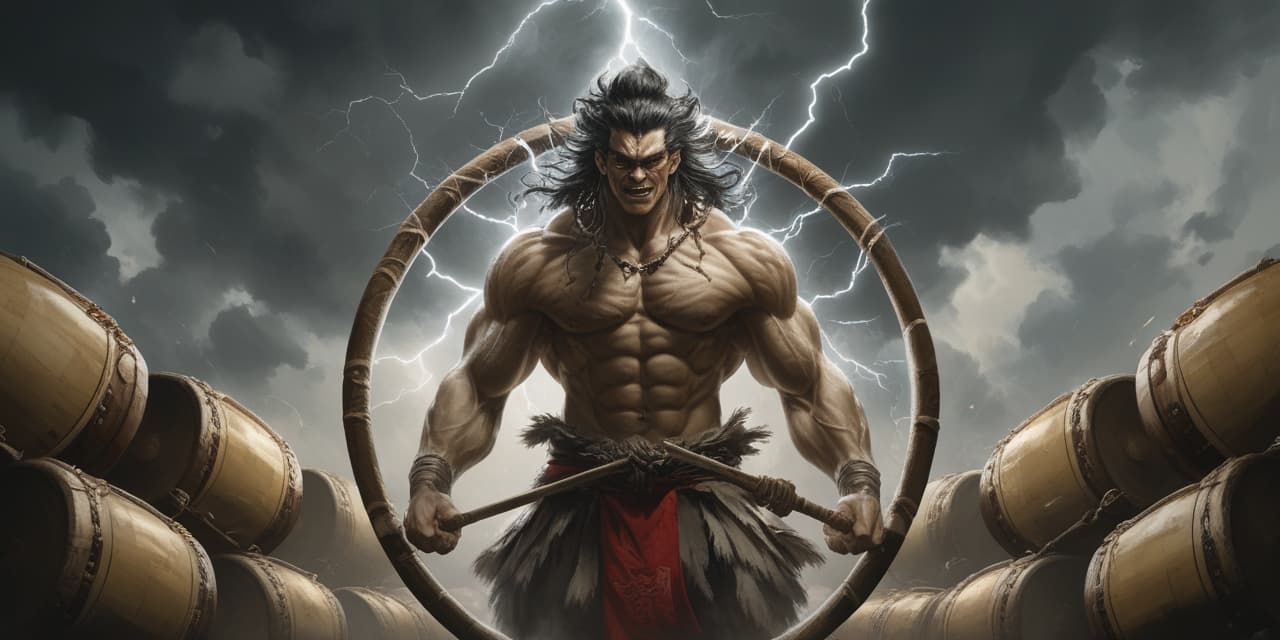
Beyond the creator line, fierce weather kami like the thunder god Raijin embody the raw forces revered and feared across the islands. Together these figures form the Kami, a living pantheon still honored at shrines throughout Japan today.
Almost everything known about this pantheon comes from two eighth-century court chronicles. The Kojiki ("Record of Ancient Matters"), compiled around 712 CE by the courtier Ō no Yasumaro from oral traditions, is the older and more mythologically detailed of the two. The Nihon Shoki ("Chronicles of Japan"), finished in 720 CE, covers similar ground in a more formal register aimed at a Chinese-literate court audience, and often preserves alternate versions of the same myths side by side — which is why episodes like Tsukuyomi's killing of the food goddess appear in the Kojiki with different characters in the leading roles.
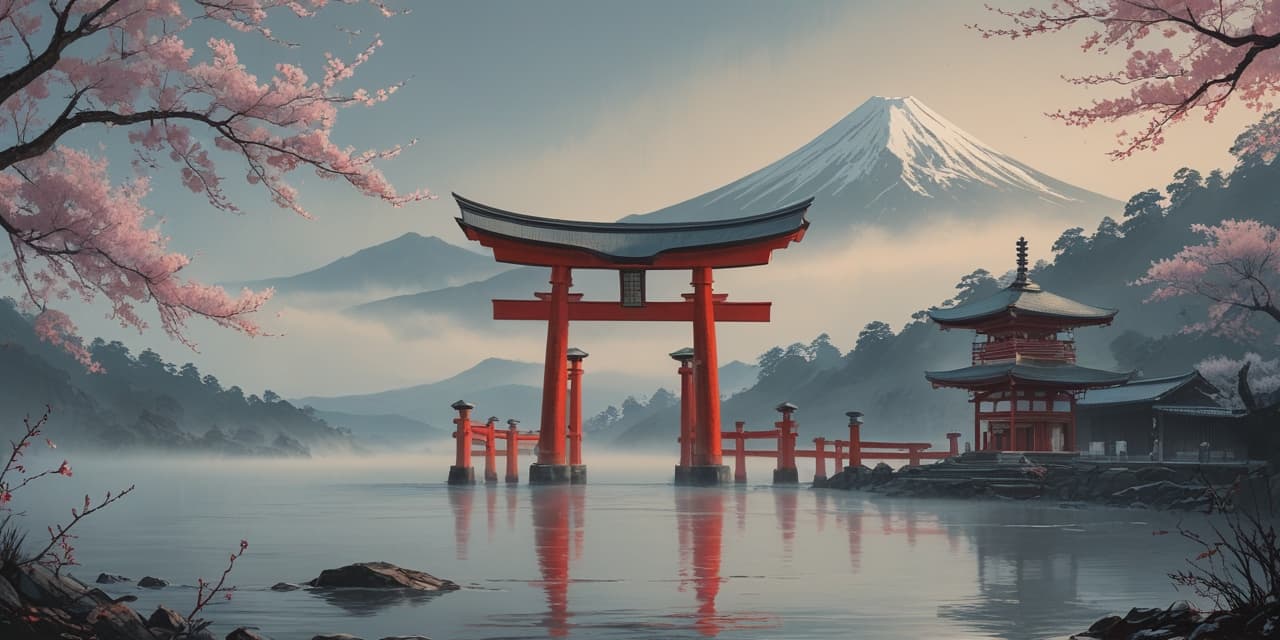
These myths are not simply archived history — they remain embedded in living Shinto practice. Torii gates mark the boundary of sacred ground at shrines across the country, purification rites echo Izanagi's river bath after fleeing Yomi, and seasonal matsuri festivals reenact or honor episodes from these very stories. The Ise Grand Shrine, dedicated to Amaterasu, is rebuilt anew every twenty years in a centuries-old ceremony, while the imperial regalia said to originate in these myths — the mirror, sword, and jewel — remain symbols of the throne to this day. The tradition's reach extends well beyond religion into Noh theater, ukiyo-e prints, and modern anime and manga, which continue to draw on figures like Susanoo and the Kami at large.
Common Questions
What are the Kojiki and Nihon Shoki?
They are Japan's two oldest surviving chronicles, compiled in 712 and 720 CE, and together they form the primary written sources for Shinto mythology, including the creation stories and the deeds of the kami.
What does "kami" mean?
Kami refers to the sacred spirits and deities of Shinto belief — a broad category that includes nature spirits, ancestors, and forces like storms or mountains, traditionally described as numbering in the "eight million."
How does Japanese mythology connect to the imperial family?
Japan's emperors are traditionally held to descend from the sun goddess Amaterasu through her grandson Ninigi, a lineage first recorded in the Kojiki and Nihon Shoki.